NASA Selects SpaceX to Launch StarBurst Gamma-Ray Detector
The small satellite mission will study neutron star mergers and short gamma-ray bursts, launching on a Falcon 9 rocket from Florida.
NASA announced it has selected SpaceX to provide launch services for its StarBurst mission, a small satellite designed to investigate neutron star mergers and the origins of short gamma-ray bursts, according to a NASA news release.
The StarBurst spacecraft is scheduled to launch aboard a Bandwagon rideshare mission on a SpaceX Falcon 9 rocket, NASA said. The launch will take place from Space Launch Complex 40 at Cape Canaveral Space Force Station in Florida, per the agency's announcement.
According to NASA, the mission's primary scientific goal is to study neutron star mergers, cosmic events in which two extremely dense stellar remnants collide, and to further understanding of the origins of short gamma-ray bursts, which are among the most energetic explosions observed in the universe.
NASA did not provide additional details in the release regarding the mission's launch date, cost, or specific instrumentation aboard the StarBurst satellite.
Sources
- NASA Awards Launch Services for StarBurst Gamma-Ray Detector — NASA Breaking News
EGazette summarizes reporting from multiple sources; follow the links for the originals.
Related articles
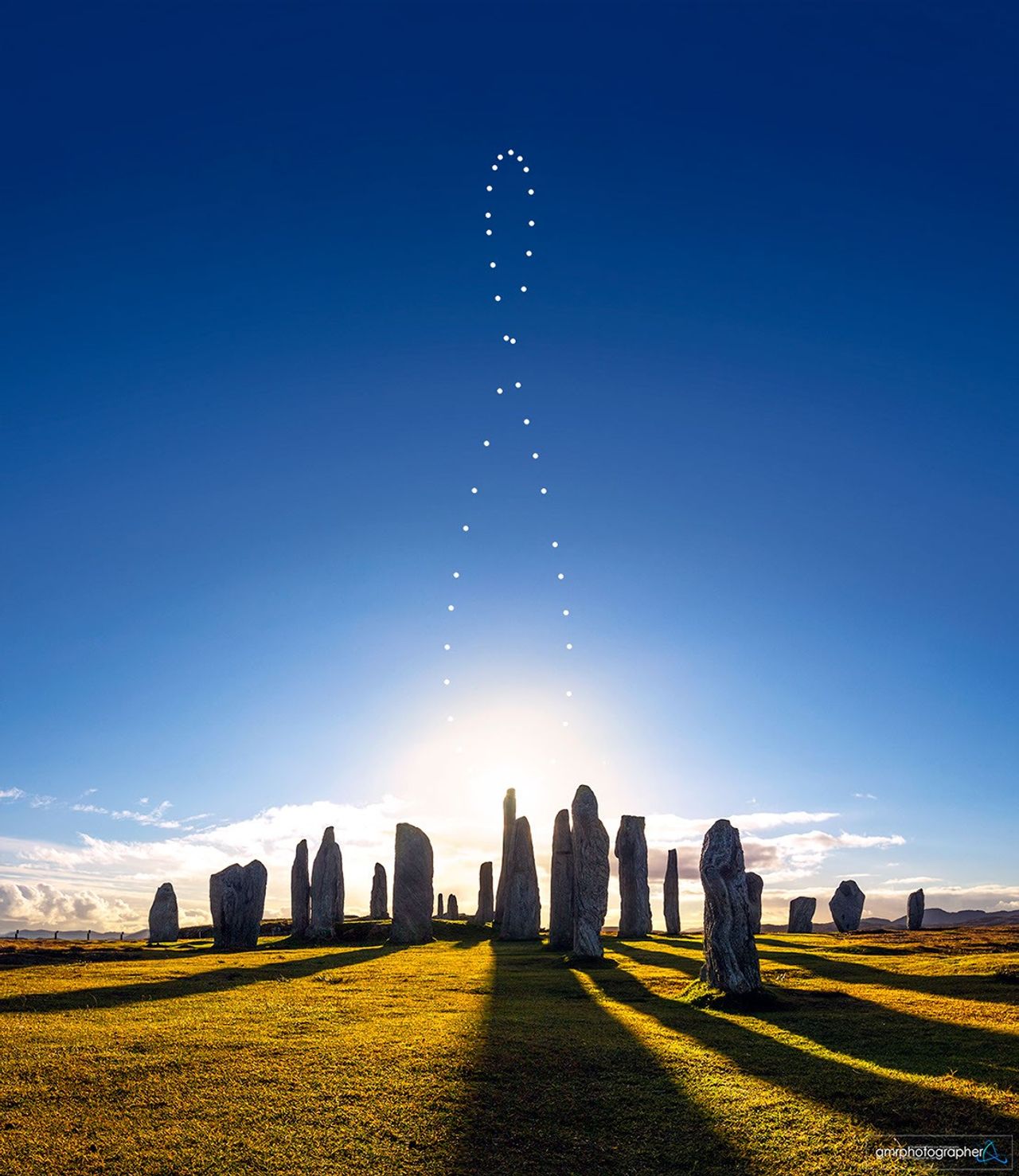
NASA's Astronomy Picture of the Day Features Analemma Over Scotland's Callanish Stones
The September 20, 2026 edition of NASA's long-running APOD series highlights a composite image showing the sun's yearly path above the ancient Callanish Stones.
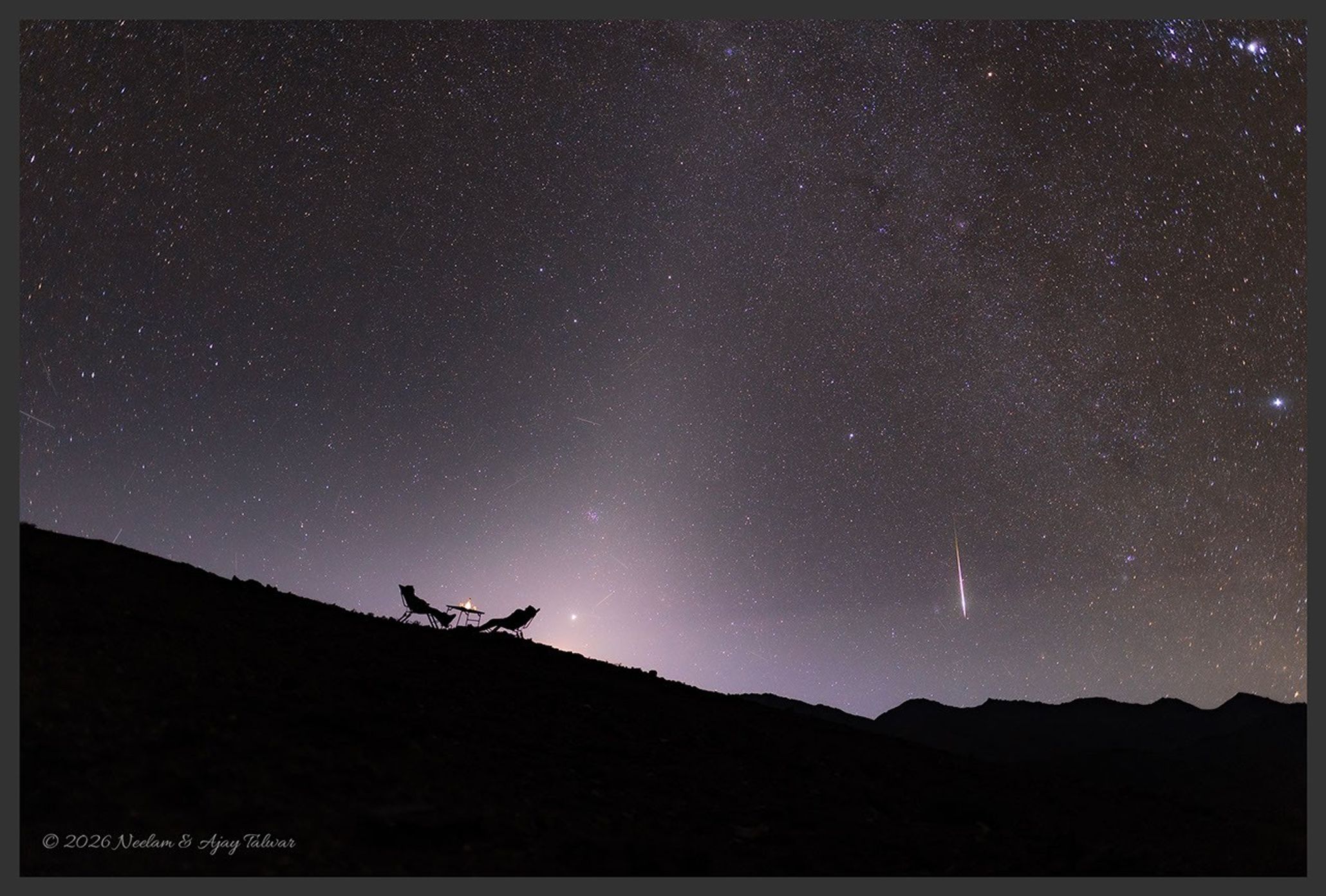
NASA’s Astronomy Picture of the Day to Feature “A Zodiacal Night” on September 19, 2026
The long-running NASA APOD series is set to showcase a night-sky image highlighting the zodiacal light, according to the program’s website.
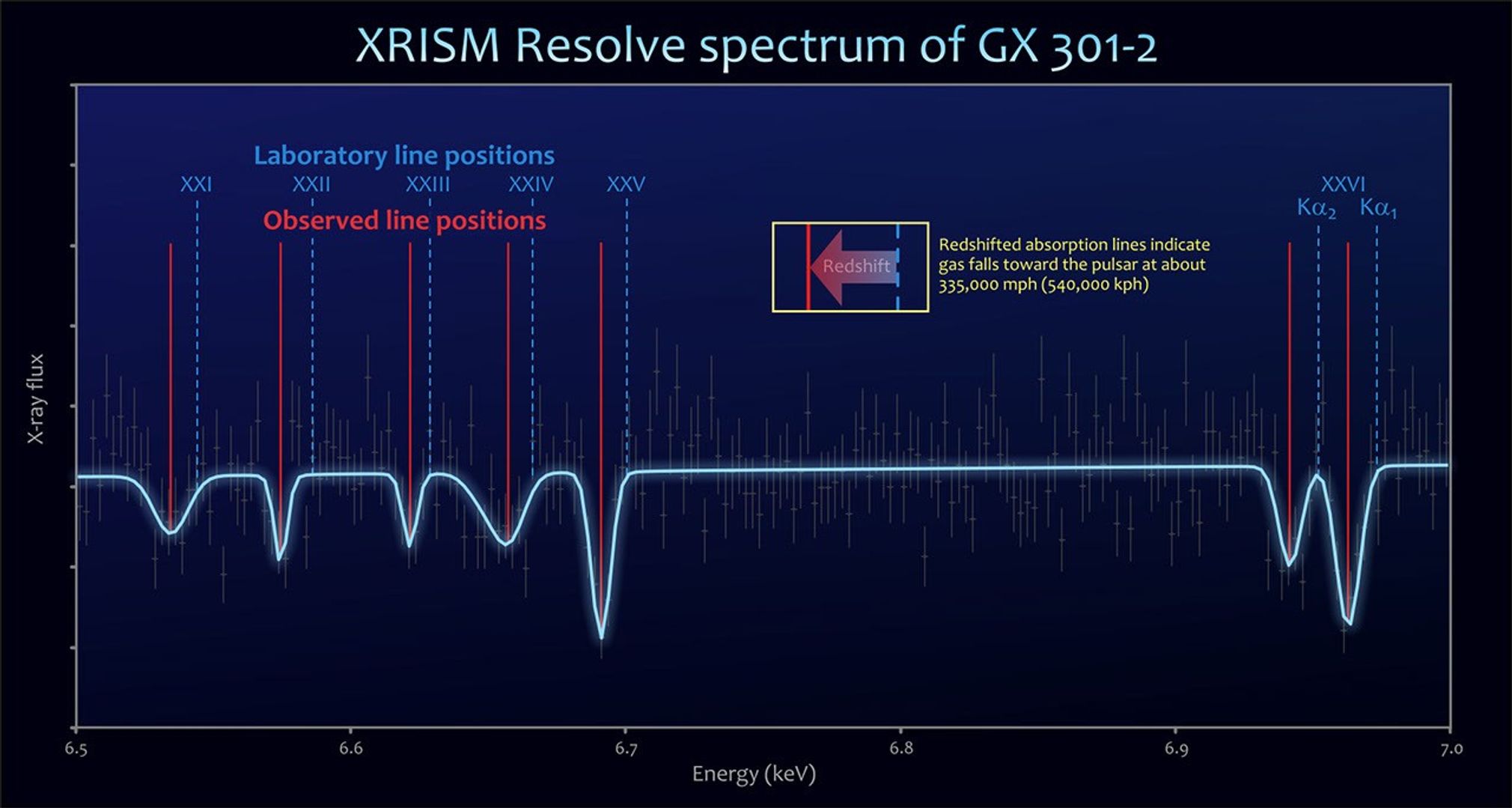
XRISM Mission Observes Pulsar Capturing Stellar Wind From Companion Star
Astronomers using the Japan-led XRISM X-ray observatory say they have directly observed a giant star's outflow being captured by a compact companion, powering intense X-ray flares.
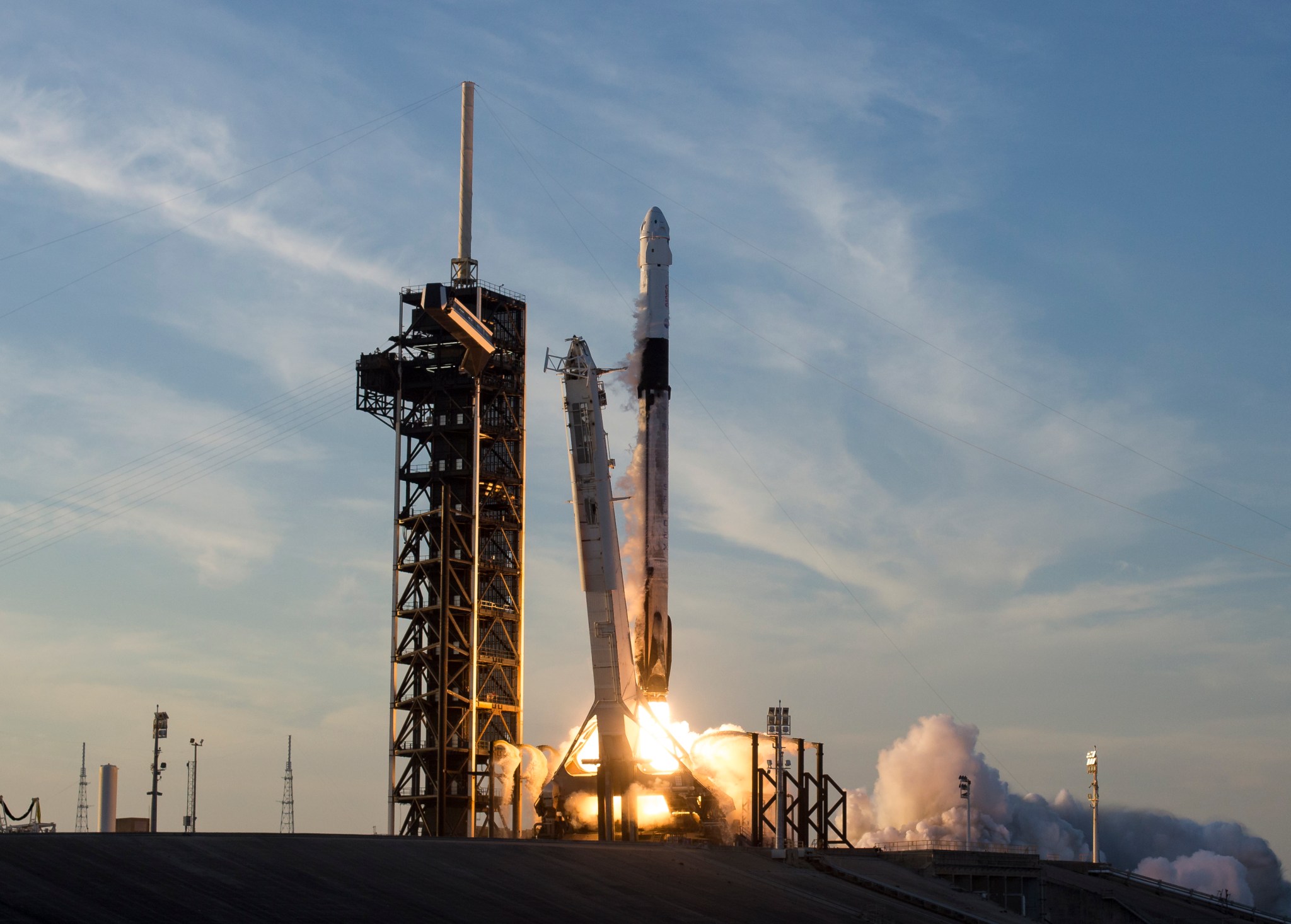
NASA Awards SpaceX Three Additional Crew Missions to Space Station
Contract modification extends SpaceX’s role in ferrying astronauts to the International Space Station under NASA’s Commercial Crew Program
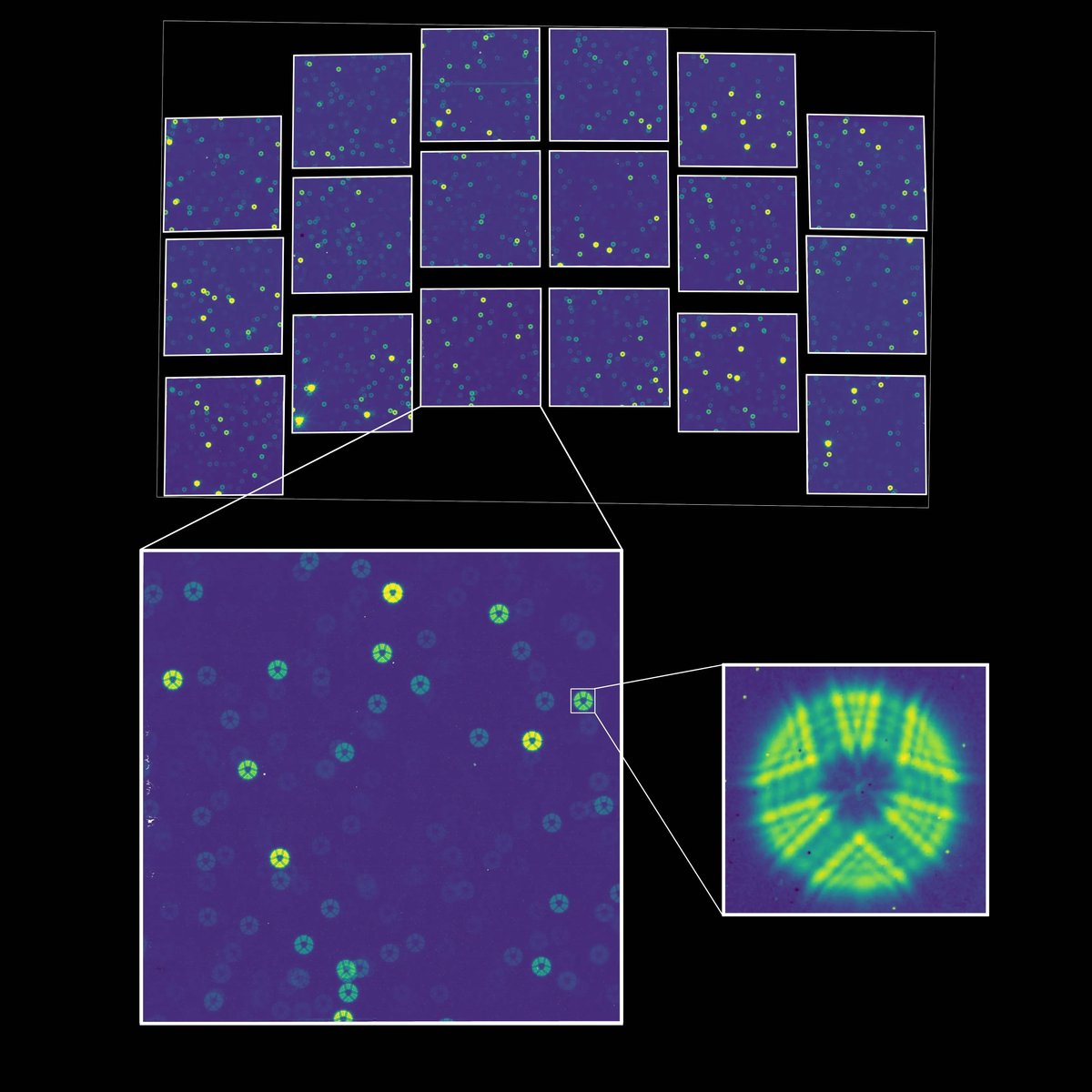
NASA's Nancy Grace Roman Space Telescope Captures First Light
The new observatory, designed to hunt for thousands of exoplanets and probe dark matter and dark energy, has recorded its first cosmic images, according to a report by Scientific American.
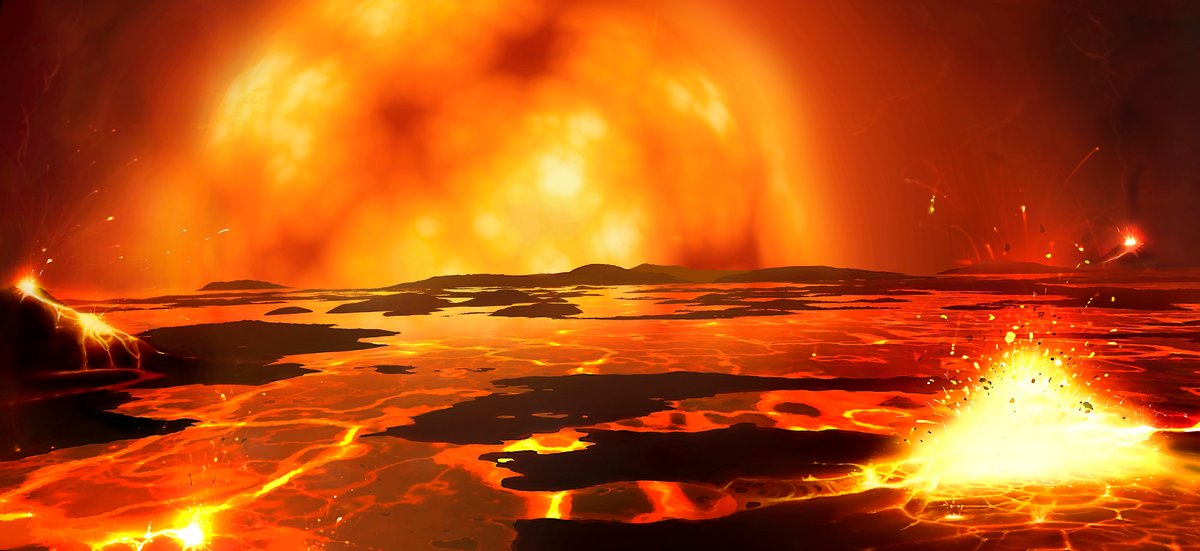
Scientific American Traces the Sun's Long Road to Its Eventual Demise
A new feature explores the key stages the sun will pass through before its light finally fades, billions of years from now.
Comments
Loading comments…