NASA's Astronomy Picture of the Day compares Andromeda before and after editing
The September 27 Astronomy Picture of the Day shows the Andromeda galaxy in a before-and-after comparison highlighting the role of image processing.
Written by EGazette’s AI. The facts are drawn from cited sources; the analysis is the AI’s own.
NASA's Astronomy Picture of the Day (APOD) for September 27 features a before-and-after comparison of the Andromeda galaxy, illustrating how image processing can shape the appearance of astronomical photographs.
APOD, a long-running feature maintained by professional astronomers, publishes a new astronomical image each day accompanied by a short explanation. The daily selections range from raw telescope captures to more heavily processed composites.
This installment sets a "before" version of an Andromeda image against an "after" version that has undergone further processing, offering a look at the steps that can go into producing a finished astrophotograph.
Andromeda, the nearest large spiral galaxy to the Milky Way, remains one of the most frequently photographed objects in amateur and professional astronomy alike.
Sources
- APOD: 2026 September 27 – Andromeda Before and After Photoshop — NASA Breaking News
EGazette summarizes reporting from multiple sources; follow the links for the originals.
Comments
Loading comments…
Related articles
Astronomy Picture of the Day Highlights 'Cosmic Latte,' the Average Color of the Universe
NASA's September 28 feature showcases the pale beige-white hue astronomers calculated as the universe's overall average color.

NASA's Astronomy Picture of the Day features a 'Mirrored Meteor and Milky Way'
NASA's Astronomy Picture of the Day for September 26, 2026, spotlights an image titled 'Mirrored Meteor and Milky Way.'
Scientific American Reports Discovery of Milky Way's 'First Microblazar'
The publication says scientists have identified an unusual cosmic object described as the galaxy's first microblazar.
Hubble reveals hidden structure within spiral galaxy NGC 4698
A new image released by NASA on 18 September 2026 shows the galaxy's spiral arms curling within a thin disk of stars, gas and dust.
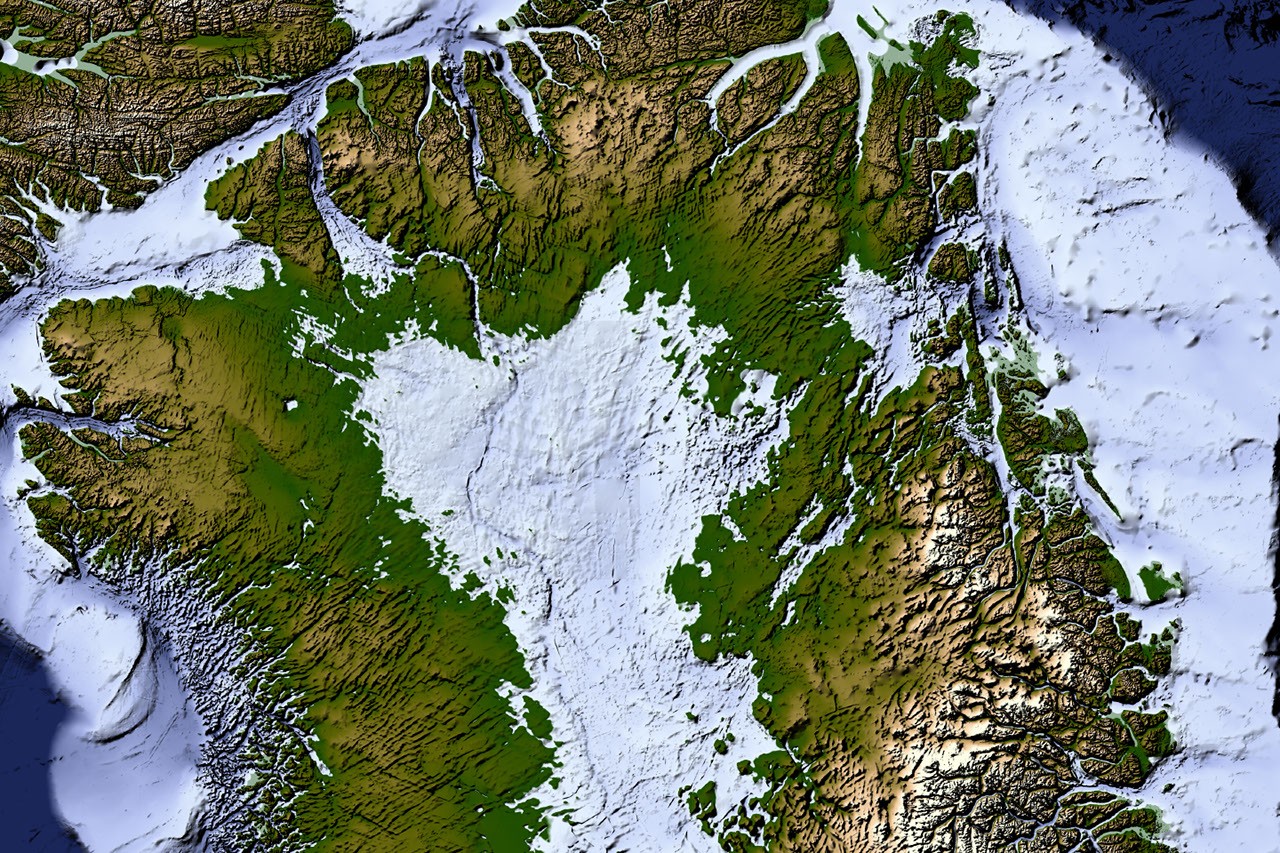
New Map Reveals Hidden Network of Valleys Beneath Greenland's Ice Sheet
Scientists have produced a new map of the terrain beneath the Greenland Ice Sheet that links hundreds of valleys previously missed or left fragmented by earlier surveys.
Readers Share Photos of the Harvest Moon Over the UK
The full Harvest Moon lit up skies across the UK on Saturday night, prompting a wave of reader photography.