Nancy Grace Roman Space Telescope Set to Reach Lagrange Point
Scientific American reports the telescope is traveling toward a gravitationally stable location in space known as a Lagrange point.
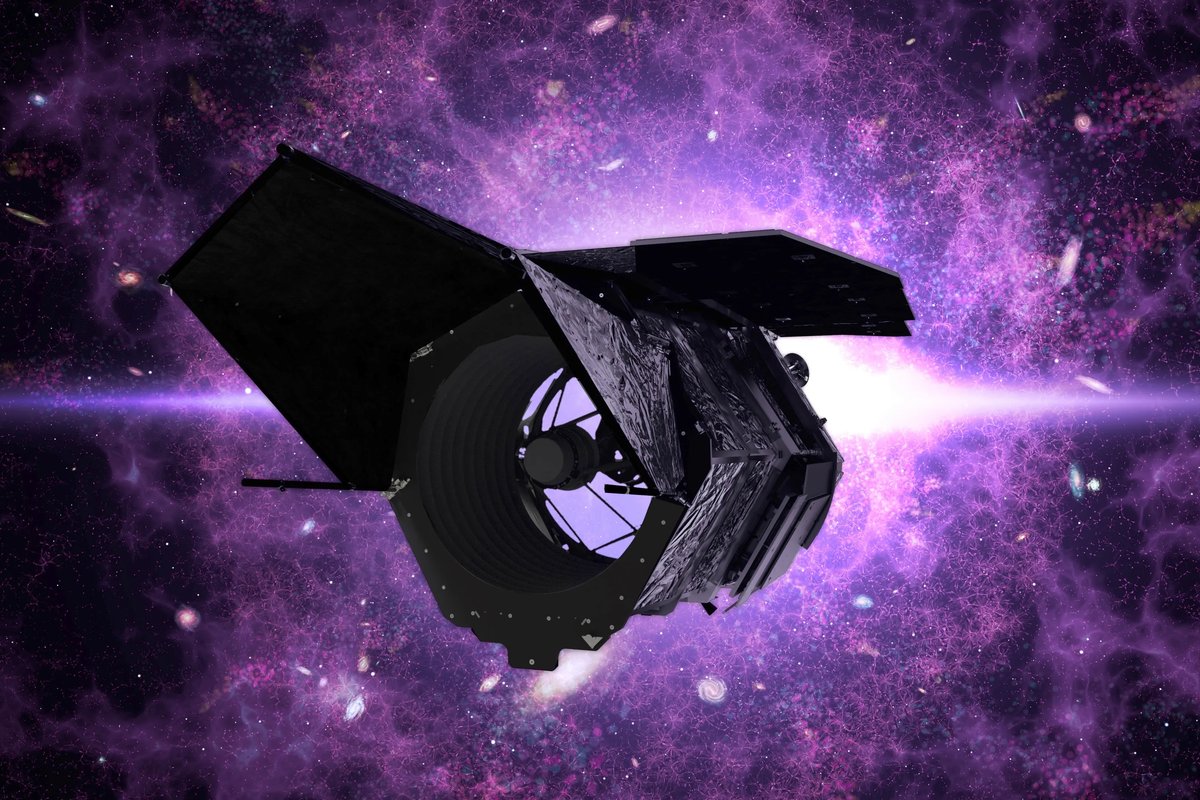
The Nancy Grace Roman Space Telescope is currently en route to a Lagrange point, according to a report published by Scientific American.
A Lagrange point is described in the report as a critical position in outer space where gravitational forces behave in specific ways, allowing objects placed there to maintain a relatively stable position relative to two larger bodies, such as the Sun and Earth.
Scientific American's report focuses on explaining the nature of this destination and why such locations are significant for space-based observatories, though it does not provide further specifics on the telescope's exact position or expected arrival timeline.
The report is part of ongoing coverage by Scientific American tracking the telescope's journey and its intended operational location in space.
Sources
- Where is the Roman Telescope in space? — Scientific American
EGazette summarizes reporting from multiple sources; follow the links for the originals.
Related articles
NASA Selects SpaceX to Launch StarBurst Gamma-Ray Detector
The small satellite mission will study neutron star mergers and short gamma-ray bursts, launching on a Falcon 9 rocket from Florida.
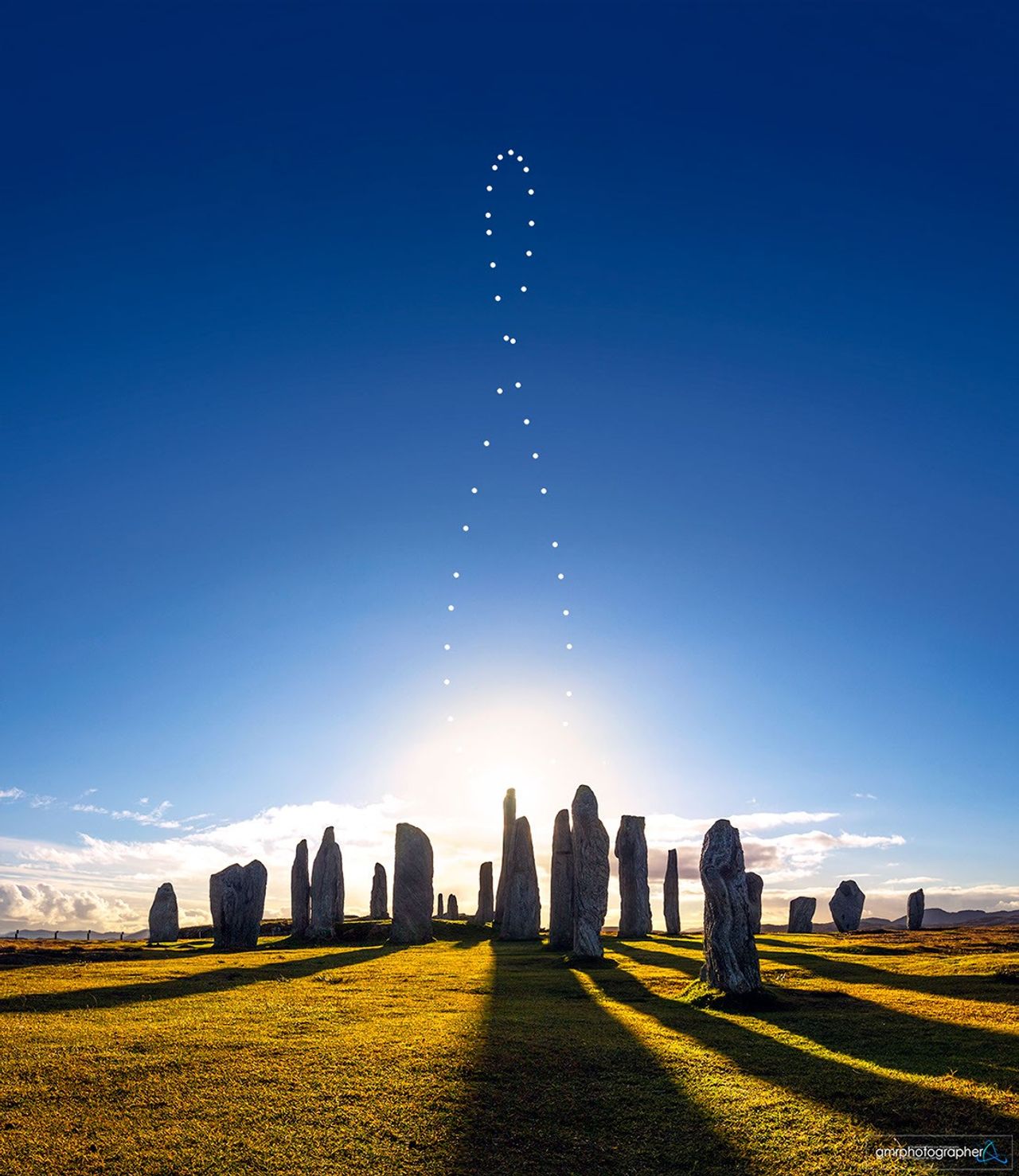
NASA's Astronomy Picture of the Day Features Analemma Over Scotland's Callanish Stones
The September 20, 2026 edition of NASA's long-running APOD series highlights a composite image showing the sun's yearly path above the ancient Callanish Stones.
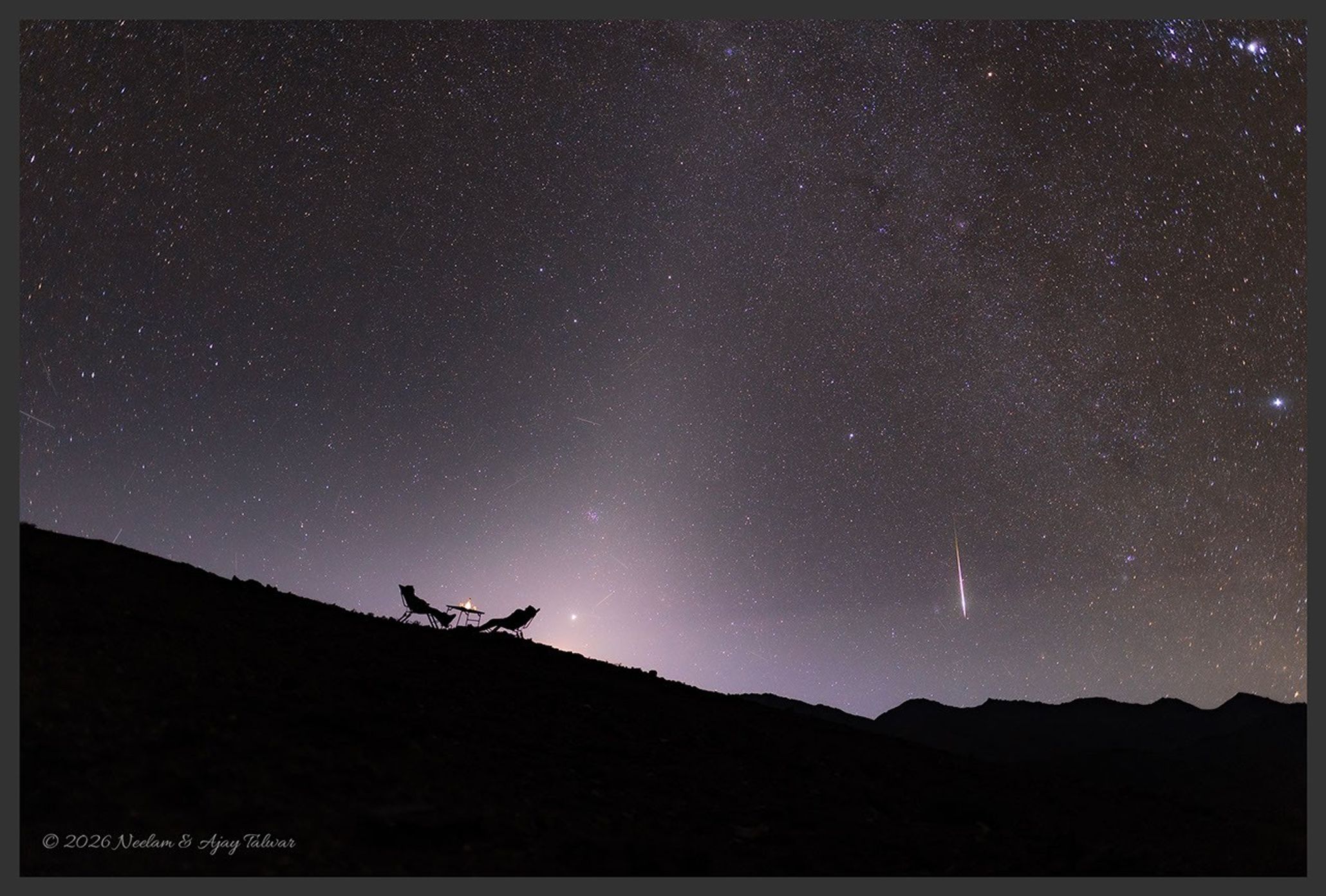
NASA’s Astronomy Picture of the Day to Feature “A Zodiacal Night” on September 19, 2026
The long-running NASA APOD series is set to showcase a night-sky image highlighting the zodiacal light, according to the program’s website.
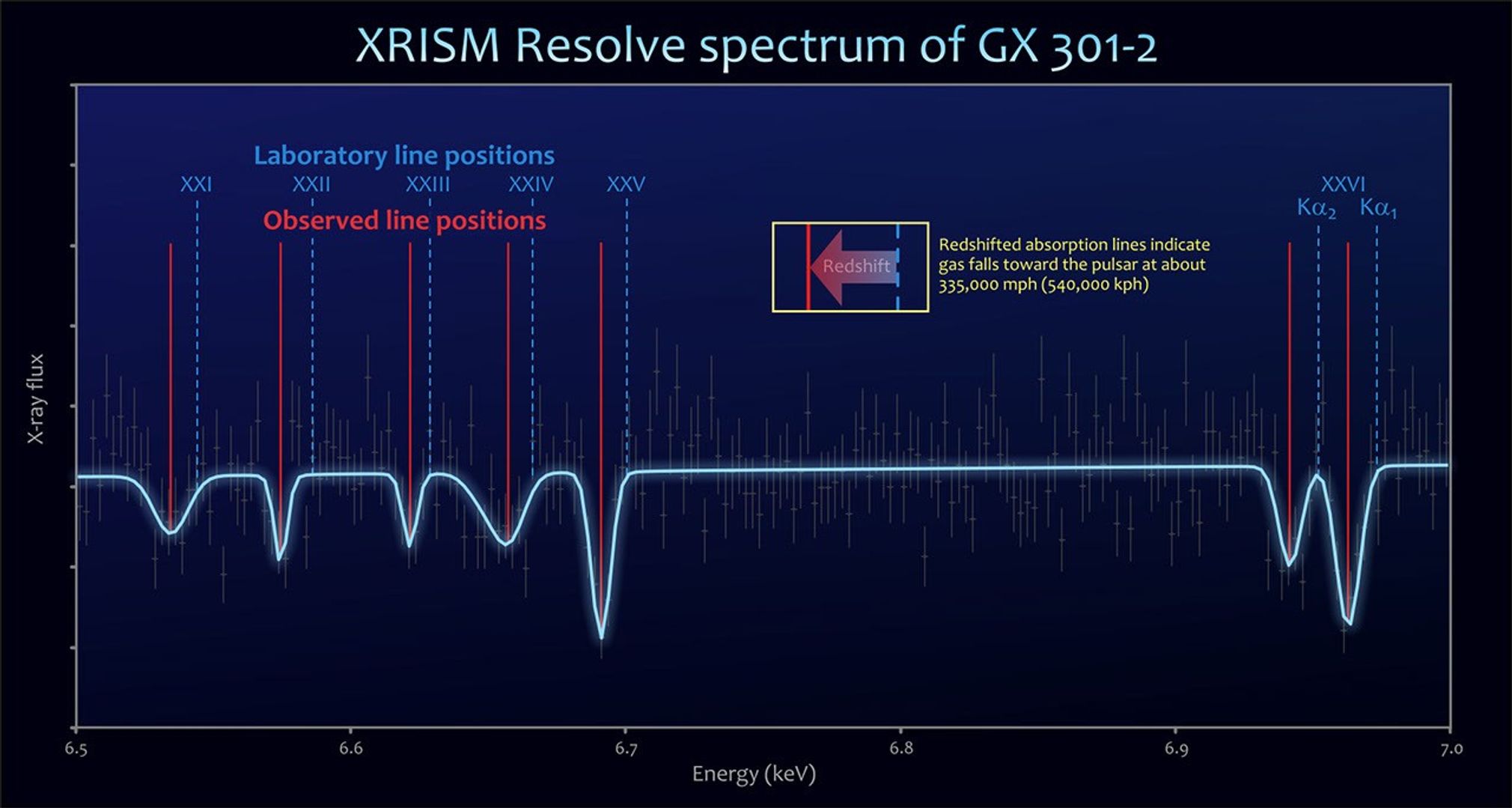
XRISM Mission Observes Pulsar Capturing Stellar Wind From Companion Star
Astronomers using the Japan-led XRISM X-ray observatory say they have directly observed a giant star's outflow being captured by a compact companion, powering intense X-ray flares.
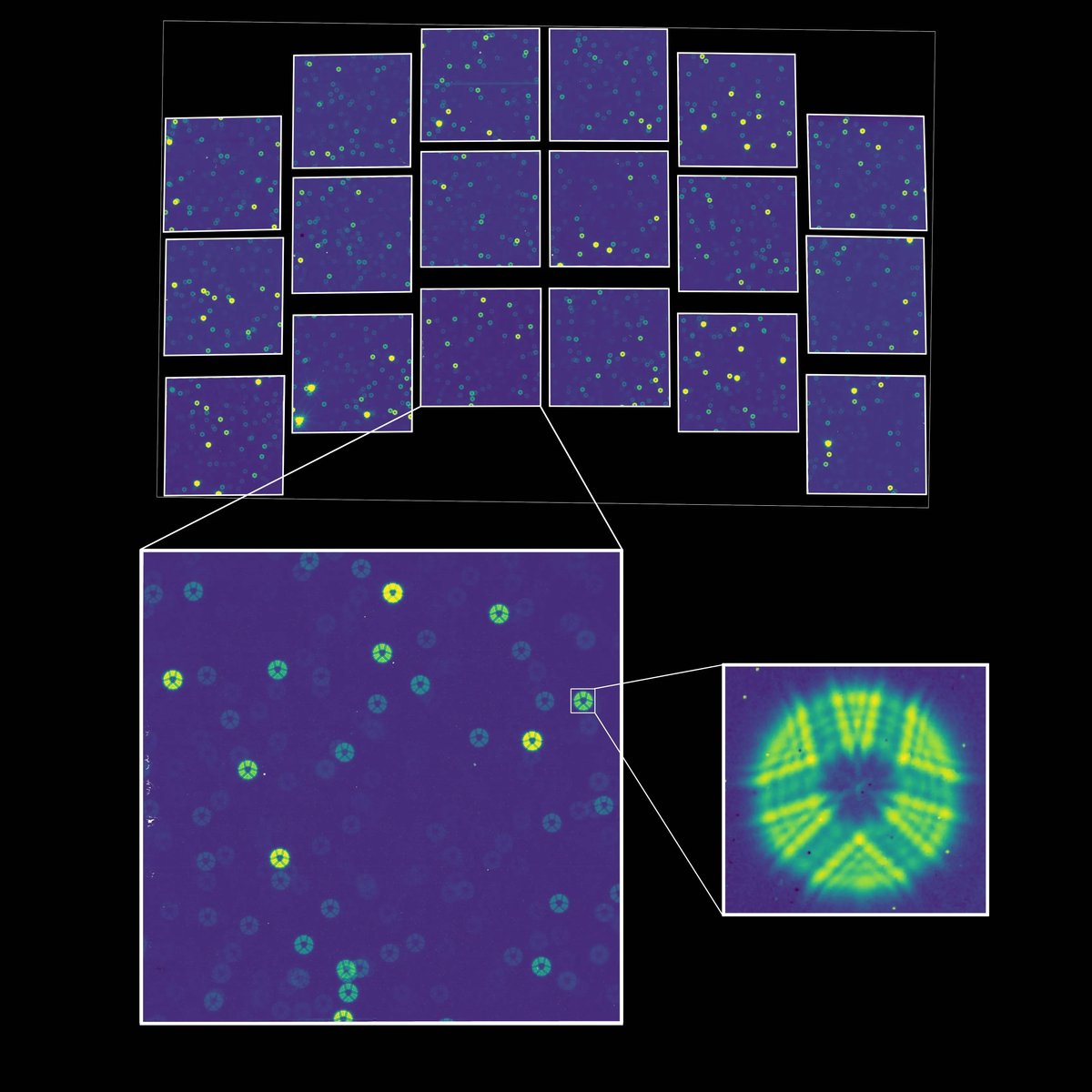
NASA's Nancy Grace Roman Space Telescope Captures First Light
The new observatory, designed to hunt for thousands of exoplanets and probe dark matter and dark energy, has recorded its first cosmic images, according to a report by Scientific American.
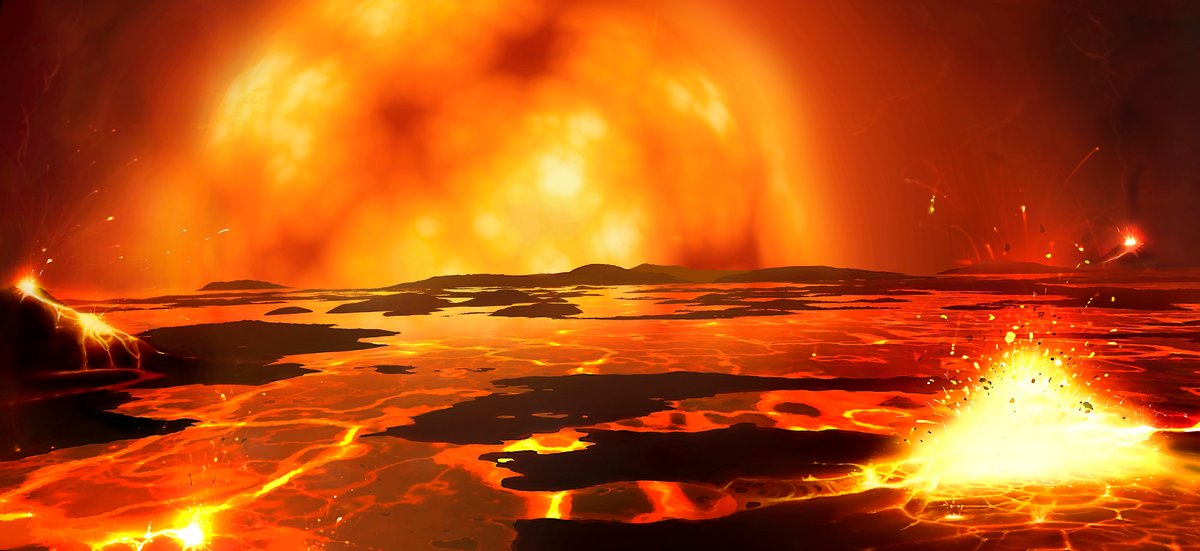
Scientific American Traces the Sun's Long Road to Its Eventual Demise
A new feature explores the key stages the sun will pass through before its light finally fades, billions of years from now.
Comments
Loading comments…