"Nanbanjin": A Cross-Cultural Graphic Novel by Cyril Pedrosa and Taiyō Matsumoto
Published by Dupuis, this nearly 500-page "head-to-tail" album brings together two perspectives—Western and Japanese—on the first contact between Europe and Japan in the 16th century.

A new illustrated album titled "Nanbanjin" has just been released by Dupuis publishers, according to RFI. The title takes its name from a Japanese term literally meaning "southern barbarian," a derogatory nickname given in the 16th century by the Japanese to the first Western arrivals.
The project was initiated by French artist Cyril Pedrosa, RFI reports. It was created as a collaboration between him and Japanese manga artist Taiyō Matsumoto.
The work presents itself in a unique format, known as "head-to-tail," according to the source. On one side is a Western-style reading created by Cyril Pedrosa, while on the other side is a manga-format reading by Taiyō Matsumoto. The album totals nearly 500 pages, according to RFI.
This structure allows the two artists to each offer their own narrative and perspective while addressing the same historical subject: the encounter between Japan and the first Westerners to arrive in the archipelago in the 16th century.
Sources
EGazette summarizes reporting from multiple sources; follow the links for the originals.
Related articles

Ukraine Signs Council of Europe Convention on TV Series Co-Production
The agreement, signed during the Carpathian Summit, is intended to open new opportunities for Ukrainian involvement in European television production.
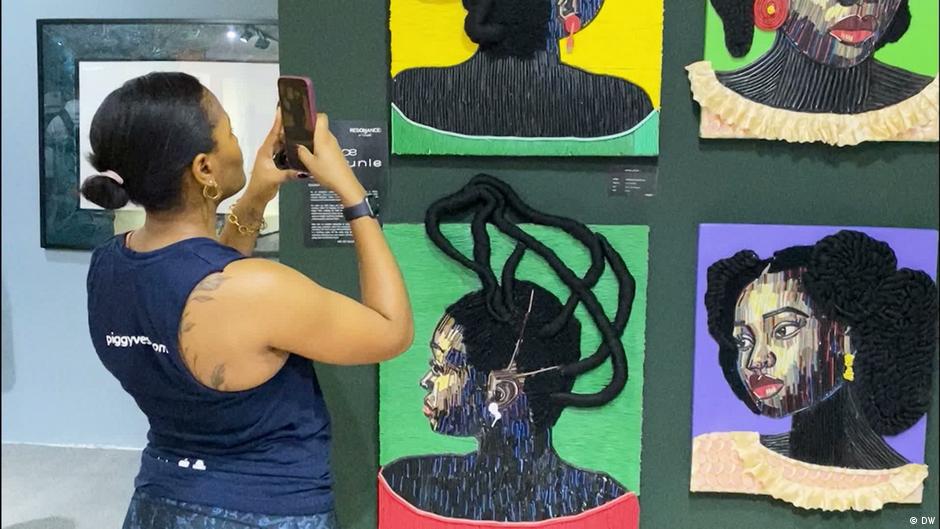
UN Resolution and New Initiatives Aim to Correct Global Perceptions of Africa
Efforts including a push to redraw the world map, school curriculum reforms and awareness campaigns seek to present a more accurate and positive image of the African continent, according to Deutsche Welle.

Taylor Swift, Tom Cruise Seen Sharing Suite at Arrowhead Stadium
The pop star and the actor were reported to have sat together while watching Kansas City Chiefs tight end Travis Kelce play.

New £1m grant launched to help communities protect green spaces
Fund aims to support local groups safeguarding threatened wildlife sites and green spaces, according to a BBC report.

Volunteer Group Marks Ten Years Clearing Debris From UK Harbour
From an inflatable doll to a games console, members say the harbour clean-up project continues to surprise them a decade on

Ed Sheeran Addresses Macklemore Controversy at Concert, Fans React
Singer told a cheering crowd he had made mistakes after rapper Macklemore was dropped from his tour following pro-Palestinian remarks, BBC News reported.
Comments
Loading comments…