Morocco's Regional Languages Enter the Election Campaign Battle for Votes
Morocco's linguistic diversity has become part of the current election campaign, with Amazigh used in party rhetoric and public media, and Hassaniya featured in campaigns in the southern regions, alongside Arabic.
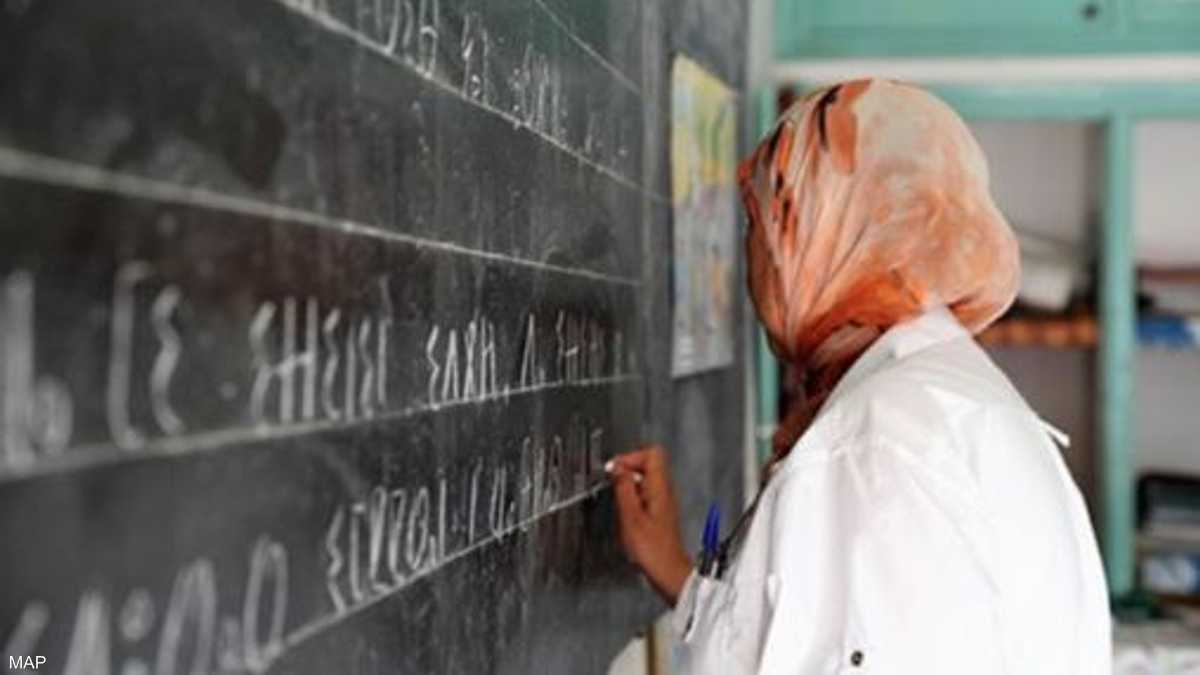
Morocco's linguistic diversity has become a visible feature of the country's current election campaign, with candidates and parties increasingly incorporating regional languages into their outreach efforts.
The Amazigh language, spoken by a significant portion of Morocco's population, is being used in party rhetoric and public media coverage of the campaign, while Hassaniya, spoken predominantly in the country's southern regions, is appearing in campaign materials targeted at voters there.
Arabic remains dominant, but diversity grows
Despite the growing presence of regional languages, Arabic remains the most widely used language in campaign programs and promotional materials, reflecting its continued dominant role in Moroccan political communication.
The use of Amazigh and Hassaniya in campaigning reflects broader recognition of Morocco's linguistic diversity, which has gained increasing institutional acknowledgment in recent years, including constitutional recognition of Amazigh as an official language alongside Arabic.
Political parties reaching out to voters in their own regional languages can be seen as an effort to build stronger connections with specific constituencies, particularly in areas where Amazigh or Hassaniya speakers form a significant share of the electorate.
The multilingual character of this election cycle illustrates how language remains an important dimension of political identity and representation in Morocco, a country with a long history of linguistic and cultural diversity across its different regions.
Sources
- انتخابات بلغات المغرب.. تيفيناغ والحسانية تدخلان معركة الصوت — Sky News Arabia
EGazette summarizes reporting from multiple sources; follow the links for the originals.
Comments
Loading comments…
Related articles
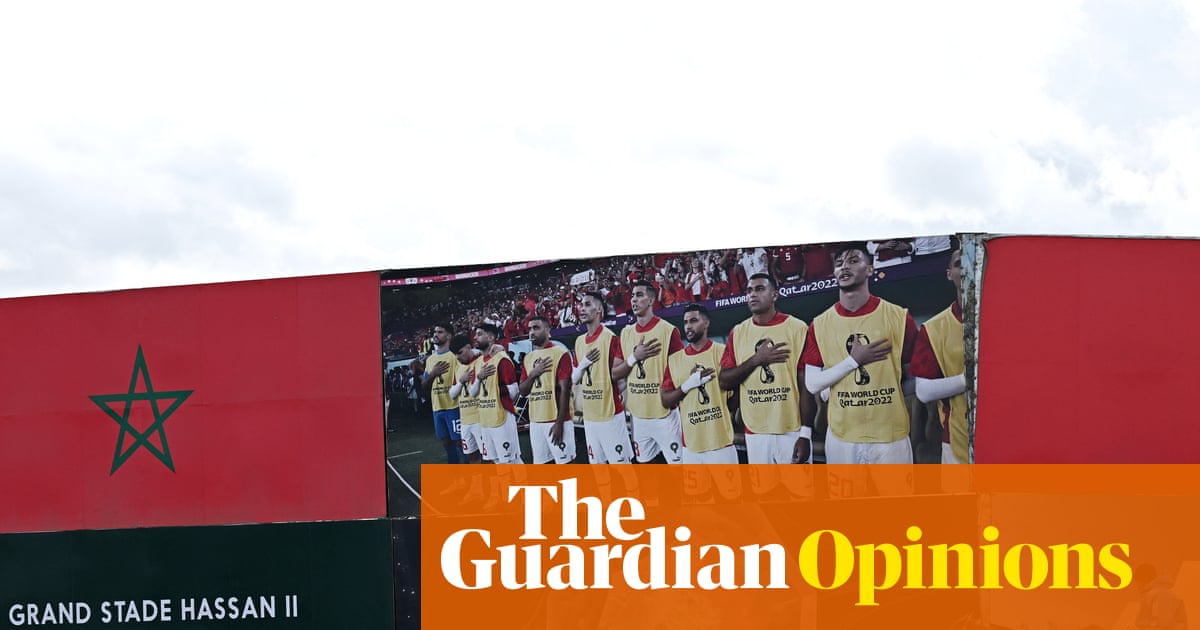
The Guardian's editorial: Morocco's World Cup will not placate a disillusioned generation
The newspaper's editorial board argues that low youth turnout in Morocco's parliamentary election reflects deep disillusionment that hosting a World Cup will not resolve.
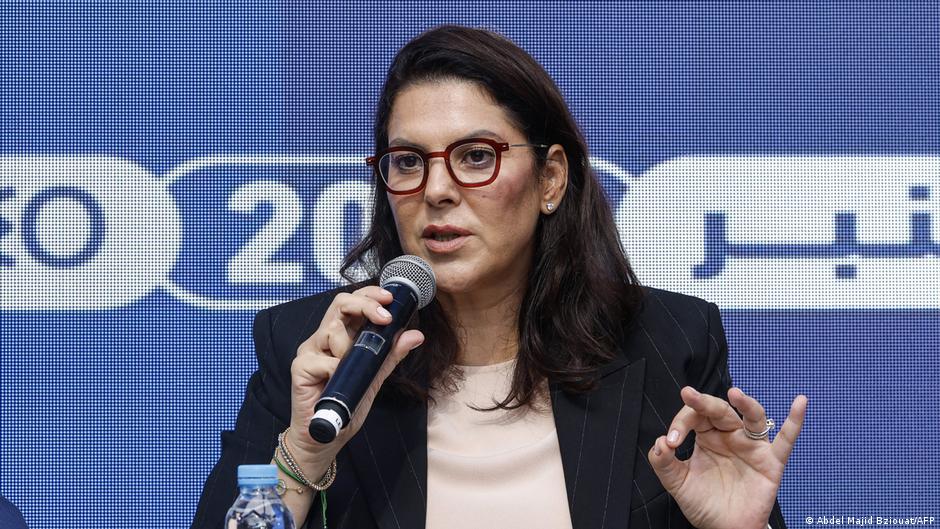
Who Is Fatima Zahraa Al-Mansouri? Morocco's First Woman to Head the Government
King Mohammed VI appointed the Marrakech-born lawyer as Prime Minister, making her the first woman to hold this position in the kingdom's history.
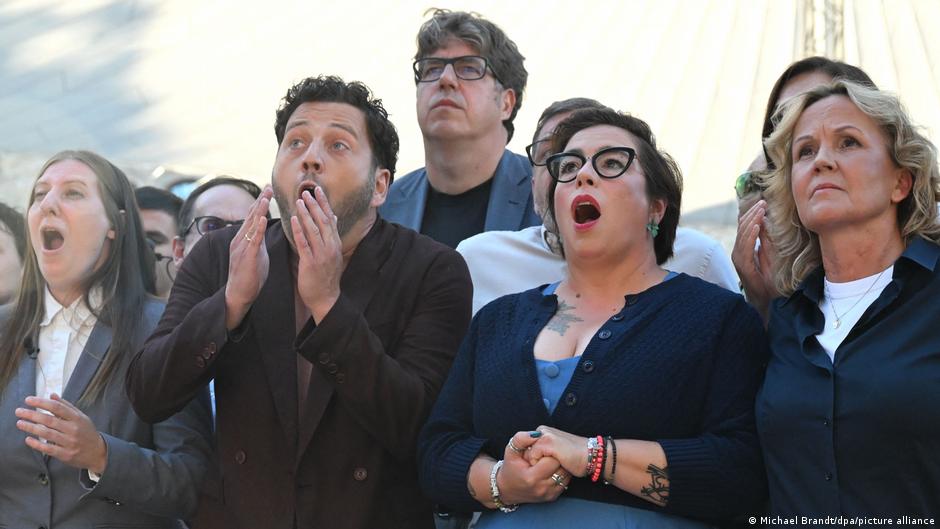
German Greens Party Regains Some Electoral Momentum After Months of Decline
After a period of anxiety and falling popularity, the party recorded unexpected electoral results amid growing political challenges.
Morocco's King Appoints El Mansouri as Country's First Female Prime Minister
Fatima Ezzahra El Mansouri, whose party won last week's parliamentary elections, called the appointment a 'source of pride' for women.

Morocco's king appoints Fatima Ezzahra El Mansouri as first woman prime minister
El Mansouri becomes only the second woman to serve as prime minister in the Arab world.
Greens Leadership Bid Emerges as Shoebridge, Hodgins-May Signal Challenge
A potential leadership ticket involving senators David Shoebridge and Steph Hodgins-May points to internal shifts within the Australian Greens.