More Than 50 World Leaders to Skip UN General Assembly This Year
Xi Jinping, Vladimir Putin and several other heads of state are among more than 50 leaders absent from this year's UN General Assembly, citing illness, domestic matters and scheduling conflicts.
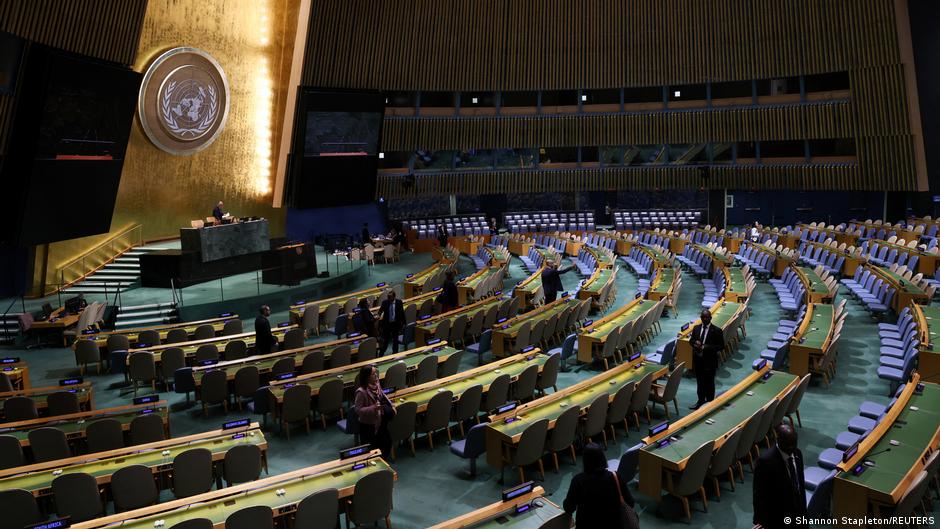
More than 50 world leaders are skipping this year's United Nations General Assembly in New York, according to a review of attendance at the annual gathering. Among the notable absences are Chinese President Xi Jinping, Russian President Vladimir Putin, German Chancellor Friedrich Merz, Italian Prime Minister Giorgia Meloni and Palestinian Authority President Mahmoud Abbas.
The reasons cited for the absences vary widely, ranging from illness and domestic political affairs to scheduling conflicts and holidays. The list underscores how the annual assembly, while a marquee diplomatic event, does not always draw universal attendance from every head of state or government.
Who Is Attending Instead
In the absence of top leaders, many countries are expected to send senior officials such as foreign ministers or deputy heads of state to represent their governments at the assembly and its associated meetings. This is a common practice when a head of state cannot attend in person.
The scale of this year's absences — more than 50 leaders — has drawn attention among diplomatic observers, who note that domestic political pressures and competing international priorities can make it difficult for some leaders to justify the time away from their home countries during a normal legislative or political calendar.
Why Attendance Varies
Attendance at the UN General Assembly's high-level week has historically fluctuated based on global events, domestic political calendars and individual leaders' relationships with the institution itself. Some leaders prioritize the assembly as a venue for major foreign policy speeches, while others view sending a senior minister as sufficient for their country's representation.
The assembly continues this week regardless of the individual absences, with dozens of other heads of state and government still delivering addresses and holding bilateral meetings on the sidelines in New York.
Sources
- Who is skipping the UN General Assembly — and why — Deutsche Welle — English
EGazette summarizes reporting from multiple sources; follow the links for the originals.
Related articles

Who's Who in the Race to Become the Next UN Secretary-General
Eight candidates, including five women, are vying to become the next United Nations Secretary-General.
Turkish First Lady Attends Climate and Child Protection Events in New York
Emine Erdogan accompanied President Recep Tayyip Erdogan during his official visit for the 81st UN General Assembly session.
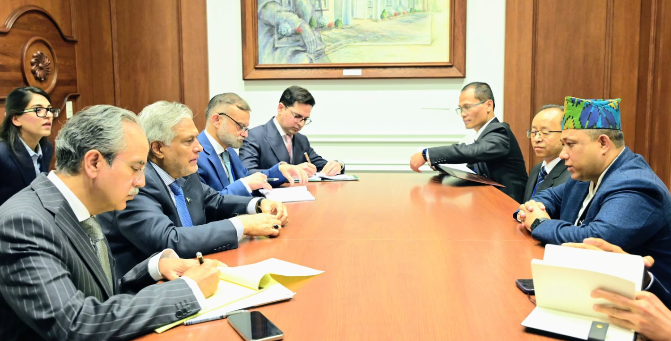
DPM Dar, Nepali Foreign Minister Review Bilateral Relations in New York
The two officials met on the sidelines of the UN General Assembly and discussed ways to boost cooperation between Pakistan and Nepal.
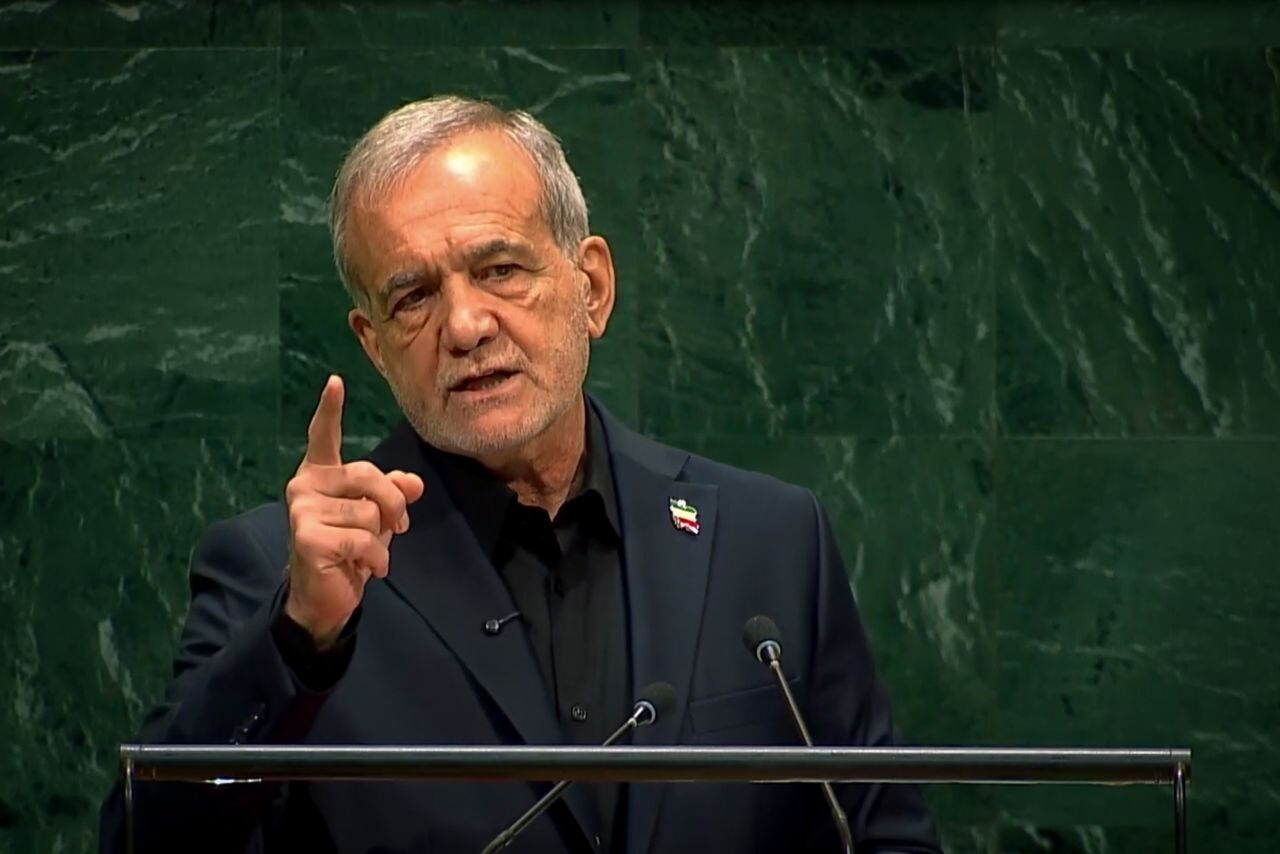
Iranian officials praise Pezeshkian's UN address as sign of national unity
Officials in Tehran have praised President Masoud Pezeshkian's speech to the UN General Assembly, describing it as reflecting national unity and Iran's determination to defend its sovereignty.

Russian Attacks Kill Eight Across Ukraine as US Intensifies Diplomatic Push
Eight people were killed in Russian strikes across Ukraine as the United States and Russia held urgent talks on the war's impact on global energy at the UN General Assembly.
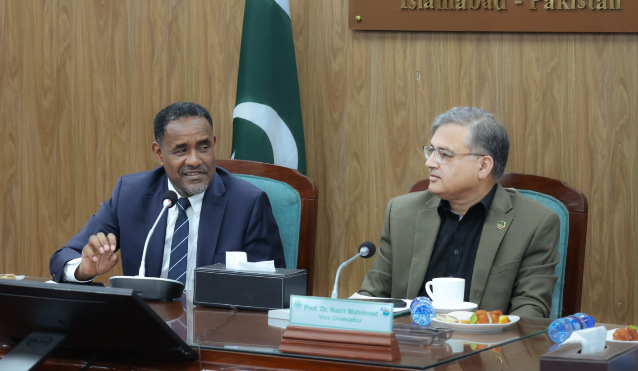
Ethiopian Embassy, AIOU Launch Green Legacy Initiative in Islamabad
Ethiopia's ambassador and the vice chancellor of Allama Iqbal Open University launched the Green Legacy Initiative, calling for stronger institutional ties between the two countries.
Comments
Loading comments…