Malaysia Sets $120 Billion Semiconductor Investment Target for 2030
Prime Minister Anwar Ibrahim says reforms to technical and vocational education will align workforce training more closely with industry needs.
Malaysian Prime Minister Anwar Ibrahim has set a target of attracting $120 billion in semiconductor investment by 2030, positioning the country to expand its role in the global chip supply chain.
Speaking on the plans, Anwar said the government intends to reform technical and vocational education and training (TVET) programs so that they more closely match the needs of the semiconductor and broader technology industry. The changes are aimed at ensuring graduates are equipped with the specific skills employers in the sector require.
Malaysia has in recent years sought to strengthen its position in semiconductor manufacturing and assembly, an industry it has hosted for decades, as global companies look to diversify supply chains beyond a handful of established hubs. Government officials have repeatedly framed workforce development as a central pillar of that strategy, alongside efforts to attract foreign direct investment.
Details on how the $120 billion target will be distributed across manufacturing, research and development, and other segments of the semiconductor value chain were not immediately specified. The government has previously outlined broader industrial master plans aimed at moving the country up the value chain from assembly and testing toward higher-value chip design and production.
The push comes amid intensifying global competition for semiconductor investment, with governments across Asia, North America and Europe offering incentives to attract chipmakers and their supply chains.
Sources
- Malaysia targets $120B in semiconductor investments by 2030: Premier — Anadolu Agency (Turkey)
EGazette summarizes reporting from multiple sources; follow the links for the originals.
Related articles

Chip Analyst Sees Continued Upside for Nvidia and Broadcom Despite AI Slowdown Calls
A prominent chip stock analyst remains bullish on Nvidia and Broadcom even as some voices call for slower AI model development and investors show renewed interest in a competing part of the AI chip ecosystem.
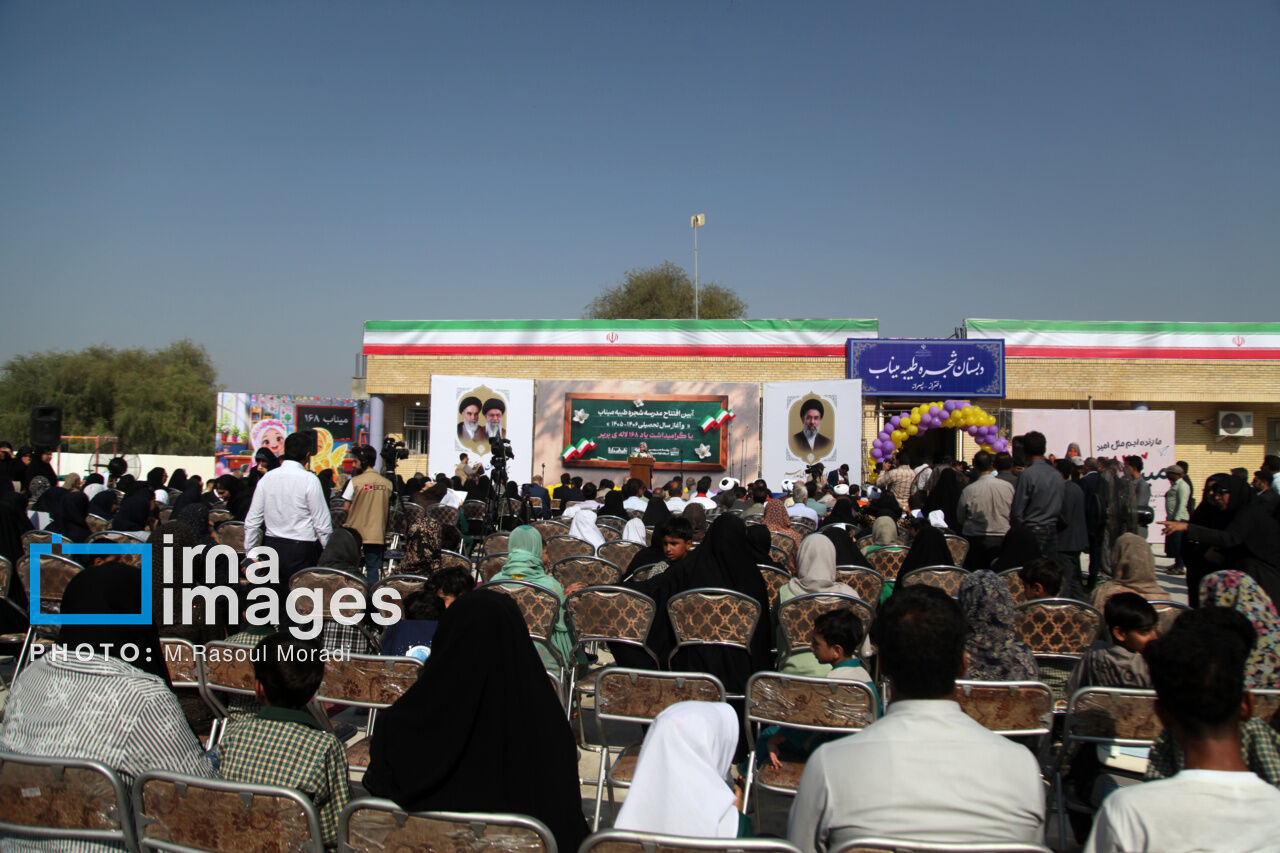
New Shajareh-ye Tayyebeh School opens in Minab with tribute to student martyrs
The school's opening ceremony, marking the start of the 2026-27 academic year, honored the memory of 168 student martyrs and drew senior officials.
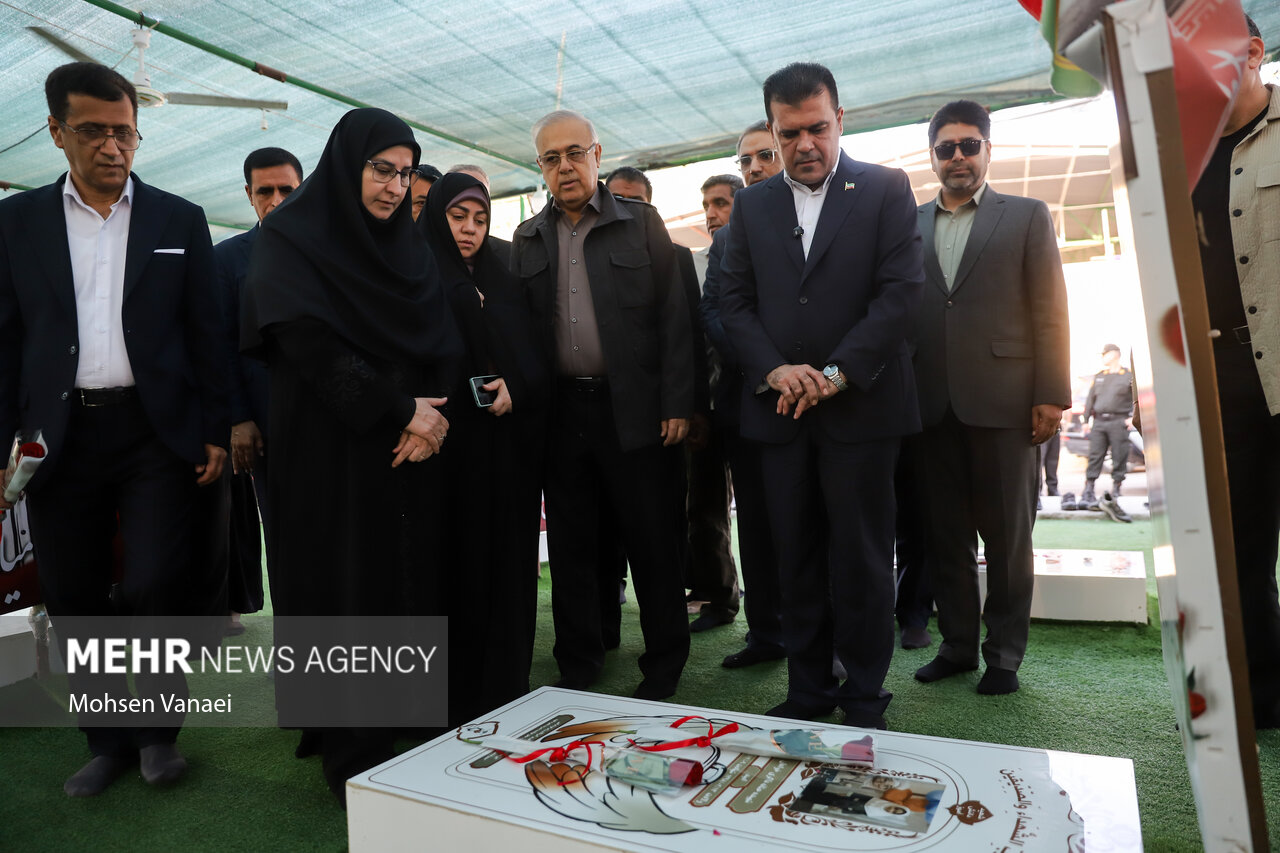
New school year ceremony marked in Minab, southern Iran
A ceremony marking the start of the 2026-2027 school year was held at a martyrs' memorial at an elementary school in Hormozgan province.
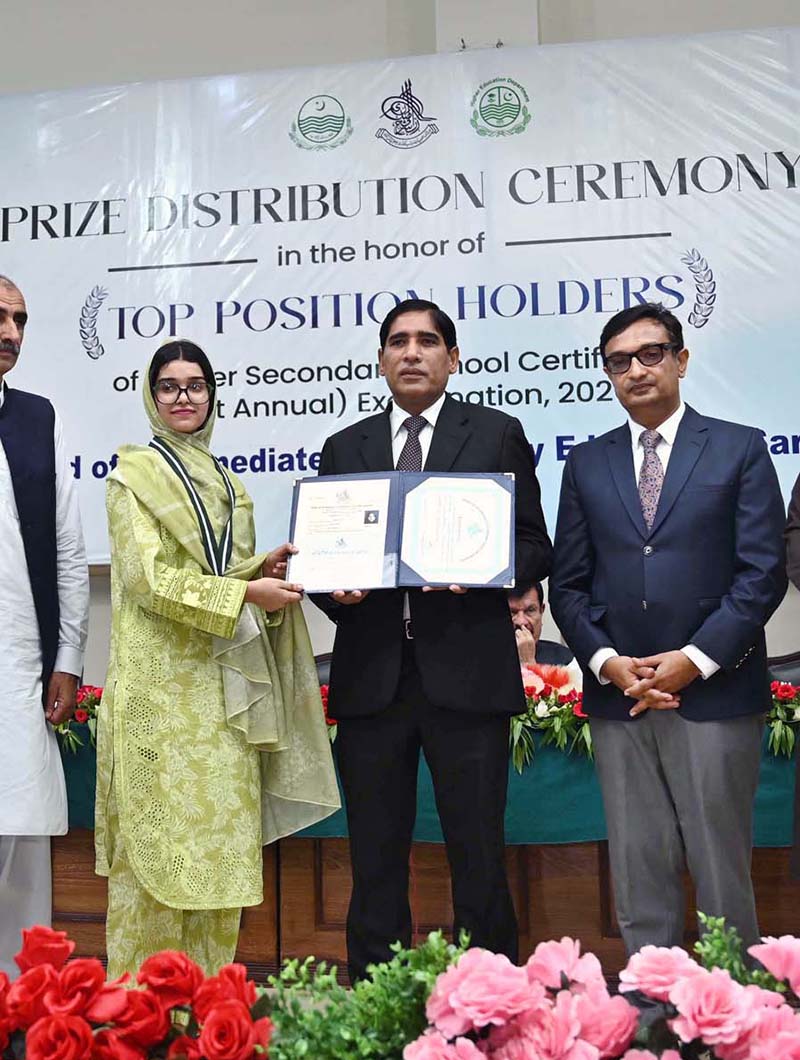
Sargodha University vice chancellor awards gold medal at HSSC prize ceremony
Education Board Chairman Abbash Ahmad Gondal and University of Sargodha Vice Chancellor Prof. Dr. Tasawar Hayyat presented a gold medal to a top-performing student at a prize ceremony for the 2026 HSSC annual exam.
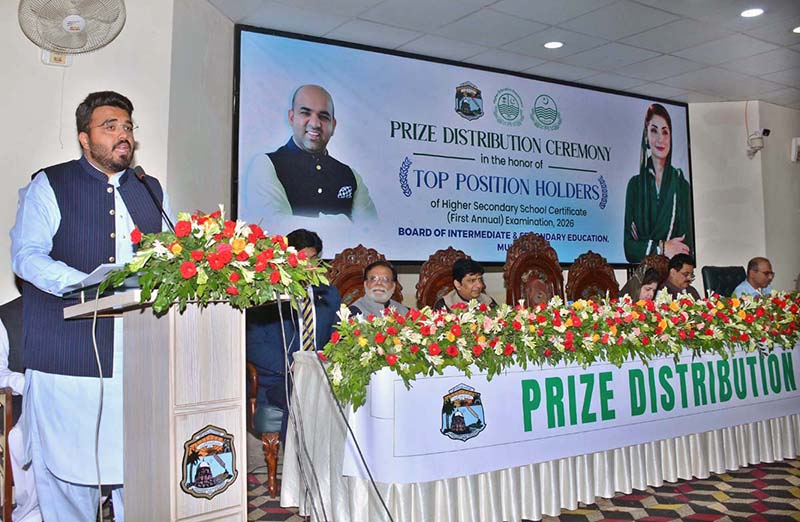
MPA Usama Fazal presides over HSSC prize distribution ceremony in Multan
Chief guest Usama Fazal, a member of the provincial assembly, addressed students at the prize distribution ceremony for the 2026 Higher Secondary School Certificate first annual examination at the Multan Board Office.
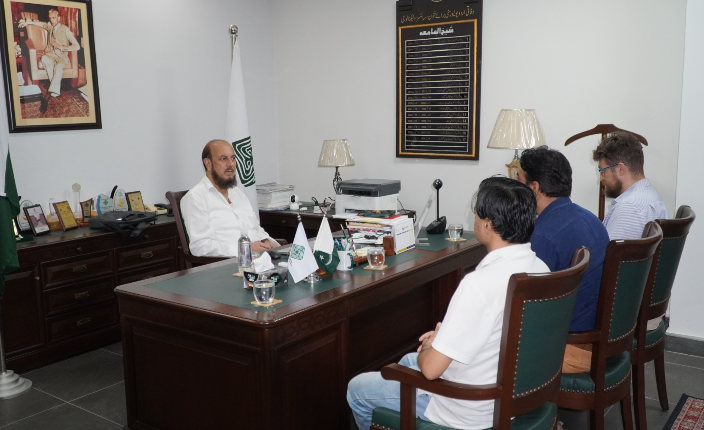
FUUAST Vice Chancellor Praises Strong Turnout for Russian Language Classes
Prof. Dr Zabta Khan Shinwari expressed satisfaction with student enrollment in the newly established program in Islamabad.
Comments
Loading comments…