Letter to Guardian Argues Trained Staff, Not Cameras, Protect Babies in Neonatal Care
A retired consultant obstetrician responding to the Thirlwall report says adequately staffed and resourced neonatal units, not surveillance equipment, are what safeguard infants in intensive care.
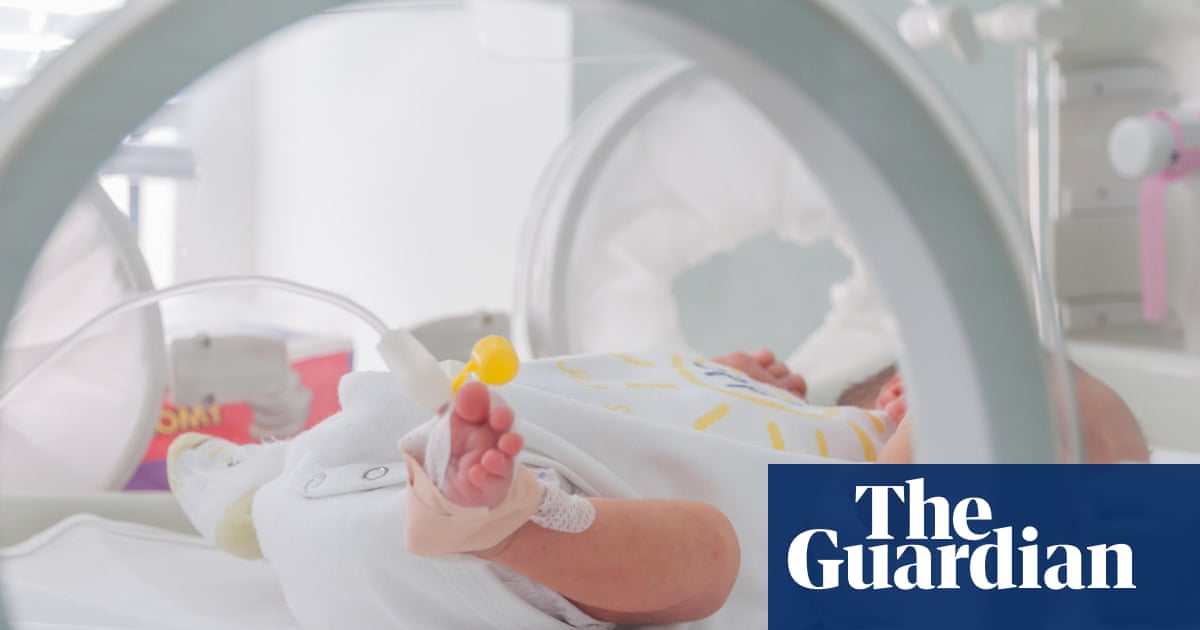
A letter published in The Guardian's Brief Letters column has argued that consultant-led staffing and trained nursing, rather than surveillance cameras, are the key factors in protecting babies in neonatal intensive care units.
The letter was written in response to coverage of the Thirlwall report into the case of Lucy Letby, a former neonatal nurse convicted of murdering babies in her care. The Guardian had published an explainer on the report's findings and recommendations on September 15.
Dr Chris Fitzpatrick, a retired consultant obstetrician and former chief executive of Coombe hospital in Dublin, Ireland, wrote that babies in neonatal intensive care units are saved by having consultant neonatologists — paediatricians with subspecialist training in neonatal medicine — conducting rounds twice daily and remaining immediately available, alongside trained neonatal nurses and adequately resourced units. Fitzpatrick contrasted this approach with measures such as installing cameras on cots and insulin fridges, which he said were not the solution.
The same Brief Letters column included other unrelated short submissions from readers on separate topics, including a light-hearted response to an ongoing debate in the letters pages about nominative determinism from a reader in Essex.
The Thirlwall report examined events at the Countess of Chester Hospital, where Letby worked, and made recommendations regarding hospital practices and oversight in neonatal care settings, according to The Guardian's earlier reporting on the inquiry's findings.
Sources
- Doctors, not cameras, save babies in intensive care | Brief letters — The Guardian — Opinion
EGazette summarizes reporting from multiple sources; follow the links for the originals.
Related articles

Doctor Who Worked With Letby Calls Inquiry Findings 'Grim Reading'
Dr John Gibbs, a consultant who worked at the Countess of Chester Hospital during the period Lucy Letby killed seven babies, says he wishes staff had acted on their suspicions sooner.

Thousands of Eligible Families Missing Out on NHS Food Support, Figures Show
New data cited by the BBC indicates that as few as 64% of families entitled to NHS money for milk, fruit and vegetables are actually claiming it.

Women Say They Suffered Unnecessary Mastectomies at County Durham Health Trust
BBC report highlights accounts from women who say they were harmed by treatment at a County Durham health trust, including one who underwent a mastectomy she says was not needed.
Twenty women had breasts removed unnecessarily during NHS cancer care, trust says
County Durham and Darlington NHS Foundation Trust says the women were among hundreds of patients harmed at its breast unit
MPs and peers call for guaranteed right to travel abroad for disabled people in UK
Lawmakers urge national guidelines after reports of individuals blocked from taking holidays due to NHS care board and council funding rules

Former Cancer Chief Urges Burnham to Back 18-Week Dementia Diagnosis Target
England's former national cancer director has called for a referral-to-treatment waiting time target for dementia, according to a BBC Politics report.
Comments
Loading comments…