The 2027 presidential election looms against a backdrop of presidential crisis
In a column, journalist Solenn de Royer analyzes the progressive breakdown of the exercise of presidential power in France over the past twenty years.
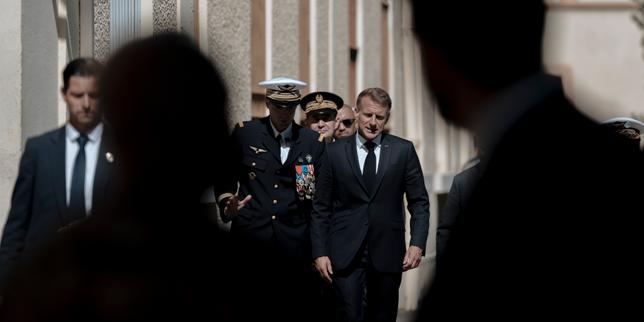
In the run-up to the 2027 presidential election, several analysts point out that the upcoming election will be held in a context of a deep crisis of French-style presidentialism, as it was shaped by the 1958 Constitution.
According to this analysis, developed in particular by the journalist Solenn de Royer in a column published by "Le Monde", the exercise of power resulting from the constitutional text has gradually been disrupted over the last twenty years, with a regime increasingly focused on the presidential function.
A powered function
This growing concentration of power around the presidency of the Republic has ended up producing a phenomenon of institutional exhaustion, weakening the regime's ability to respond effectively to citizens' expectations and to ensure stable governance.
This reading is part of a broader debate on the evolution of the institutions of the Fifth Republic, which have been regularly questioned for several years as to their ability to adapt to new political configurations, marked in particular by a more fragmented National Assembly.
As the candidates for the 2027 presidential election begin to position themselves, this analysis invites us to question the need for a deeper institutional reform, beyond the mere choice of the future tenant of the Élysée Palace.
Sources
- « L’élection présidentielle 2027 va se tenir dans un contexte de crise profonde du présidentialisme à la française » — Le Monde — Une
EGazette summarizes reporting from multiple sources; follow the links for the originals.
Related articles
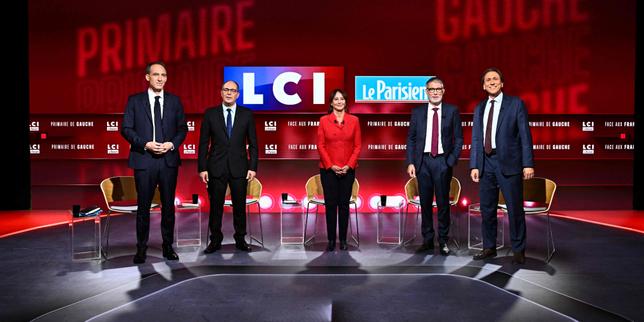
Left-wing primary: candidates debate purchasing power measures
Raphaël Glucksmann, Ségolène Royal, Olivier Faure, Jérôme Guedj and Emmanuel Maurel clashed Wednesday on TF1-LCI over purchasing power issues.
Left-wing Primary: Candidates Clash Over Alliances for Presidential and Legislative Elections
Raphaël Glucksmann, Ségolène Royal, Olivier Faure, Jérôme Guedj and Emmanuel Maurel debated Wednesday evening on TF1-LCI about their relationship with LFI and Jean-Luc Mélenchon.

Aramburu Trial: Prosecution Seeks 27 Years for Loïk Le Priol and 20 Years for Romain Bouvier
The prosecutor presented his closing arguments Wednesday in the trial for the murder of former Argentine rugby player Federico Aramburu, who was killed in 2022.

Pope Leo XIV Begins Four-Day Visit to France, Retracing Family and Faith
The Chicago-born pontiff's trip, which begins Friday, revisits his Norman family roots and the deep influence of French Catholic spirituality on his own faith.
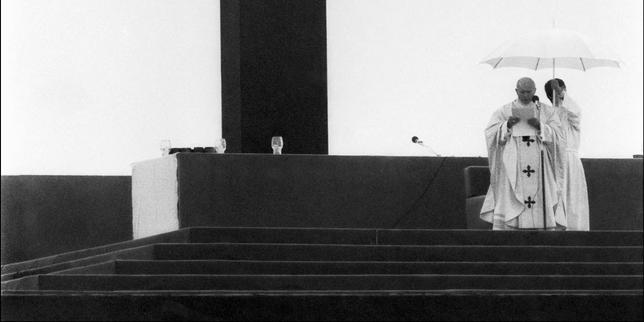
Martin Dumont, historian, examines relations between France and the papacy
In an interview with Le Monde, the general secretary of the Sorbonne's IRER explains why France has never been regarded as a hopeless case by the popes, despite its advanced secularization.

Uproar in France After Award-Winning Novelist Accused of Using AI
Questions have emerged over whether Canadian-Haitian writer Thelyson Orelien used artificial intelligence in his prize-winning debut novel.
Comments
Loading comments…