French far-right groups weaponize gastronomy around 'great replacement' narrative
According to an analysis published by Le Monde, far-right movements are now instrumentalizing food in France, presenting it as an identity issue in the face of multiculturalism.

An analysis published by Le Monde in its 'Ideas' section describes how food, long remaining on the margins of political debate in France, is now being leveraged by far-right movements for identity purposes. According to the outlet, gastronomy, traditionally perceived as a national symbol, has become fertile ground for xenophobic discourse.
According to this analysis, certain far-right currents are repurposing the theory of the 'great replacement'—originally formulated in demographic and cultural terms—and applying it to the culinary domain. They thus present certain food trends as a threat linked to multiculturalism, according to Le Monde.
The outlet emphasizes that this rhetoric is part of a broader strategy aimed at mobilizing cultural symbols perceived as consensual, such as French cuisine, in order to disseminate identity-driven political discourse.
The article does not detail, in the available excerpt, the specific movements or figures targeted, nor the concrete examples cited to illustrate this trend.
Sources
- Quand l’extrême droite française brandit le spectre du « grand remplacement » culinaire — Le Monde — Une
EGazette summarizes reporting from multiple sources; follow the links for the originals.
Related articles

Germany: Two regional elections pose risks for Chancellor Merz
Voters in Berlin and Mecklenburg-Western Pomerania go to the polls Sunday amid expected breakthroughs by the far right and radical left.
Germany: Two regional elections pose risks for Chancellor Merz
Voters in Berlin and Mecklenburg-Western Pomerania are going to the polls on Sunday in elections that could further weaken Chancellor Friedrich Merz's governing coalition.

Local elections launch in Berlin and Mecklenburg-Western Pomerania amid questions about voters' stance on Mertz government
Voting has begun in elections in the German states of Berlin and Mecklenburg-Western Pomerania, with attention focused on the performance of the right-wing populist Alternative for Germany party
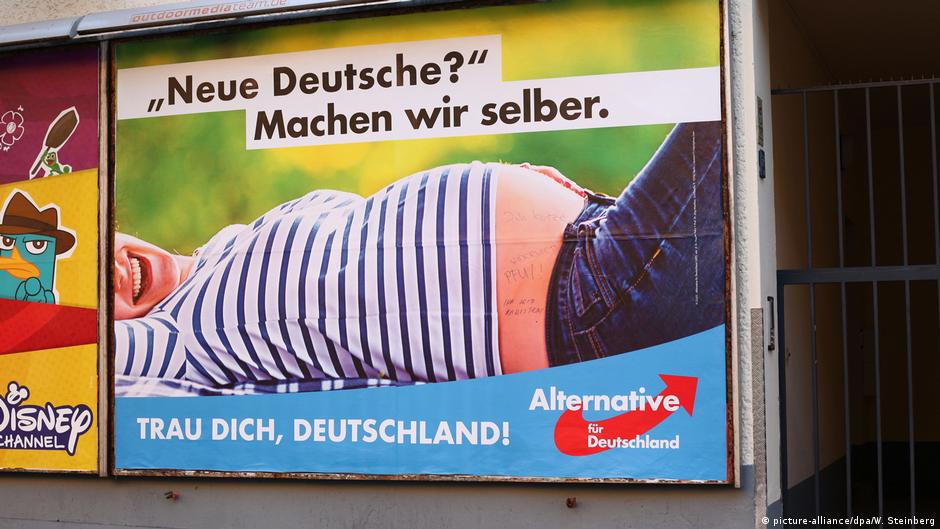
Rise of "Alternative" Party in Saxony-Anhalt Raises Concerns Among Turkish Community in Germany
Members of the Turkish community express fears over rising far-right extremism while asserting that Germany still needs foreign workers

Calls to Withdraw Secret Military Plan in Saxony-Anhalt Amid Fears of Leaks to Russia
The Alternative for Germany party's victory in the German state has sparked an unprecedented security controversy over access to sensitive defense documents

Knobloch: The Shadow of the Nazi Era Looms Again Over Daily Life in Germany
Prominent figure in German Jewish life warns of rising antisemitism following the Alternative for Germany party's victory in state elections
Comments
Loading comments…