Japan: Government Strengthens Measures to Control Fuel Prices
Tokyo has released massive aid in response to rising fuel costs linked to the Middle East conflict, while seeking to diversify its supply sources.
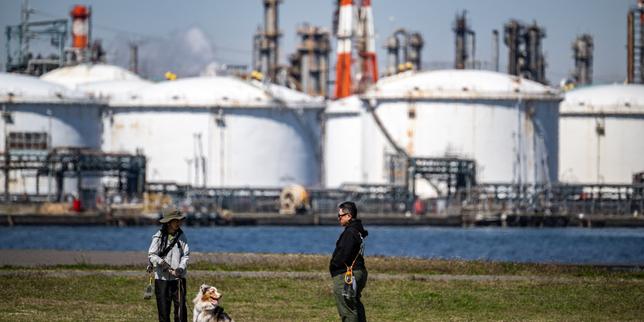
The Japanese government has announced new measures to contain the rise in the price of gasoline, fueled by tensions linked to the conflict in the Middle East. Tokyo has released massive financial aid intended to limit the impact of this increase on households and businesses.
In parallel with this aid, the Japanese authorities are seeking to diversify their sources of fuel supply, in order to reduce their dependence on a region of the world marked by instability.
However, these measures come in a tense budgetary context. The subsidies granted to contain prices at the pump risk widening Japan's already large public deficit, as well as the country's trade deficit, which is highly dependent on energy imports.
The government must therefore arbitrate between protecting households' purchasing power in the face of soaring energy prices and preserving its budgetary and trade balances.
Sources
EGazette summarizes reporting from multiple sources; follow the links for the originals.
Related articles

Europe: Toward Banknotes Adorned with Birds and Rivers?
The European Central Bank is consulting European citizens on future designs for currency, with possibilities centered around birds and waterways.

Sudan: war fuels galloping inflation
Since the beginning of the summer, the Sudanese pound has lost nearly half of its value in areas controlled by the army, sending the prices of basic necessities soaring.

Iranian President Responds to Trump at UN: "We Have Been Victims of Terrorism"
Massoud Pezeshkian stated before the General Assembly that Iran had suffered from terrorism, referring to the American-Israeli offensive against his country.

Sudan: Economic Crisis Worsens Since Start of War
Since summer, the Sudanese pound has lost nearly half its value in areas controlled by the military, worsening the economic crisis linked to the war.

OECD warns Australia will struggle to bring inflation below 3% as Qantas strike disrupts services
More than 600 Qantas ground crew began a 24-hour strike as the OECD flagged persistent inflation pressures in Australia.

UK Defence Contractors Pledge 40,000 Apprenticeships and Jobs Annually
Wes Streeting says the commitment reflects a 'ministry for growth' approach as Labour links higher defence spending to domestic job creation.
Comments
Loading comments…