Italy passes new school rules banning face coverings, capping non-Italian speakers
The government led by Prime Minister Giorgia Meloni approved regulations that bar face-covering garments such as the burqa in schools and limit the number of students who are not fluent in Italian.
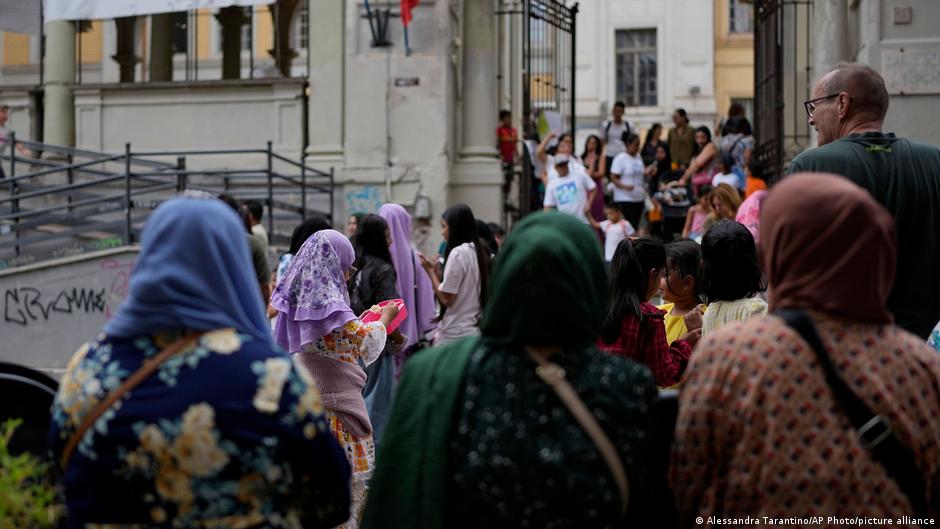
Italy's government, led by Prime Minister Giorgia Meloni, has passed new rules for the country's schools that ban face-covering garments, including the burqa, and place limits on the number of students who do not speak fluent Italian in individual classrooms.
The measures form part of a broader set of school regulations approved by the government and mark one of the more prominent education policy changes introduced under Meloni's administration.
Rules target face coverings and language fluency
Under the new rules, face coverings such as the burqa will be prohibited in Italian schools. The government has also introduced caps on the proportion of students in a class who are not fluent Italian speakers, a move that appears aimed at addressing concerns about integration in classrooms with large numbers of foreign-born pupils.
Officials have not detailed how the caps will be enforced in practice or what alternative arrangements, if any, will be made for students affected by the new limits.
The policy is likely to draw both support and criticism, reflecting the wider European debate over religious dress, secularism in public institutions and the integration of immigrant communities into national school systems.
Further details on implementation, including timelines and any exemptions, have not yet been published.
Sources
- Italy to ban burqa in schools, limit foreign pupils — Deutsche Welle — English
EGazette summarizes reporting from multiple sources; follow the links for the originals.
Related articles

Meloni government bans burqas, caps foreign student numbers in Italian schools
The move comes as migration and integration remain a hot campaign issue ahead of Italy's 2027 election.
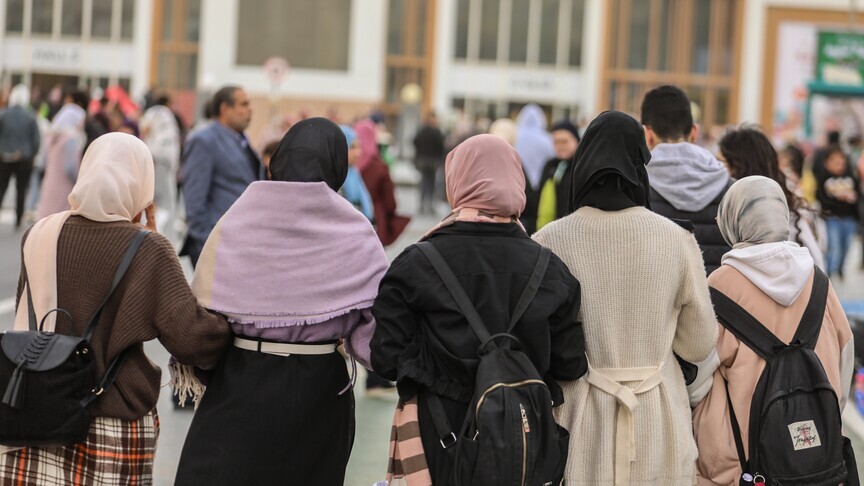
Italy approves school decree banning burqa, capping number of foreign pupils
The government says the measures aim to promote integration and prevent classrooms it described as 'ghetto-like.'
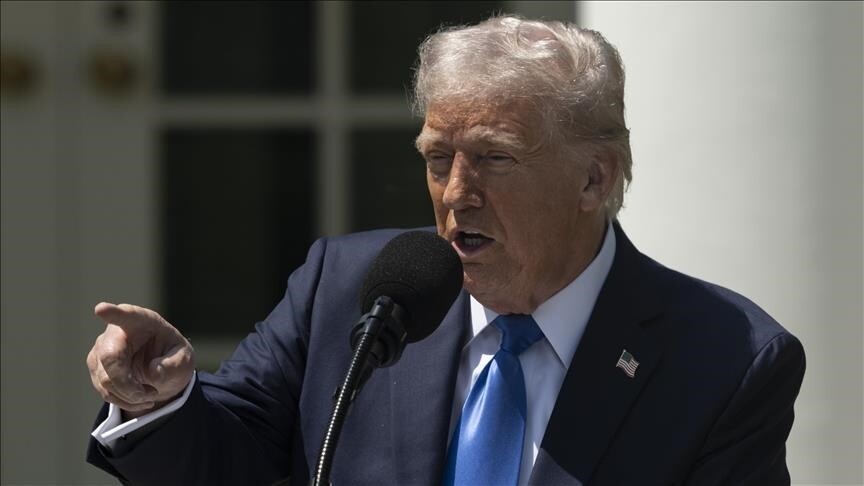
Trump administration asks Supreme Court to allow deportations to countries with troubling human rights records
US Solicitor General D. John Sauer argues a lower court ruling has caused significant practical difficulties for immigration authorities.
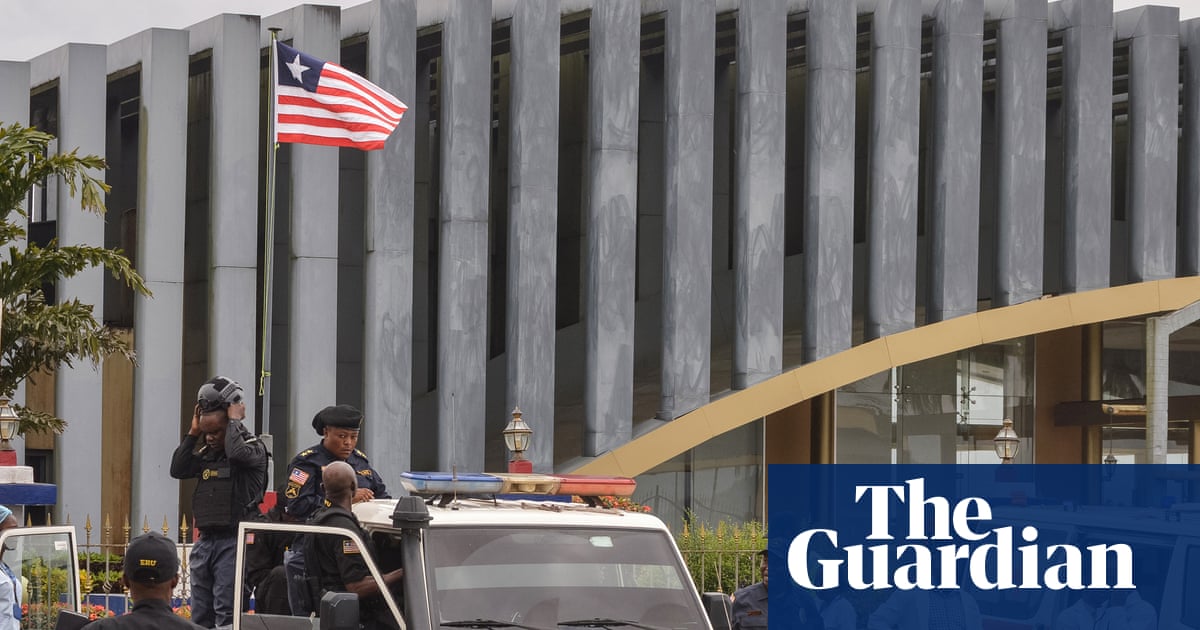
Trump officials ask Supreme Court to allow third-country deportations
Attorney General Todd Blanche is seeking to overturn a lower court ruling that had halted deportations of immigrants to countries other than their own.

Far-right activist charged over alleged dinghy slashing in English Channel
Daniel Thomas, 37, faces a criminal damage charge and an additional charge for allegedly refusing to disclose his phone pin to police.
America's Cup: Luna Rossa Sets Early Pace as Preliminary Regatta Opens in Naples
The Italian team led practice races as excitement builds ahead of the Preliminary Regatta in Naples, ANSA reports.
Comments
Loading comments…