Italian Government's Cap on Foreign Pupils Met With Scepticism at School Gates in Rome
Proposed fines for parents who skip language courses are seen by some as excessive, according to ANSA.

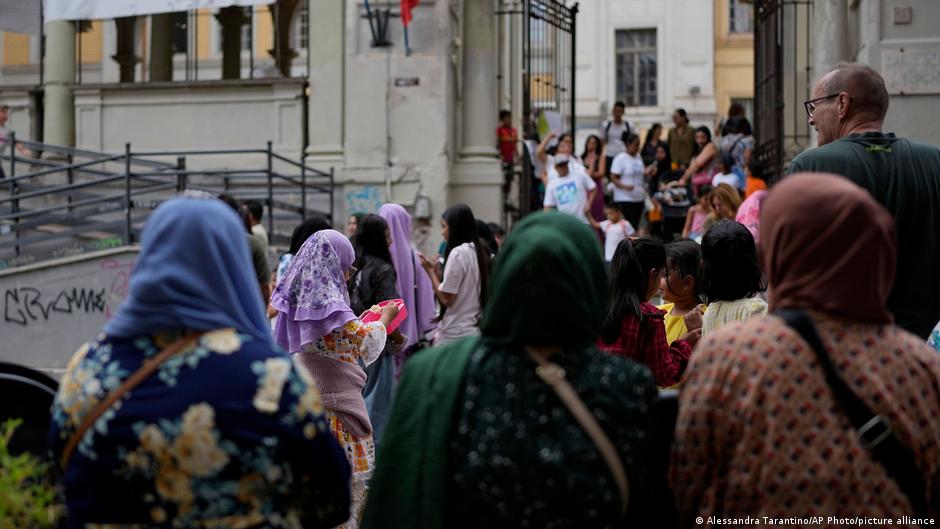
A government measure capping the number of foreign-born pupils in Italian school classes has met with scepticism among parents at school gates in Rome, according to Italian news agency ANSA.
The policy, as described in the report, would also introduce fines for parents who do not attend mandated language courses, a provision some parents interviewed characterized as excessive.
The report did not specify the exact threshold or percentage cap being proposed for foreign-born pupils in individual classrooms, the amount of the fines under consideration, or the current legislative status of the measure, including whether it has been passed into law, remains a proposal, or is under parliamentary debate.
Debates over the integration of migrant and foreign-born children into the Italian school system have featured prominently in national policy discussions in recent years, as Italy, like several other European countries, has grappled with rising numbers of migrant arrivals and questions over resource allocation, language support, and classroom composition in schools with high proportions of non-native Italian speakers.
Supporters of measures similar to the one described typically argue that caps and mandatory language instruction help ensure adequate integration and educational outcomes for foreign-born students, while critics often contend that such measures can stigmatize immigrant families and impose administrative and financial burdens without necessarily improving educational results.
The report did not include a formal government statement defending the policy's design, nor comment from opposition politicians or education officials beyond the parents' reactions described.
Sources
EGazette summarizes reporting from multiple sources; follow the links for the originals.
Related articles
Italy passes new school rules banning face coverings, capping non-Italian speakers
The government led by Prime Minister Giorgia Meloni approved regulations that bar face-covering garments such as the burqa in schools and limit the number of students who are not fluent in Italian.

America's Cup: Luna Rossa Sets Early Pace as Preliminary Regatta Opens in Naples
The Italian team led practice races as excitement builds ahead of the Preliminary Regatta in Naples, ANSA reports.

Kremlin Calls EU Sanctions on Former RT France Bureau Chief 'Pressure on Media'
Moscow criticized the European Union's sanctions targeting Ksenia Fyodorova, the former RT France bureau chief, after Brussels accused her of "information manipulation," TASS reports.
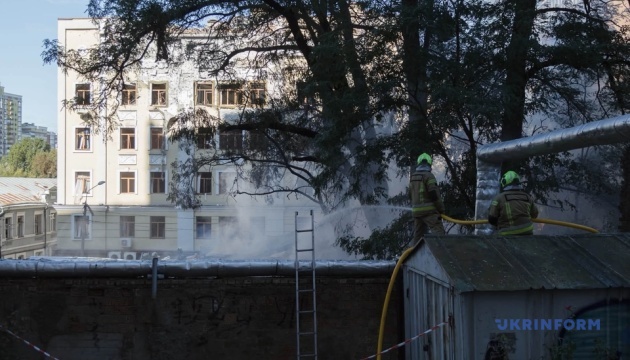
Injury Toll From Russian Drone Attacks on Kyiv Rises to 20 as 14-Year-Old Is Killed
Ukraine's state news agency reports a 14-year-old boy died and 20 people were injured in Russian drone strikes on Kyiv on September 25.
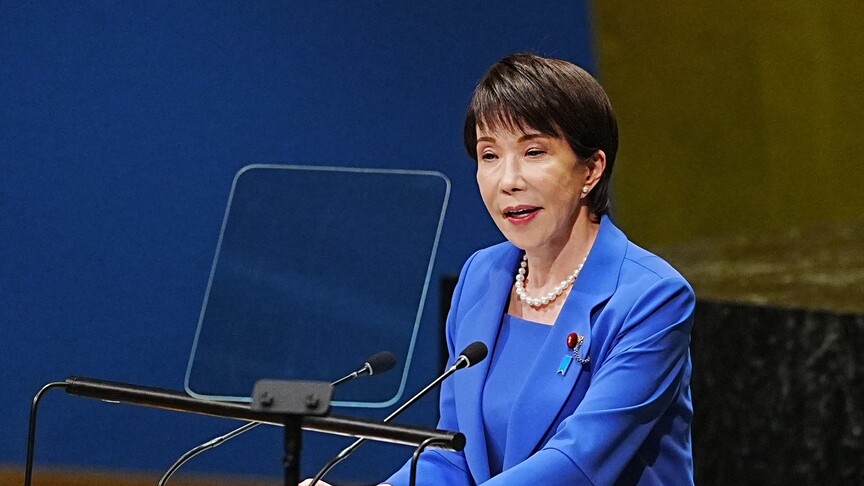
Japan's PM Takaichi Touts 'Very Strong Ties' With US After Trump-Xi Meeting
Takaichi said she had "no comment" on the meeting between Donald Trump and Xi Jinping, Anadolu Agency reports.
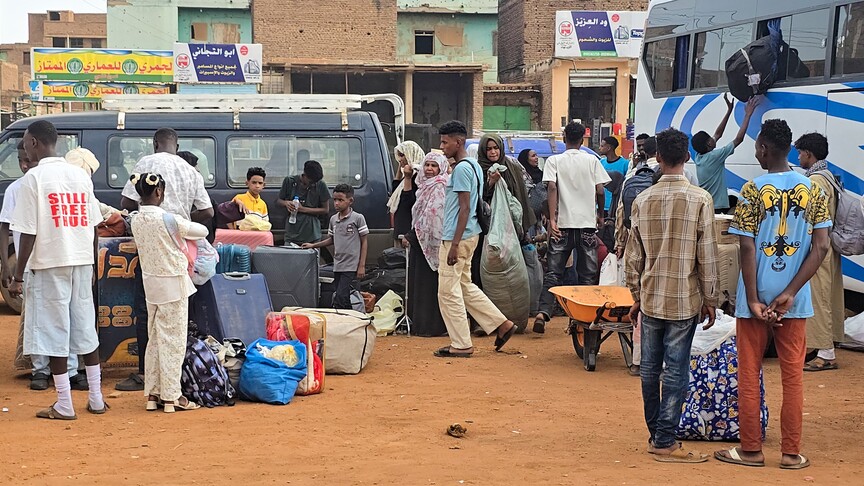
Over 55,000 Sudanese Refugees Have Fled to Chad This Year, UN Says
Daily arrivals have surged past 400 in the past week as fighting and insecurity worsen in Sudan, according to Anadolu Agency, citing the UN refugee agency.
Comments
Loading comments…