Human Brain Organoids Form Active Neural Circuits When Transplanted Into Mouse Brains
Scientists report that lab-grown clusters of human brain cells can integrate with rodent brain tissue, opening new avenues for studying neurological disorders
Researchers have successfully transplanted human brain organoids—small, lab-grown clusters of brain tissue derived from stem cells—into the brains of mice, where they formed active neural circuits that meshed with the host animal's existing neural networks, according to a report published by Scientific American.
The organoids, which are grown in laboratories from human stem cells and can develop structures resembling regions of the brain, were shown to integrate functionally with mouse brain tissue after transplantation, the report said. This integration allowed the human cells to connect and communicate with surrounding mouse neurons, forming circuits that appeared to be biologically active.
According to the report, the technique offers researchers a new tool for investigating a range of neurological and psychiatric conditions, including autism and dementia, by allowing scientists to study human brain cells functioning within a living biological system rather than in isolation in a petri dish.
Brain organoids have become an increasingly important tool in neuroscience research in recent years, as they allow scientists to model aspects of human brain development and function without direct experimentation on human subjects. However, organoids grown in isolation have limitations, as they lack the complex connections and sensory inputs found in a full living brain.
By transplanting the organoids into mouse brains, researchers aim to overcome some of these limitations, potentially enabling more realistic studies of how human neural circuits develop, function, and are affected by disease, the report indicated.
Scientific American did not specify additional details in the excerpt reviewed, including the specific research team, institutions involved, or the study's publication venue. Further findings and methodological details are expected to be included in the full report.
Sources
- Human brain organoid transplants mesh with mouse brains, forming active neural circuits — Scientific American
EGazette résume des articles de plusieurs sources ; suivez les liens pour les originaux.
Articles liés

Des scientifiques font cultiver des cellules cérébrales humaines dans des souris, soulevant de nouvelles questions éthiques
Une nouvelle technique permet aux chercheurs d'implanter des cellules cérébrales humaines dans des souris pour étudier des maladies comme la paralysie cérébrale, ce qui pousse les bioéthiciens à se demander si ces animaux devraient être traités différemment en conséquence.

Des chercheurs de Stanford créent des souris dotées de cellules cérébrales humaines dans une avancée génétique
Selon un rapport de la BBC Science & Environnement, les scientifiques affirment que des souris génétiquement modifiées peuvent désormais recevoir et fonctionner avec des cellules cérébrales humaines.

L'Agence spatiale européenne lance deux satellites pour surveiller le changement climatique
Les nouveaux satellites aideront les scientifiques à étudier les effets du changement climatique, l'un des instruments étant dédié à l'observation de la vie végétale

Découverte exceptionnelle de fossiles dénisoviens dans une grotte du sud-ouest de la Chine
Des restes rarissimes de ces « cousins » asiatiques de l’homme de Néandertal ont été mis au jour aux côtés d’outils en pierre, offrant un éclairage inédit sur leur mode de vie.

L'image astronomique du jour de la NASA met en avant une analemme au-dessus des pierres de Callanish en Écosse
L'édition du 20 septembre 2026 de la célèbre série APOD de la NASA présente une image composite montrant le trajet annuel du soleil au-dessus des anciennes pierres de Callanish.
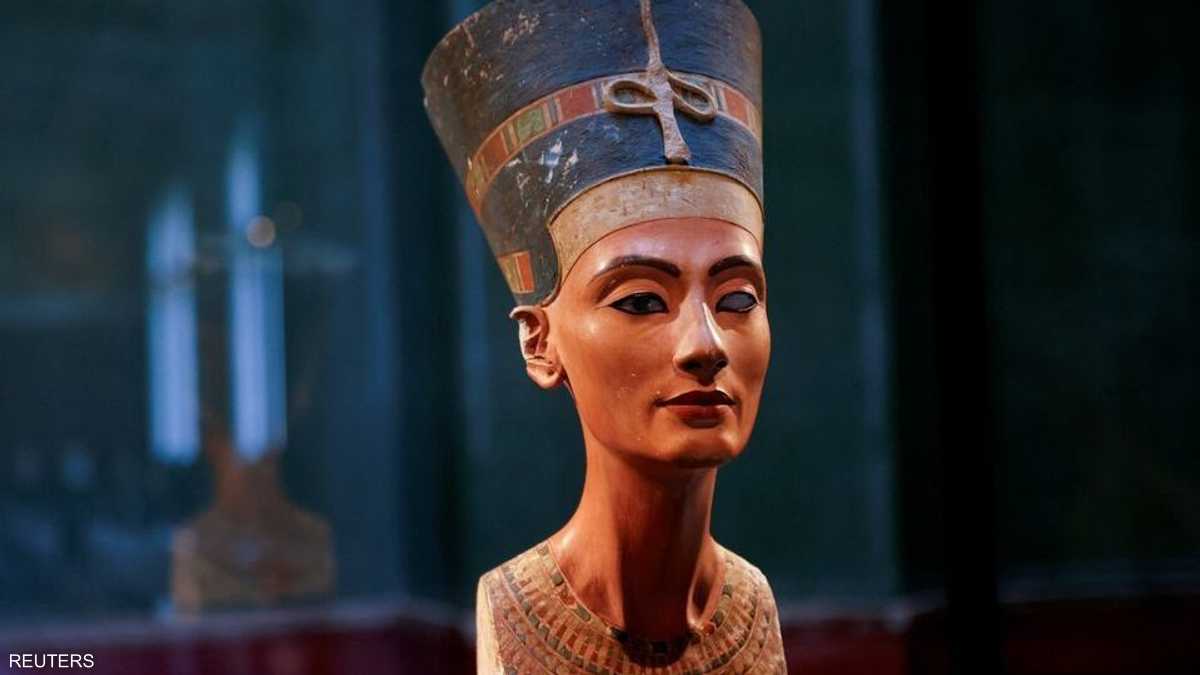
De nouvelles preuves archéologiques révèlent des passages secrets derrière le tombeau de Toutânkhamon
Une étude archéologique rouvre le dossier du tombeau perdu de la reine Néfertiti après la détection d'indices pointant vers l'existence de chambres et de passages non découverts derrière les murs du tombeau du jeune pharaon dans la Vallée des Rois
Comments
Loading comments…