How the UN General Assembly is gaining prominence amid Security Council gridlock
Deadlock in the Security Council and a more multipolar world are shifting political weight toward the wider assembly.
The United Nations General Assembly is gaining greater political prominence as gridlock in the Security Council and an increasingly multipolar international system shift diplomatic weight toward the broader body, according to analysis of recent UN sessions.
The Security Council, whose five permanent members hold veto power, has frequently struggled to reach consensus on major crises in recent years, including the war in Ukraine and conflicts in the Middle East, as disagreements among permanent members have repeatedly blocked binding action.
By contrast, the General Assembly, where all 193 member states have a vote and no veto exists, has increasingly become a venue where countries express positions and build coalitions on major global issues, even though its resolutions are generally non-binding compared with Security Council decisions.
A shifting balance of influence
The growing emphasis on the General Assembly also reflects broader shifts in global power, with a wider range of countries beyond the traditional major powers seeking greater influence over international diplomacy, a trend often described as emerging multipolarity.
This dynamic has made General Assembly sessions, including the annual high-level debate in New York, an increasingly important stage for governments to signal positions and build international support, even as the Security Council remains the UN's primary body for binding decisions on peace and security matters.
Sources
- How and why the UN General Assembly is gaining prominence — Al Jazeera — All
EGazette summarizes reporting from multiple sources; follow the links for the originals.
Related articles
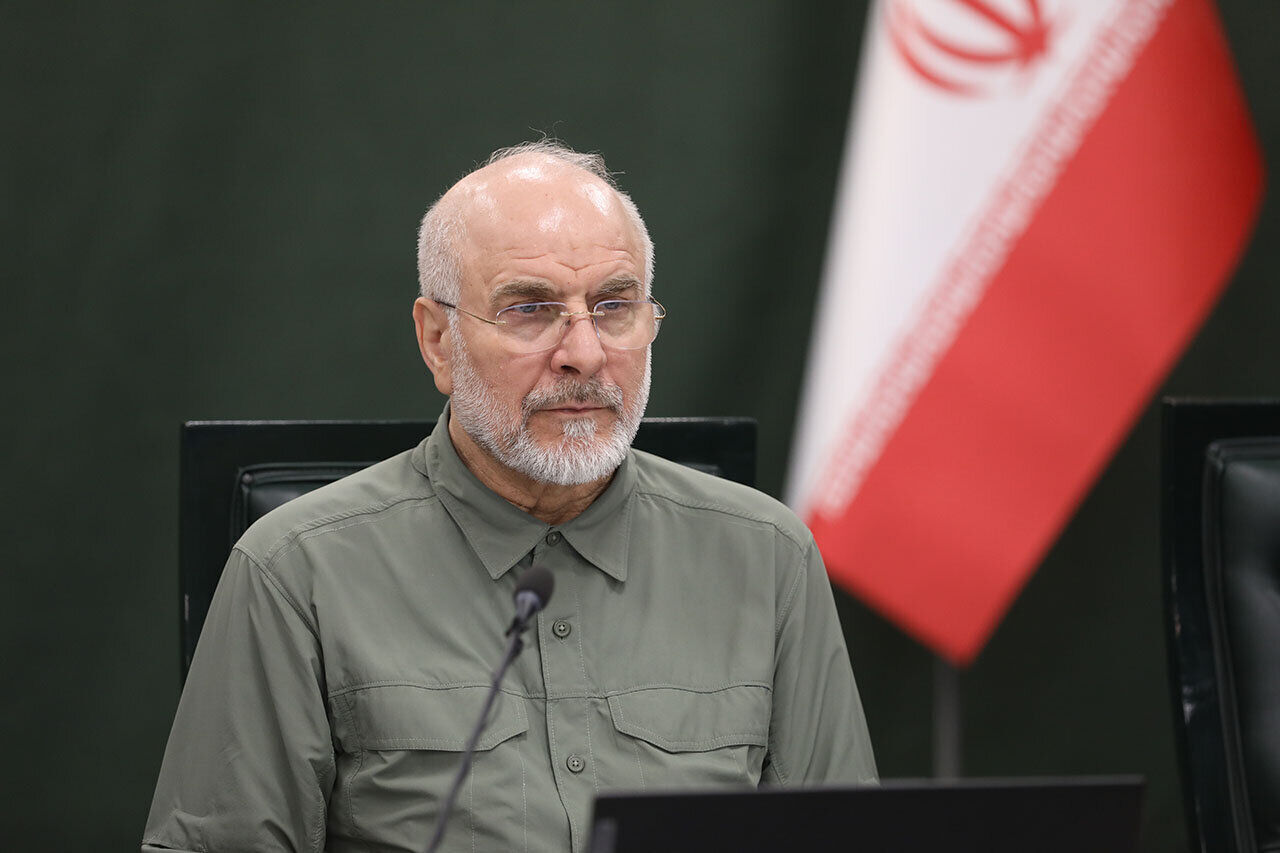
Iran's parliament speaker praises Pezeshkian's UN address on nation's ancient civilization
Mohammad Bagher Ghalibaf said President Masoud Pezeshkian's speech to the UN General Assembly reflected Iran's national strength and its 3,000-year-old civilizational heritage.

Iran Will 'Never Bend at the Knee,' Pezeshkian Tells UN in Wartime Address
Iranian President Masoud Pezeshkian accused the US of terrorism against Iran while calling for diplomacy, France 24 reported.
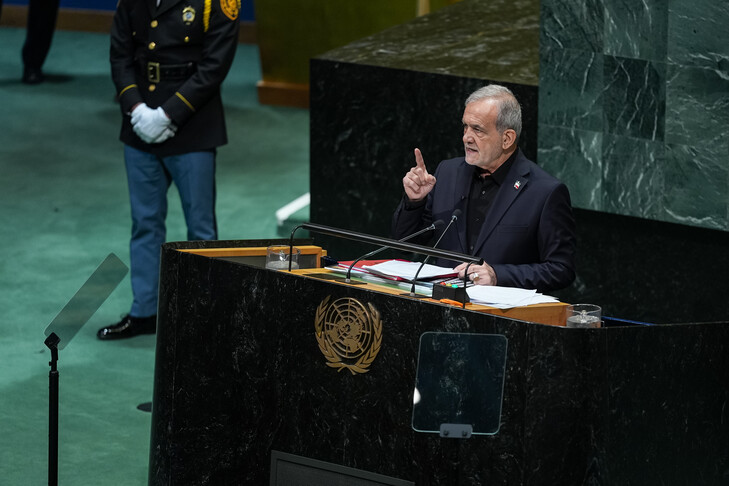
Pezeshkian Tells UN Iran Open to Talks but Rejects 'Language of Force'
Addressing the UN General Assembly, the Iranian president said Iran is not pursuing nuclear weapons but insists on its right to peaceful nuclear technology.
Iran's Pezeshkian Says Iranians Have Been 'Victims of Terrorism' by US, as Delegation Walks Out
Iranian President Masoud Pezeshkian said his country has only defended itself, in remarks to the UN General Assembly during which a US delegation walked out.

US Declines to Join Anti-Russian Statement on Ukraine at UN
The statement, read by EU foreign policy chief Kaja Kallas and Ukrainian Foreign Minister Andrey Sibiga, was not joined by Washington.
51 Countries Sign Declaration Urging Russia to Accept Immediate Ceasefire in Ukraine
The declaration was signed ahead of a UN Security Council meeting on Ukraine, calling for an unconditional halt to hostilities.
Comments
Loading comments…