High-Yield Savings Accounts vs. CDs: Choosing the Right Home for Your Cash
Financial guidance from CNBC Select highlights how the best savings vehicle depends on when consumers will need access to their money.

As interest rates remain elevated, consumers have more options to grow their savings, according to a report from CNBC Select. The report notes that both high-yield savings accounts and certificates of deposit (CDs) allow cash to earn higher interest than in the past, but each option suits different financial timelines.
According to the report, high-yield savings accounts are best suited for money that savers may need to access in the near term, such as emergency funds. These accounts typically offer variable interest rates and allow for more flexible withdrawals compared to other savings vehicles, the report states.
CDs, on the other hand, are described as more appropriate for savers who can commit their funds for a fixed period without needing immediate access. The report explains that CDs generally lock in an interest rate for a set term, which can range from a few months to several years, and often come with penalties for early withdrawal.
The CNBC Select report emphasizes that the choice between the two products should be guided primarily by an individual's timeline for needing the funds rather than solely by which option offers a marginally higher rate. It suggests that savers evaluate their short-term versus long-term financial goals before deciding where to place their cash.
The report is part of ongoing coverage by CNBC Select examining how shifts in the interest rate environment, including actions by the Federal Reserve, affect everyday saving and investing decisions for consumers.
Sources
- Higher rates can be good news for savers — but the best place for your cash depends on when you’ll need it — CNBC — Top News
EGazette summarizes reporting from multiple sources; follow the links for the originals.
Related articles
US National Debt Passes $40 Trillion as Era of Cheap Borrowing Ends, Report Says
A new report from Deutsche Welle examines whether investors will keep financing Washington's deficits as government debt levels reach unprecedented heights.

Stock Market Faces Test From Rate Fears and AI Safety Debate, CNBC Reports
Investors weighed the prospect of a new Federal Reserve rate-hiking cycle alongside growing questions over artificial intelligence safety, according to a CNBC report.

Fed Chair Kevin Warsh Wins Unanimous Vote to Raise Interest Rates Amid White House Pressure
The Federal Reserve, led by chair Kevin Warsh, voted unanimously to raise interest rates for the first time in three years, according to a report by The Guardian.
Fed Raises Interest Rates for First Time This Year, NPR Explainer Breaks Down the Mechanics
NPR News reports the Federal Reserve increased its benchmark rate this week, and outlines in a new explainer how the move ripples through the economy.
Bank of Japan Raises Interest Rate to 31-Year High Amid Inflation Concerns
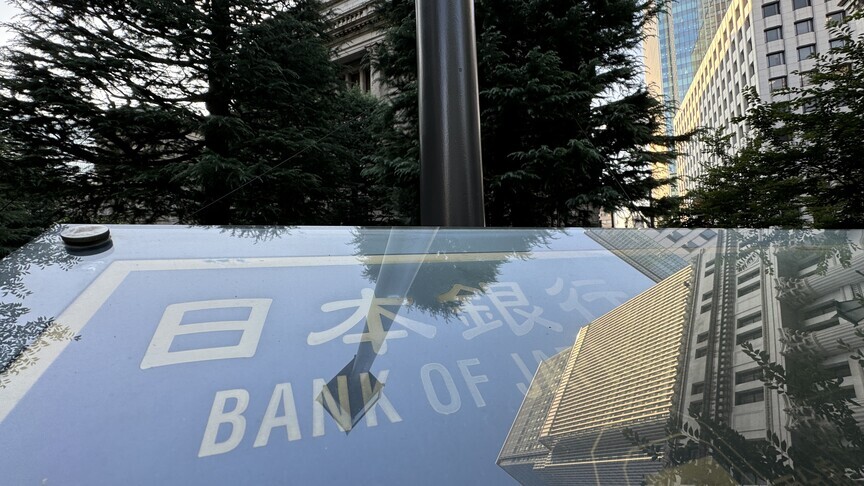
The central bank lifted its policy rate by 25 basis points to 1.25% in a split 7-2 vote, citing inflation risks, according to Anadolu Agency.

Japan Raises Interest Rate to 31-Year High Amid Inflation Concerns
The move follows a global trend of central banks tightening policy as high energy prices push up inflation, BBC Business reported.
Comments
Loading comments…