Hackers Say Flock Safety Cameras Capture Far More Than License Plates
A report by Ars Technica describes how security researchers who accessed Flock cameras found the devices logging far more data than advertised, including one unit that had stored 1.6 million images.
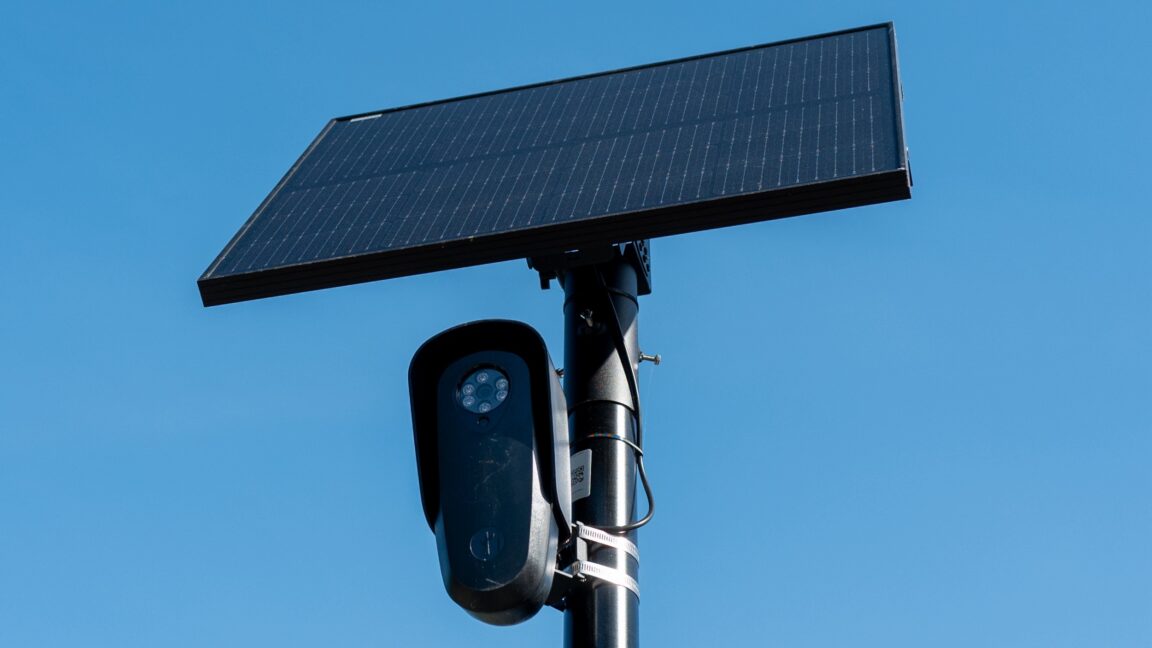
Security researchers who examined Flock Safety surveillance cameras found that the devices can capture and store far more information than the company has publicly described, according to a report published by Ars Technica.
The report said hackers who gained access to Flock camera systems discovered that the devices are capable of detecting not only vehicles and license plates but also people. One camera examined by researchers had accumulated roughly 1.6 million images, Ars Technica reported.
Flock Safety markets its automated license plate reader cameras to police departments, homeowners associations and private businesses across the United States as a tool for tracking vehicles linked to crimes. The Ars Technica report indicates that the cameras' actual data collection and detection capabilities extend beyond that marketed purpose, based on the findings of the researchers who accessed the devices.
The report did not specify further details about how the researchers obtained access to the cameras or what additional capabilities were identified beyond person detection and the volume of stored imagery. Ars Technica's account is based on the work of the hackers who examined the systems.
Flock Safety's technology has drawn scrutiny in recent years from privacy advocates concerned about the scale of vehicle and location tracking enabled by networks of automated cameras. The company has not been quoted in the excerpt of the report reviewed for this article.
This article is based on a report from Ars Technica; further details from the full investigation, including any response from Flock Safety, may provide additional context.
المصادر
يلخّص EGazette تقارير من مصادر متعددة؛ اتبع الروابط للاطلاع على الأصل.
مقالات ذات صلة
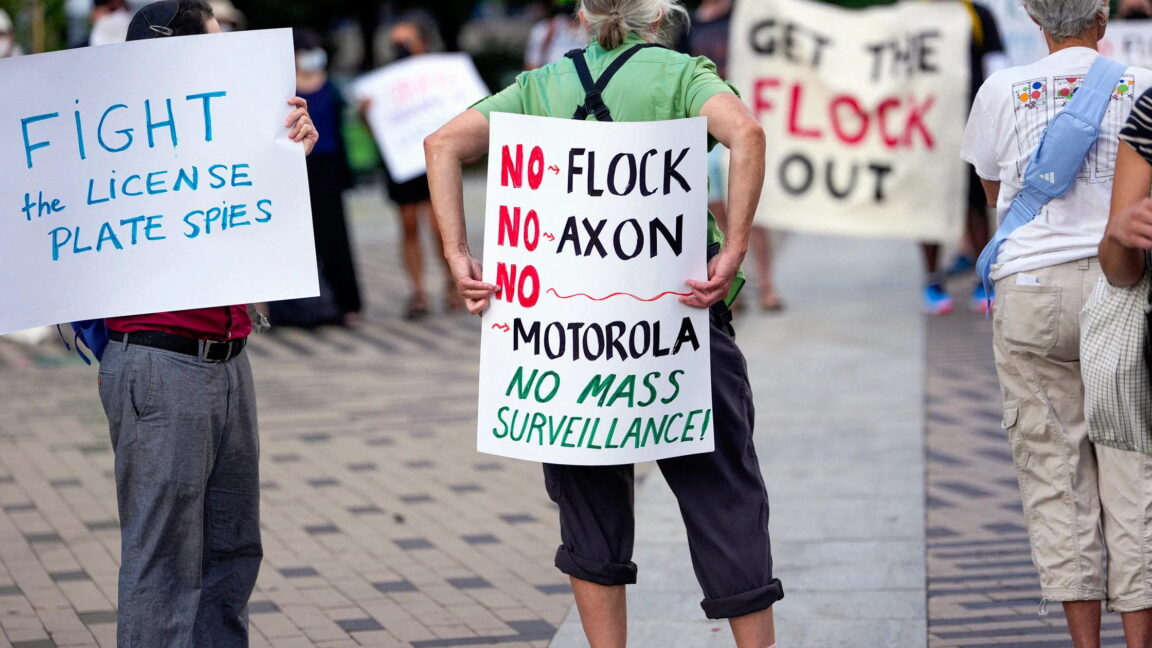
مشروع قانون ثنائي الحزب يربط تمويل الطرق السريعة بقيود على استخدام كاميرات فلوك
يقترح المشرعون تقييد كاميرات قراءة لوحات الترخيص من شركة فلوك سيفتي لأغراض أمنية عامة محددة، مستخدمين أموال الطرق السريعة الفيدرالية كأداة ضغط، وفقاً لتقرير نشرته آرس تكنيكا.
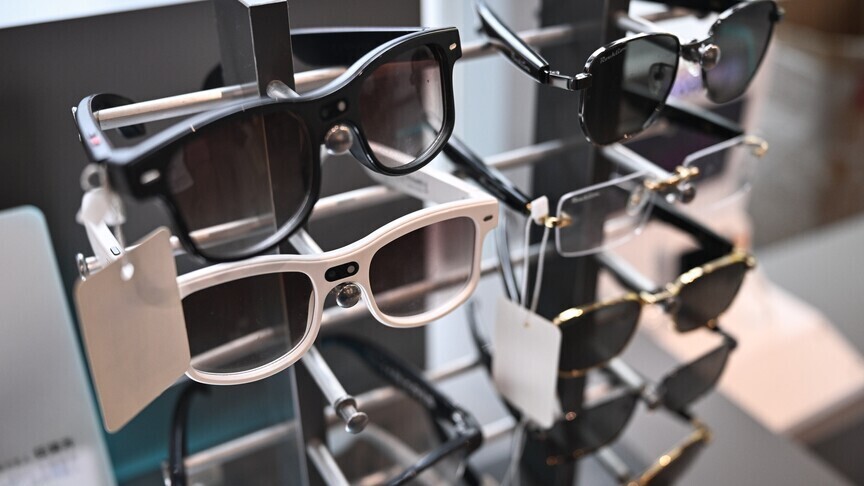
أستراليا تدرس حظر النظارات الذكية في أماكن العمل الحكومية الفيدرالية
تسعى كانبيرا للحصول على استشارات بشأن حظر النظارات الذكية القادرة على التسجيل في مكاتب الكومنولث، مستشهدة بمخاوف تتعلق بالخصوصية والأمان، وفقاً لوكالة الأناضول.

ميتا تعد نظارات ذكية بدون كاميرا وسط انتقادات حول 'نظارات الخصوصية'
وفقاً لموقع تيك كرانش، تطور ميتا نسخة من نظاراتها الذكية بدون كاميرا مدمجة، بعد مواجهة انتقادات بشأن أن أجهزتها المزودة بكاميرا تسمح بالتسجيل السري.
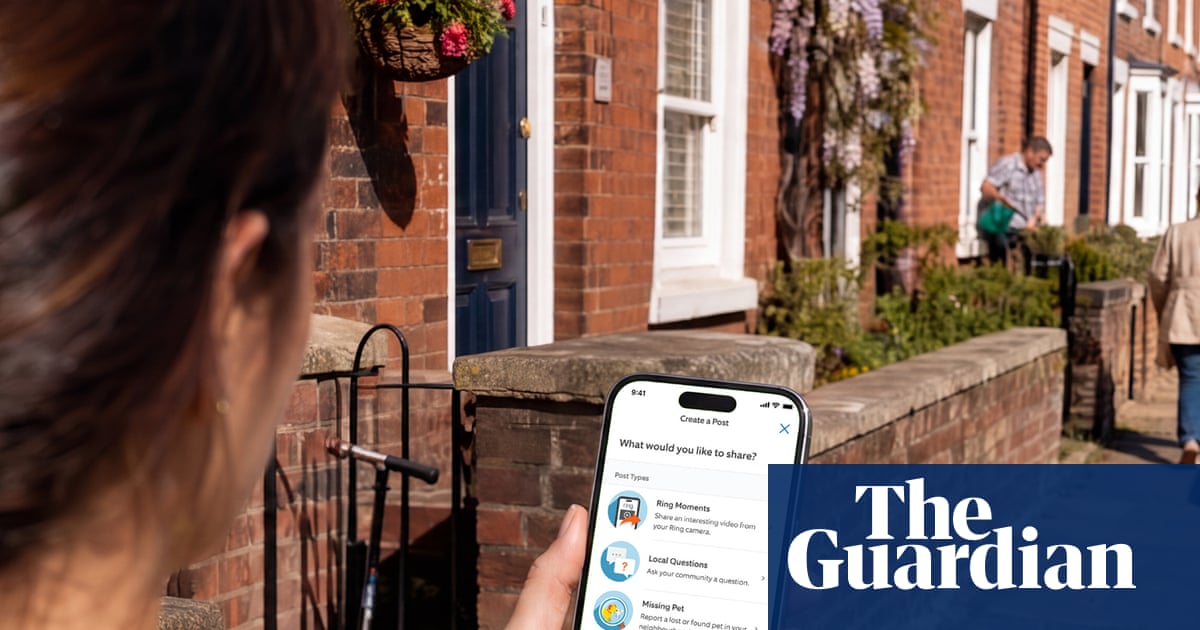
تطبيق Ring Neighbours الجديد سيطلق قريباً في المملكة المتحدة وسط قلق من الخصوصية في الولايات المتحدة
تسعى شركة صانعة كاميرات الجرس الذكي إلى استبدال مجموعات WhatsApp و Facebook بمنصة لتنبيهات السلامة المحلية ومنشورات الحيوانات الأليفة المفقودة، رغم أن أدوات مماثلة واجهت انتقادات بشأن الخصوصية في الولايات المتحدة.
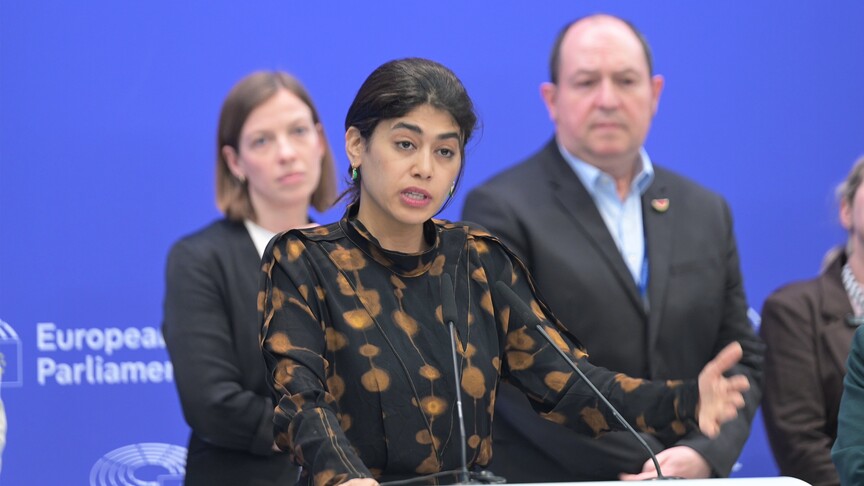
النائبة الفرنسية ريما حسن تقدم شكوى ضد وزير الداخلية بشأن مزاعم خرق السرية
تتهم حسن وزارة الداخلية الفرنسية بمراقبة هاتفها وتحركاتها بشكل غير قانوني قبل فتح أي تحقيق رسمي، وفقاً لوكالة الأناضول.
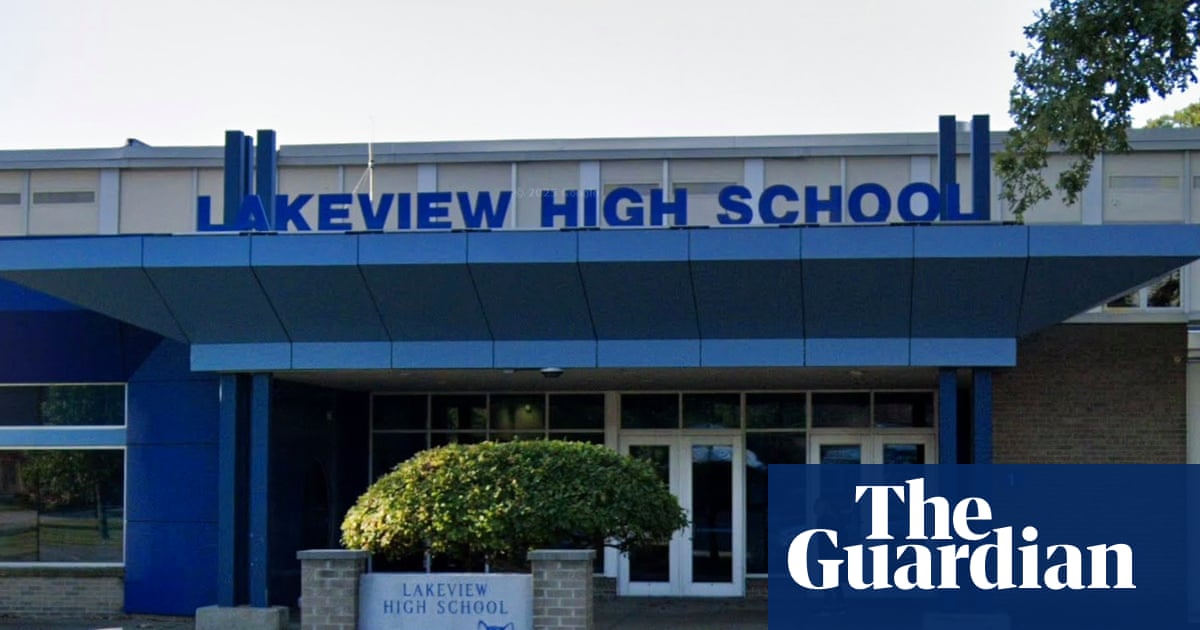
مدرسة ثانوية بميتشيغان تواجه انتقادات حول سياسة صالة الألعاب تتطلب الكشف عن دورات الحيض
ينتقد الآباء والمدافعون عن الحقوق سياسة مدرسة ليكفيو الثانوية التي تتطلب من الطالبات الإفصاح عن تفاصيل دوراتهن الشهرية لتعويض دروس السباحة الفائتة.
Comments
Loading comments…