Guardian Editorial: Final 'Seven Up!' Installment Raises Questions About Growing Up on Camera
The documentary series that has followed a group of Britons since childhood is concluding with '70 Up', prompting reflection on the ethics of lifelong filming, according to the Guardian.
A Guardian editorial reflected on the conclusion of the Seven Up! documentary series, which began in 1963 when a television crew filmed 14 British children, an idea originated by researcher Michael Apted to explore the country's class system by juxtaposing children from different backgrounds.
According to the editorial, Apted returned every seven years to update the series, and what emerged over the decades proved more piercing than initially envisaged, touching on life broadly rather than class alone. The final installment, 70 Up, is currently being shown in two parts on ITV; the Guardian noted that two of the original participants and Apted himself have died, and that participant Nick Hitchon gave a final interview days before his death.
The editorial said the closing episodes, directed by Asif Kapadia, capture both hardships and joys experienced by the participants over their lives, without offering simple narratives of redemption or tragedy.
Sources
- The Guardian view on the last instalment of the Seven Up! series: growing up in public | Editorial — The Guardian — Opinion
EGazette summarizes reporting from multiple sources; follow the links for the originals.
Related articles
Prince Harry Reportedly in Talks for Documentary on Princess Diana
According to the Telegraph, the Duke of Sussex is said to want the project to mark the 30th anniversary of his mother's death.
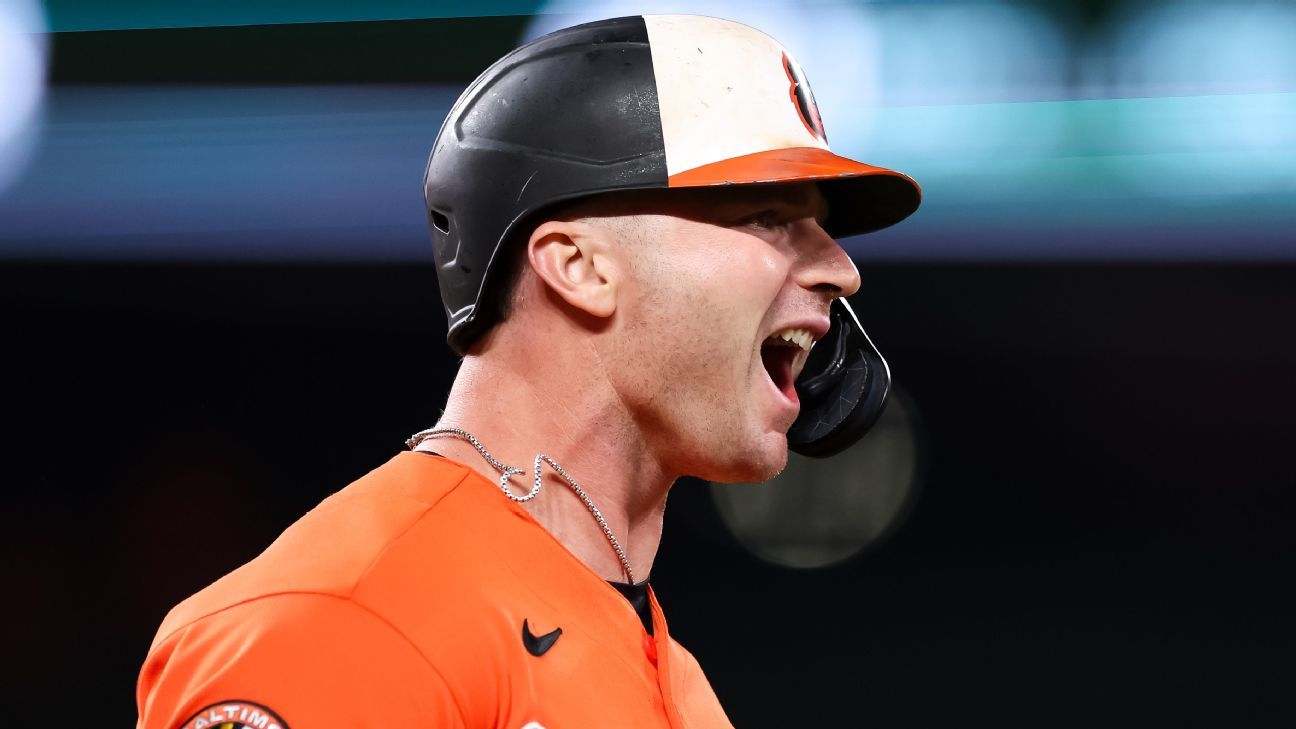
Report: Birthday bashes: Alonso changes tune, reaches 40 HRs as son turns 1
A report from ESPN sets out the main available details, with claims kept attributed to their sources.

Report: Rubio defends Trump’s White House ban on CNN, MS NOW and Politico
A report from Al Jazeera — All sets out the main available details, with claims kept attributed to their sources.

Report: Earl Spencer apologises to Piers Morgan over ‘incorrect assumption
A report from The Guardian — World sets out the main available details, with claims kept attributed to their sources.
Report: Magritte: This Is Still Not a Pipe review – brilliance and trash from the surrealist who sent up Freud
A report from The Guardian — Culture sets out the main available details, with claims kept attributed to their sources.

Report: Catarina and the Beauty of Killing Fascists review – It caused fury across Europe. In the UK? Laughter and coughing
A report from The Guardian — Culture sets out the main available details, with claims kept attributed to their sources.
Comments
Loading comments…