Guardian Columnist Questions Trump's Commitment to GOP Midterm Success
Jonathan Freedland argues in a Guardian opinion piece that President Trump may be indifferent to, or even quietly welcoming of, a Republican defeat in November's midterms.
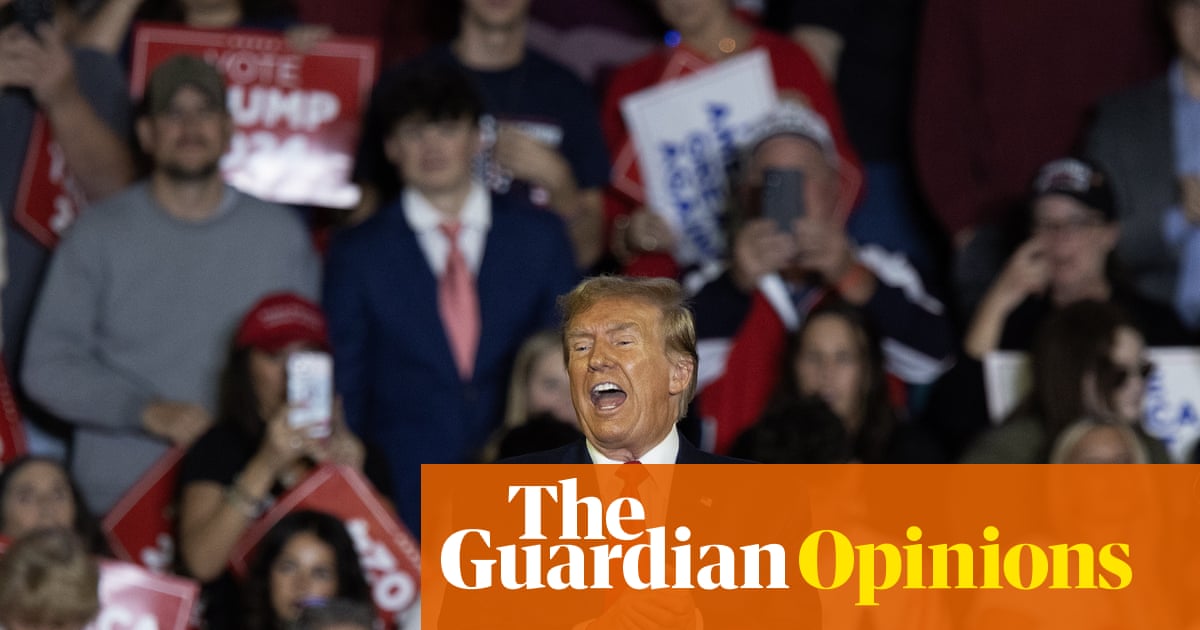
In an opinion column published by The Guardian, writer Jonathan Freedland examines what he describes as a pattern of behavior by President Donald Trump that appears to work against Republican prospects in the upcoming midterm elections, which will determine the balance of power in Congress for the next two years.
According to Freedland, the first postal ballots for the midterms were sent out on the day his column was published. He writes that Trump's conduct in the run-up to the elections is "hard to explain as anything other than calculated self-sabotage," though he does not detail specific policy actions in the excerpt.
Freedland puts forward what he calls a theory: that Trump might be unbothered by a Republican loss in November, or could even secretly desire it. He offers two possible explanations for this, according to the column, though only one is elaborated in the available excerpt.
The first reason, Freedland argues, relates to what he characterizes as Trump's narcissism. He contends that Trump would interpret a Democratic victory in the midterms as evidence of his own indispensability to the Republican Party and the country, rather than as a political setback.
Freedland also asserts that Trump's decisions as president represent what he calls "calamity for voters," a claim presented as part of his broader argument in the opinion piece.
Jonathan Freedland is a Guardian columnist. The full argument and its second stated reason were not detailed in the available excerpt of the column.
Sources
- How much does Donald Trump care about winning the midterms? Apparently, not much at all | Jonathan Freedland — The Guardian — Opinion
EGazette summarizes reporting from multiple sources; follow the links for the originals.
Related articles
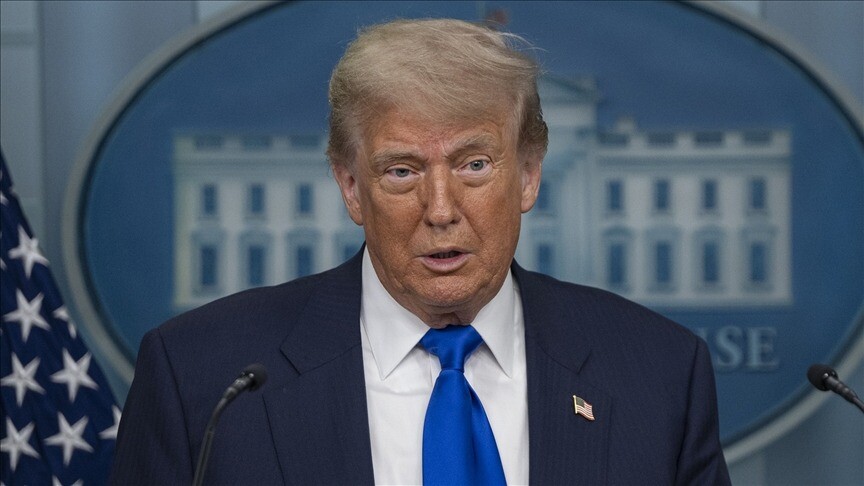
Trump Cuts Short Camp David Stay Amid Rising Middle East Tensions
President is returning to the White House as the State Department urges Americans to reconsider travel to the Middle East, according to Anadolu Agency.

United States: Republican figures distance themselves from Donald Trump ahead of midterms
As midterm elections approach, several personalities from the Republican Party are criticizing the president's immigration policy and the excesses of certain factions within the party, according to RFI.
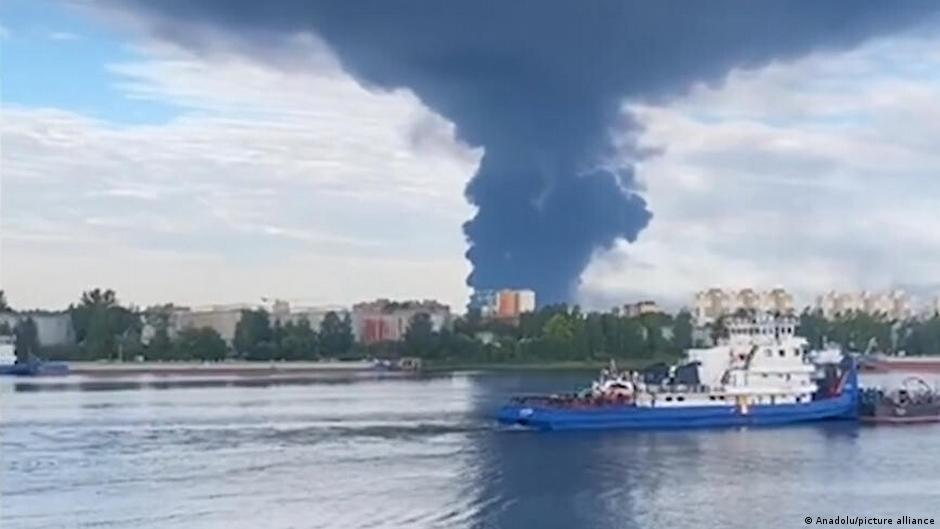
Trump Claims Russia and Ukraine Agreed to Halt Energy Attacks
Trump said both nations have agreed to stop striking energy infrastructure, though Russia and Ukraine offered no immediate confirmation.
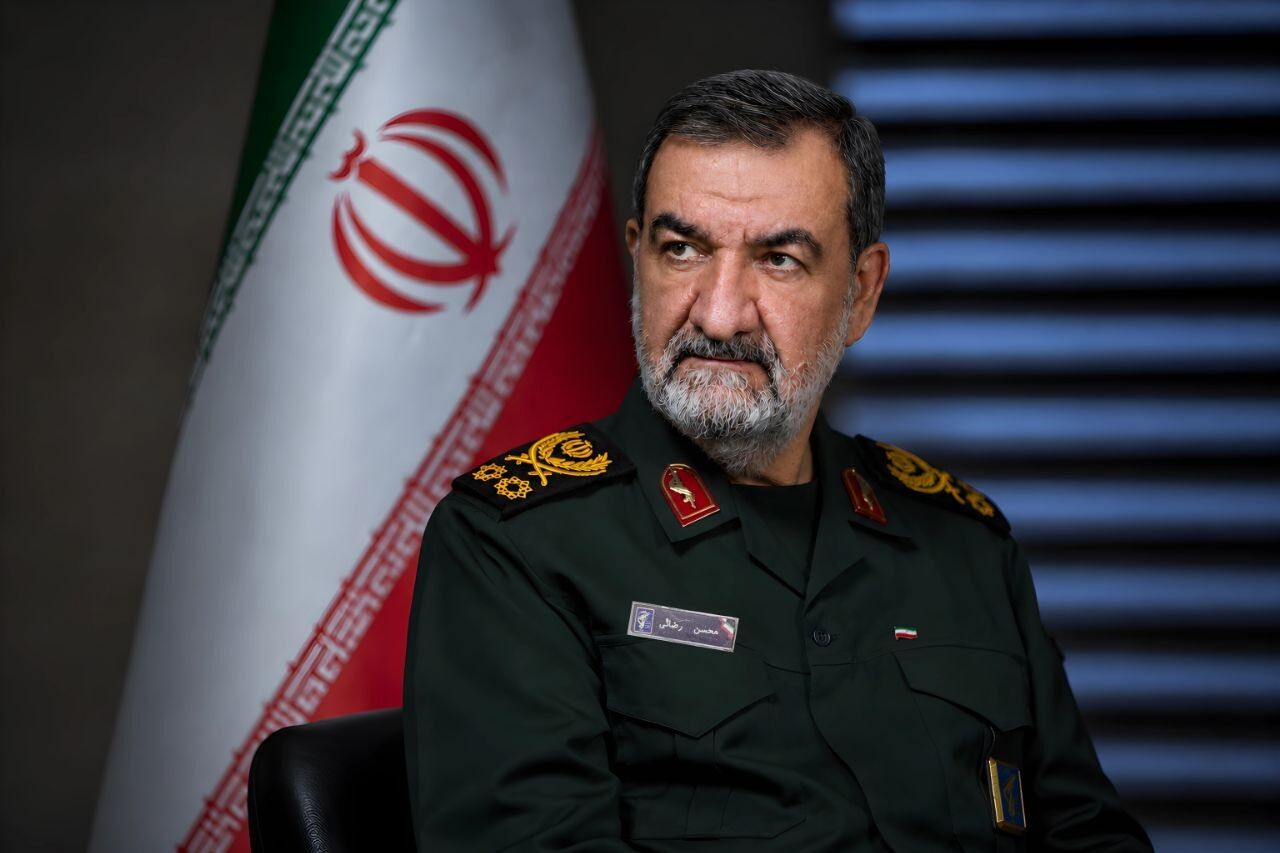
Iran Security Official Says Country Ready to Respond If US Resumes Military Action
Mohsen Rezaei, secretary of Iran's Supreme National Security Council, said Tehran is prepared to defend itself and respond forcefully to any renewed US military aggression, according to IRNA.

Trump Says US Will Create an ‘AI Force’ Modeled on Space Force
The US president did not specify whether the initiative would involve establishing a new branch of the armed forces, according to TASS.
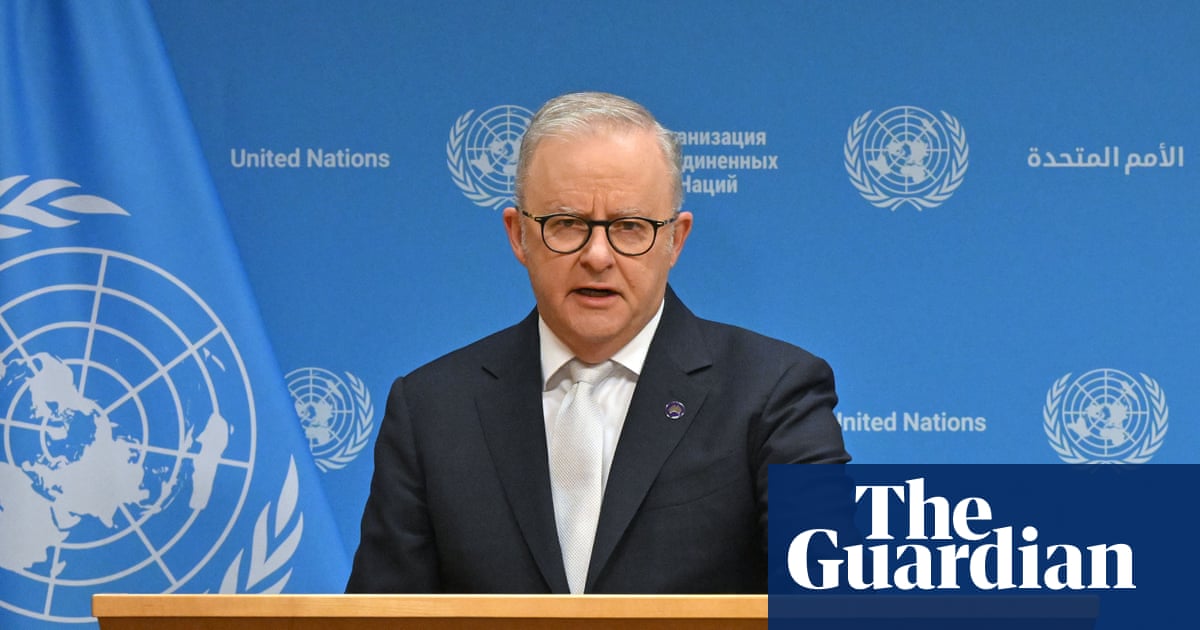
Albanese launches Australia's bid for UN Security Council seat, names former Murdoch aide as New York consul general
Prime Minister Anthony Albanese announced Australia's formal candidacy for a two-year term on the UN Security Council in 2029–2030, concurrent with appointing Siobhan McKenna, a former News Corp broadcasting executive, as consul general to New York.
Comments
Loading comments…