Greece Returns Tsar Samuel's Remains to Bulgaria in Exchange for 48 Relics
Greek Prime Minister Kyriakos Mitsotakis said the relics being returned to Greece were removed in 1917, during World War I.
Rédigé par l’IA d’EGazette. Les faits proviennent de sources citées ; l’analyse est celle de l’IA.

Greece has handed over the remains of Tsar Samuel to Bulgaria in an exchange that saw Greece receive 48 relics in return, according to Greek Prime Minister Kyriakos Mitsotakis.
Mitsotakis said the relics being returned to Greece had originally been removed in 1917, during the height of World War I, linking the exchange to a longstanding historical episode involving the movement of religious and cultural artifacts amid wartime disruption.
Tsar Samuel, a historical figure associated with medieval Bulgarian history, holds symbolic significance in Bulgarian national history, and the return of his remains is likely to be viewed as a gesture of goodwill between the two neighboring countries. Exchanges of historical remains and artifacts between nations have periodically served as diplomatic gestures that also carry cultural and religious weight domestically.
Details about where the exchanged items had been held in the intervening period, or the precise circumstances of their original removal and subsequent preservation, were not fully outlined in the available statement. Such arrangements typically involve extended negotiations between cultural, religious and governmental authorities on both sides.
The exchange is expected to be viewed positively by officials in both Greece and Bulgaria, two countries that share a border and a long, at times complex, shared history. Further details about any accompanying ceremonies or events marking the handover were not immediately available.
Sources
EGazette résume des articles de plusieurs sources ; suivez les liens pour les originaux.
Commentaires
Chargement des commentaires…
Articles liés

Sans excuse officielle, le roi Charles aborde le passé de la Grande-Bretagne dans la traite des esclaves lors de sa visite aux Caraïbes
Buckingham Palace confirme que le roi Charles abordera le rôle de la Grande-Bretagne dans la traite transatlantique des esclaves lors de sa tournée aux Caraïbes, sans présenter d'excuses officielles.
Le «sherpa» de la Russie au G20 déclare qu'aucune décision n'a encore été prise sur la participation de Poutine au sommet américain
Le sherpa russe Denis Agafonov a indiqué que la question de la participation du président Poutine au sommet du G20 de décembre restait ouverte.
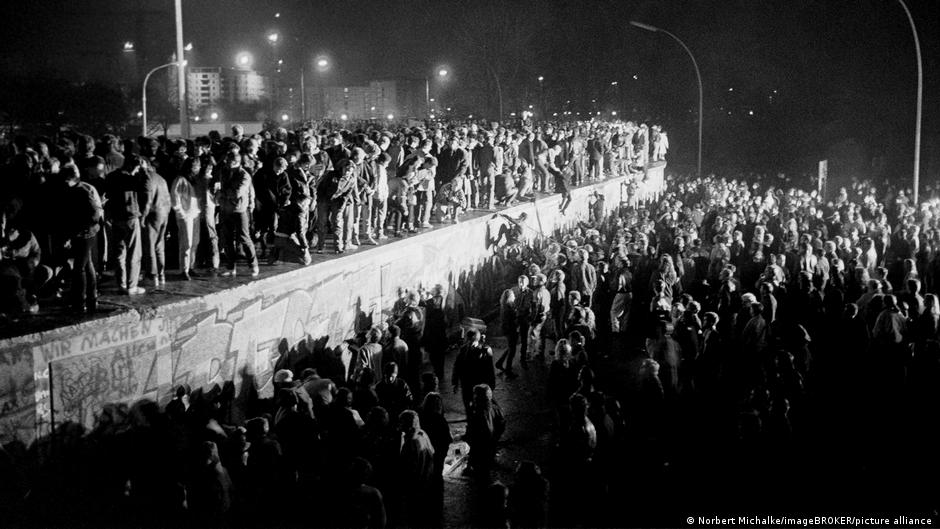
Comment des morceaux du Mur de Berlin se sont-ils répandus aux quatre coins du monde ?
Depuis sa chute le 9 novembre 1989, des fragments du Mur de Berlin sont devenus des témoignages historiques disséminés dans de nombreux endroits à travers le monde.

Deux Iraniens inculpés au Royaume-Uni pour un projet d'attaque visant la communauté juive de Manchester
Les deux hommes sont soupçonnés d'avoir préparé un attentat contre la communauté juive du nord de l'Angleterre, dans un climat de tensions entre Londres et Téhéran.

Guerre en Ukraine : la Russie frappe un pont à Kiev et menace de nouvelles frappes
Des bombardements russes ont touché le pont Pivnitchny à Kiev, deux jours après une attaque similaire sur le pont Pivdenny, selon le maire de la capitale ukrainienne.

Gaza : cinq personnes tuées dans un bombardement israélien visant un appartement à Rimal, selon la défense civile
Cinq corps et plusieurs blessés ont été transportés à l'hôpital après la frappe, qui a visé un immeuble du quartier de Rimal, à l'ouest de Gaza, selon la défense civile locale.