Google DeepMind Unveils AlphaGenome Atlas to Predict Effects of DNA Mutations
New tool from Google DeepMind aims to forecast how single genetic changes influence health, according to a report by Scientific American.

Google DeepMind has introduced a new resource called the AlphaGenome Atlas, designed to predict the effects of single changes in DNA, according to a report published by Scientific American.
The tool is intended to analyze how alterations at specific points in the genetic code could influence biological function, the report said. Scientific American described the atlas as a potential step toward better understanding genetic diseases, though the publication did not detail the full scope of clinical applications or validation studies behind the tool.
According to the report, the atlas works by predicting the impact of any single change in the fundamental structure of DNA, which could help researchers and clinicians identify mutations linked to disease risk or biological processes.
Scientific American frames the development as part of Google DeepMind's broader efforts in applying artificial intelligence to genomics and biological research. The report suggests the tool could have implications for how scientists study the relationship between genetic variation and disease, though specific data on accuracy rates, peer review status, or independent verification of the atlas's predictions were not included in the available excerpt.
Further details on the methodology, data sources used to build the atlas, and potential applications in clinical or research settings were not fully specified in the source material. Scientific American's full report may provide additional context on how the technology functions and its implications for genetic research.
Sources
- New Google DeepMind atlas could transform our understanding of genetic diseases — Scientific American
EGazette summarizes reporting from multiple sources; follow the links for the originals.
Related articles
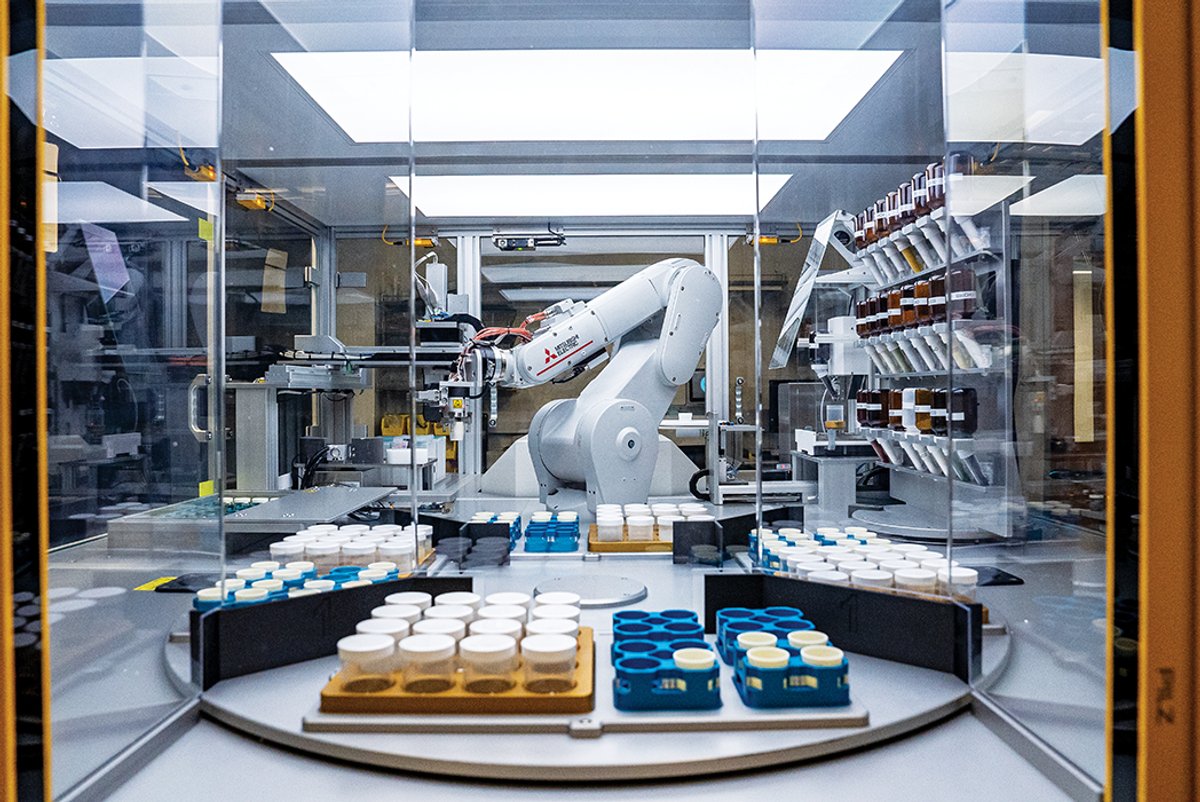
Report Finds AI Boosts Research Tasks but Lags in Lab Experiments
A new study from Google, Google DeepMind and M.I.T. shows scientists are heavily using AI tools, though the technology has yet to significantly speed up hands-on laboratory work.

OpenAI's Claimed Proof on Navier-Stokes Problem Sparks Debate Over Real-World Impact
Scientific American reports that while OpenAI's claimed proof addressing the Navier-Stokes problem is being called a mathematical achievement, practical applications remain uncertain and potentially distant.

Guardian Column Urges US-China Cooperation on AI Amid Warnings Over Pace of Development
Australian scientist Alan Finkel argues that unregulated competition between AI firms and between Washington and Beijing could threaten global stability, calling for coordinated oversight.
Trump Says US Will Create an ‘AI Force’ Modeled on Space Force
The US president did not specify whether the initiative would involve establishing a new branch of the armed forces, according to TASS.

Texas QB Arch Manning Apologizes Over Reaction to AI Video
Manning called his comment "insensitive" after reacting to an AI-generated video showing coach Steve Sarkisian appearing to slap ESPN reporter Holly Rowe.

China Pushes Back on US Warnings to Slow AI Development, Guardian Reports
Beijing officials and businesses argue calls for caution are designed to preserve America's technological lead, according to a Guardian report
Comments
Loading comments…