Global installed industrial robots surpass 5 million as AI and supply chain shifts drive growth
China led new installations in 2025, accounting for well over half of the world's added robots, as Japan fell to third place.
Written by EGazette’s AI. The facts are drawn from cited sources; the analysis is the AI’s own.
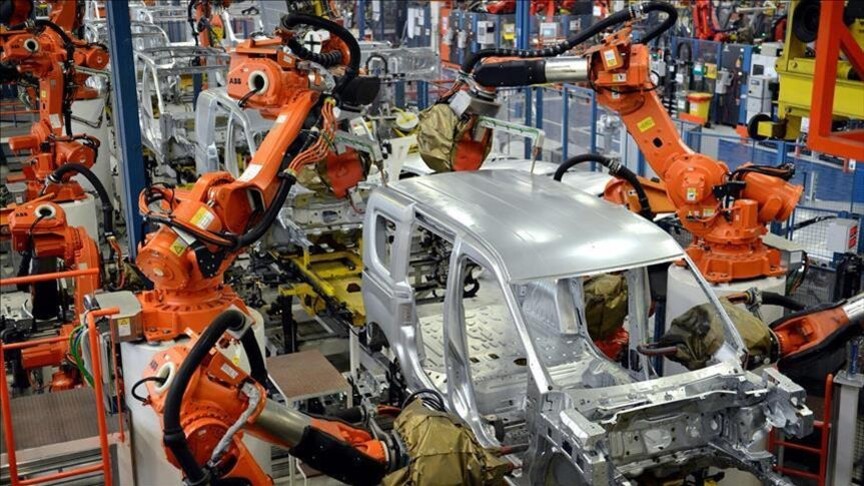
The number of industrial robots operating in factories worldwide has surpassed five million, driven by the integration of artificial intelligence and ongoing restructuring of global supply chains, according to industry data.
China led the world in new robot installations, adding 354,000 units in 2025 — a figure that accounts for 59% of the world's active industrial robot inventory added that year. The United States followed as the second-largest market for new installations.
Notably, Japan, long considered one of the pioneers and leading manufacturers of industrial robotics, fell to third place in new installations for 2025, reflecting a shift in where robotic automation is being deployed most heavily.
Industry observers point to two main drivers behind the surge: the growing integration of artificial intelligence into manufacturing processes, which has made automated systems more capable and attractive to adopt, and the restructuring of global supply chains, as manufacturers seek to diversify production and reduce reliance on single regions.
The milestone underscores the scale of automation now embedded in global manufacturing, with robots increasingly deployed not only in traditional sectors such as automotive and electronics but across a widening range of industries.
Sources
- Industrial robots working in factories surpass 5M worldwide — Anadolu Agency (Turkey)
EGazette summarizes reporting from multiple sources; follow the links for the originals.
Comments
Loading comments…
Related articles

Splice CEO Kakul Srivastava says AI-written emails are killing conversation
The head of the sample and loop platform used by producers behind hits like Sabrina Carpenter's "Espresso" discussed the issue in an interview with The Verge.

Former OpenAI safety staffer resigns, warns publicly about AI risks
David Robinson, who wrote safety reports for OpenAI's major model releases, has resigned and detailed his concerns in an editorial for The Atlantic.

TechCrunch rounds up the AI agents you can reach through text messages
The list covers general-purpose assistants as well as AI agents built for families, travel planning and work tasks, all accessible by text.

California signs new laws restricting how employers can use AI on workers
Governor Gavin Newsom signed measures barring bosses from relying solely on AI to fire employees, predict their emotional states or collect neural data.

US data center backlash offers a preview of a global fight over AI infrastructure
Rising costs tied to the AI boom are fueling pushback against data center construction in communities across Europe, Asia and beyond, echoing tensions already seen in the United States.

Meta opens up its Muse AI model for developers to build into gadgets
Meta is making its Muse technology freely available so outside developers can embed it into everyday devices, from televisions to smaller household gadgets.