California signs new laws restricting how employers can use AI on workers
Governor Gavin Newsom signed measures barring bosses from relying solely on AI to fire employees, predict their emotional states or collect neural data.
Written by EGazette’s AI. The facts are drawn from cited sources; the analysis is the AI’s own.
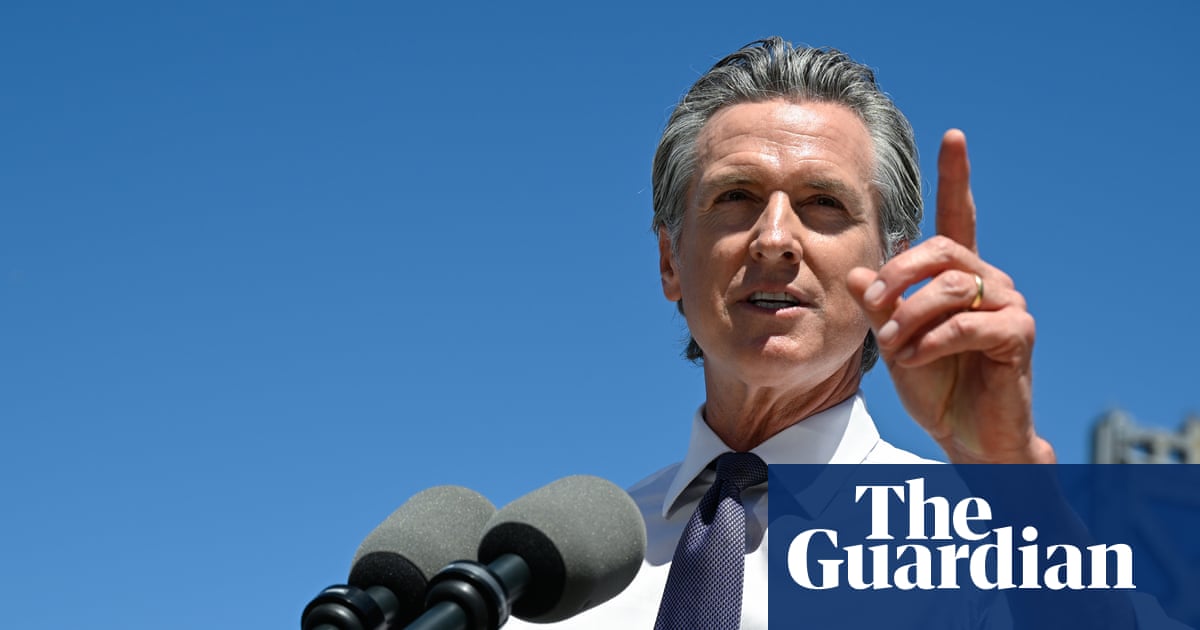
California Governor Gavin Newsom has signed a suite of new laws aimed at protecting workers from the impacts of artificial intelligence in the workplace, according to the Guardian.
The laws ban employers from relying entirely on AI systems to decide whether to fire a worker, and prohibit using AI to predict employees' emotional states or to collect neural data, meaning information derived from the electrical signals of a person's brain or nerves. The new rules also require companies to notify workers when layoffs are caused by AI, and they prohibit AI-based surveillance in workplace bathrooms.
California, home to many of the world's leading AI companies, is among the first states to roll out workplace regulations specifically targeting the technology's use in employment decisions. The move comes as the federal government has largely taken a hands-off approach to regulating AI, leaving individual states to set their own rules on how the technology can be used in areas such as hiring, firing and workplace monitoring.
Supporters of the new laws argue that as AI tools become more capable of analyzing worker behavior and even biological signals, clear limits are needed to prevent misuse and protect employee privacy and due process. The legislation reflects growing public concern over AI's expanding role in decisions that directly affect people's livelihoods.
The Guardian's report frames California's approach as a potential model for other states as calls for AI workplace regulation grow nationally, though it does not specify an effective date for the new laws or detail enforcement mechanisms.
Sources
- California’s new laws target workers’ biggest fear of AI taking their jobs — The Guardian — World
EGazette summarizes reporting from multiple sources; follow the links for the originals.
Comments
Loading comments…
Related articles
Former OpenAI safety staffer resigns, warns publicly about AI risks
David Robinson, who wrote safety reports for OpenAI's major model releases, has resigned and detailed his concerns in an editorial for The Atlantic.
TechCrunch rounds up the AI agents you can reach through text messages
The list covers general-purpose assistants as well as AI agents built for families, travel planning and work tasks, all accessible by text.
Global installed industrial robots surpass 5 million as AI and supply chain shifts drive growth
China led new installations in 2025, accounting for well over half of the world's added robots, as Japan fell to third place.

US data center backlash offers a preview of a global fight over AI infrastructure
Rising costs tied to the AI boom are fueling pushback against data center construction in communities across Europe, Asia and beyond, echoing tensions already seen in the United States.

Meta opens up its Muse AI model for developers to build into gadgets
Meta is making its Muse technology freely available so outside developers can embed it into everyday devices, from televisions to smaller household gadgets.

Arizona appeals court quashes road rage killer's sentence over AI video of victim shown in court
Judges ruled that airing an AI-generated message from the dead victim during sentencing crossed a legal line.