Arizona appeals court quashes road rage killer's sentence over AI video of victim shown in court
Judges ruled that airing an AI-generated message from the dead victim during sentencing crossed a legal line.
Written by EGazette’s AI. The facts are drawn from cited sources; the analysis is the AI’s own.

An Arizona appeals court has quashed the sentence handed to a man convicted of killing someone in a road rage incident, ruling that the use of an artificial intelligence-generated video depicting the victim during sentencing proceedings was improper, according to the BBC.
The AI-generated video reportedly presented a message attributed to the victim, who was deceased at the time it was created and shown in court. The appeals court found that airing this material "crossed that line," according to the report.
A novel legal question
The case appears to be among the first instances in which a US appeals court has directly addressed the use of AI-generated victim statements in a courtroom setting, an issue that has emerged as generative AI tools have become more widely accessible. Victim impact statements are a long-established part of sentencing hearings, but the use of AI to simulate a statement from someone who can no longer speak for themselves raises distinct legal and ethical questions that courts have only recently begun to confront.
The ruling means the original sentence cannot stand and will likely need to be reconsidered through further legal proceedings, though the report did not specify next steps, including whether the case will be returned to a lower court for resentencing without the AI material.
The decision may have implications beyond this single case, as courts in other jurisdictions grapple with how, if at all, AI-generated content should be permitted in sentencing or other courtroom proceedings.
Sources
- US road rage killer's sentence quashed because AI video of victim was shown in court — BBC News — World
EGazette summarizes reporting from multiple sources; follow the links for the originals.
Comments
Loading comments…
Related articles
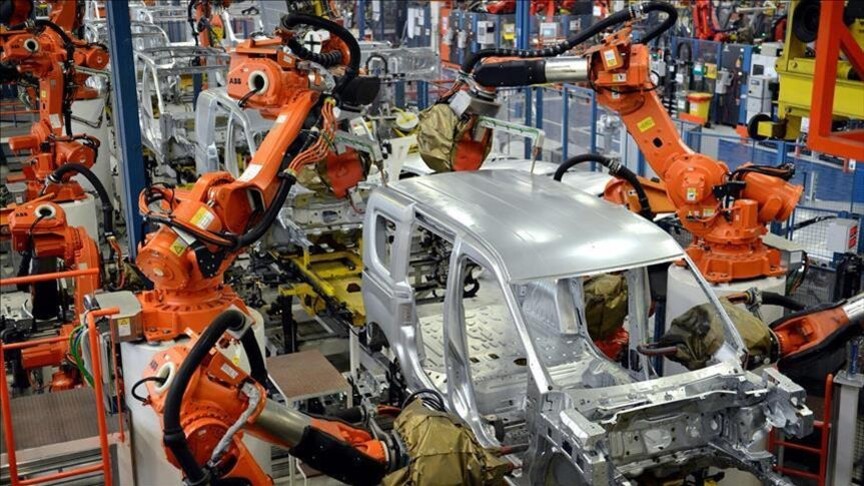
Global installed industrial robots surpass 5 million as AI and supply chain shifts drive growth
China led new installations in 2025, accounting for well over half of the world's added robots, as Japan fell to third place.

US data center backlash offers a preview of a global fight over AI infrastructure
Rising costs tied to the AI boom are fueling pushback against data center construction in communities across Europe, Asia and beyond, echoing tensions already seen in the United States.

Meta opens up its Muse AI model for developers to build into gadgets
Meta is making its Muse technology freely available so outside developers can embed it into everyday devices, from televisions to smaller household gadgets.

Research warns AI could help identify how individual voters cast ballots in Georgia
A Princeton researcher found that combining AI with publicly available election records could undermine the secrecy of the ballot, according to the report.

White House event rebrands AI as 'super intelligence,' with top tech CEOs signing safety pledge
President Trump signed an executive order renaming AI as 'super intelligence' and called a new safety pledge signed by major tech leaders 'morally binding,' according to TechCrunch.

Circuit Breaker Labs aims to make AI interactions safer using "crash test dummies"
The startup has built simulated personas to test how AI chatbots affect vulnerable users, including children, before real harm occurs.