Funeral procession held in Qom for Ayatollah Shobeiri Zanjani
Large crowds joined the funeral procession for the senior Iranian cleric, who was laid to rest near the shrine of Hazrat Fatima Masoumeh.

A funeral procession was held in the Iranian city of Qom on Wednesday for Ayatollah Seyyed Mousa Shobeiri Zanjani, according to Iran's state news agency IRNA.
Large crowds of mourners, including religious scholars and his students, joined the procession through the city, which serves as one of the principal centers of Shia religious scholarship in Iran.
Shobeiri Zanjani's remains were laid to rest near the shrine of Hazrat Fatima Masoumeh, a site of major religious significance in Qom and a destination for pilgrims from across the country and the wider region.
IRNA's report, accompanied by photographs of the procession, documented the scale of the turnout but did not provide further biographical detail about Shobeiri Zanjani's career or standing within Iran's clerical establishment.
The ceremony reflects the prominent role that senior clerics occupy in Qom's religious and civic life, with funerals for high-ranking figures typically drawing large public gatherings of mourners, students and fellow scholars.
Sources
EGazette summarizes reporting from multiple sources; follow the links for the originals.
Related articles
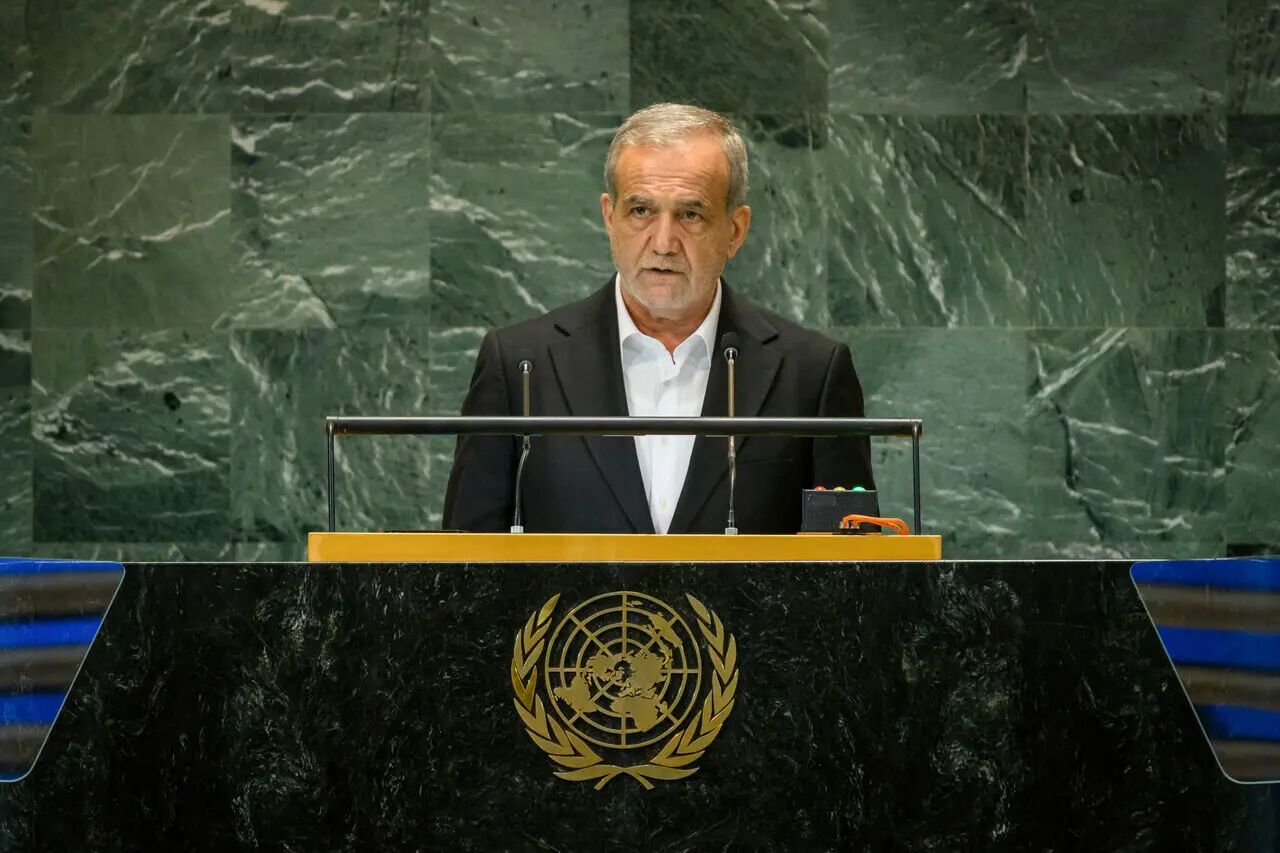
Iran's President Pezeshkian Set to Address UN General Assembly
President Masoud Pezeshkian is scheduled to speak before the 81st session of the UN General Assembly in New York on Wednesday evening.
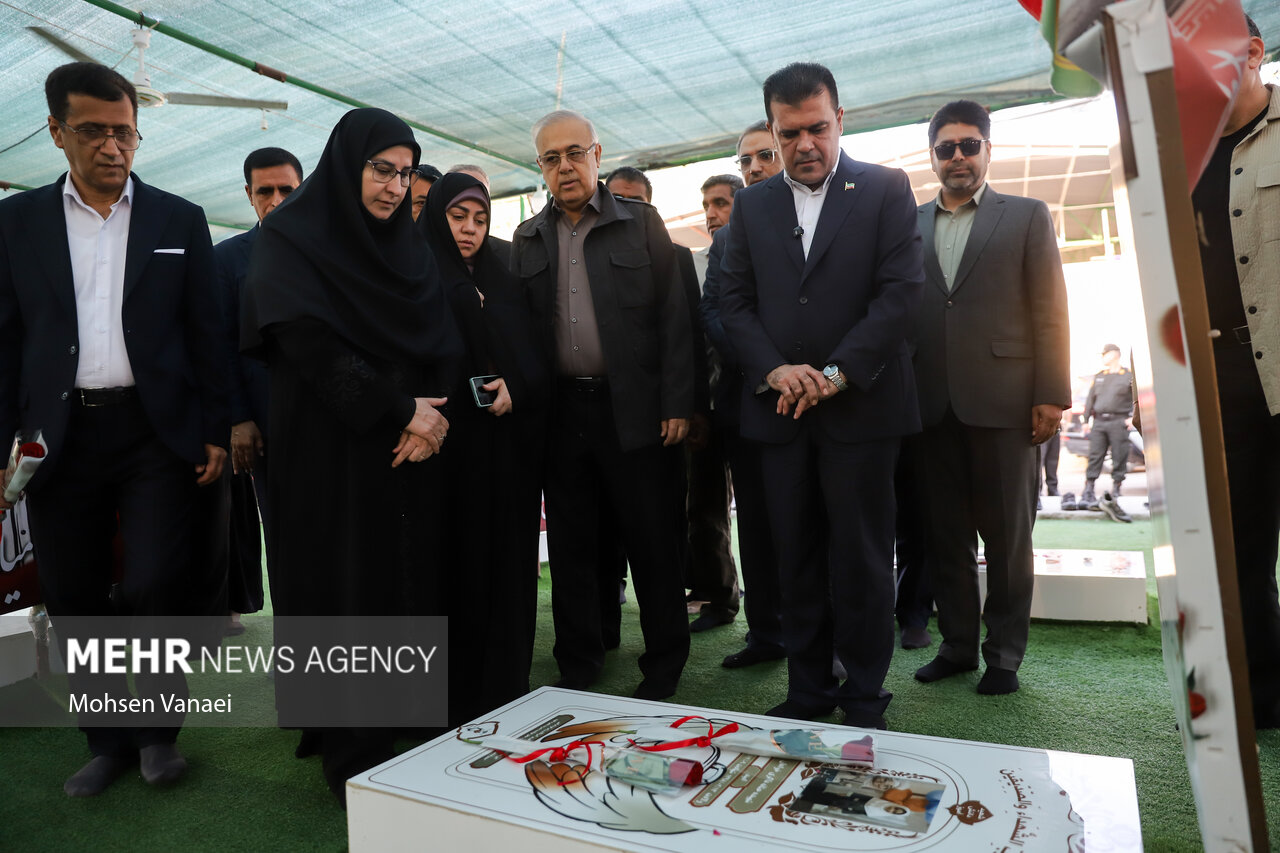
New school year ceremony marked in Minab, southern Iran
A ceremony marking the start of the 2026-2027 school year was held at a martyrs' memorial at an elementary school in Hormozgan province.

AI Risks and Iran War Dominate Agenda at UN Security Council
France convened a Security Council meeting on artificial intelligence and international security, featuring briefings from OpenAI and Anthropic leadership.

US Sanctions: Washington Seeks to Isolate Iran's Aviation Sector
The United States is seeking to cut off Iran's aviation sector from the rest of the world, a measure whose first victims could be Iran's 93 million citizens, according to observers.

Iran Says International Flights Continue Despite US Sanctions
Iran's Civil Aviation Organization says sanctions pressure has not halted the country's international air links.
Iran Accuses European States of 'Double Standards' Over Regional Developments
Foreign Minister Abbas Araghchi criticizes European positions during meetings with counterparts on the sidelines of the UN General Assembly.
Comments
Loading comments…