Explainer: Why MPs Use the 'Chiltern Hundreds' to Resign
A centuries-old parliamentary procedure allows MPs to step down from the House of Commons, with Sir Keir Starmer reportedly the latest to take up the office, according to BBC Politics.

Under British parliamentary rules, members of the House of Commons are not permitted to resign their seats directly. Instead, they use a historic legal mechanism known as the Chiltern Hundreds, according to a report by BBC Politics.
The procedure involves an MP applying for a nominal paid office under the Crown — such as Steward and Bailiff of the Chiltern Hundreds or the Manor of Northstead — which, under the Act of Settlement 1701, disqualifies a person from sitting in the Commons. Because holding an 'office of profit under the Crown' is incompatible with being an MP, appointment to one of these ceremonial roles effectively allows a member to vacate their seat.
The Chancellor of the Exchequer formally grants the appointment, and once accepted, the individual immediately ceases to be a sitting MP. The roles themselves carry no actual duties or income in modern practice; they exist solely as a legal fiction to facilitate resignation.
According to BBC Politics, Sir Keir Starmer is the latest person to take up the office as a means of resigning as an MP, joining a long list of politicians who have used the same device over the years.
The tradition dates back centuries and remains the only formal route by which a sitting MP in the UK can leave the Commons before a general election, dissolution of Parliament, or other disqualifying event.
Sources
- Why do ex-MPs join the 'Chiltern Hundreds' list? — BBC Politics
EGazette summarizes reporting from multiple sources; follow the links for the originals.
Related articles
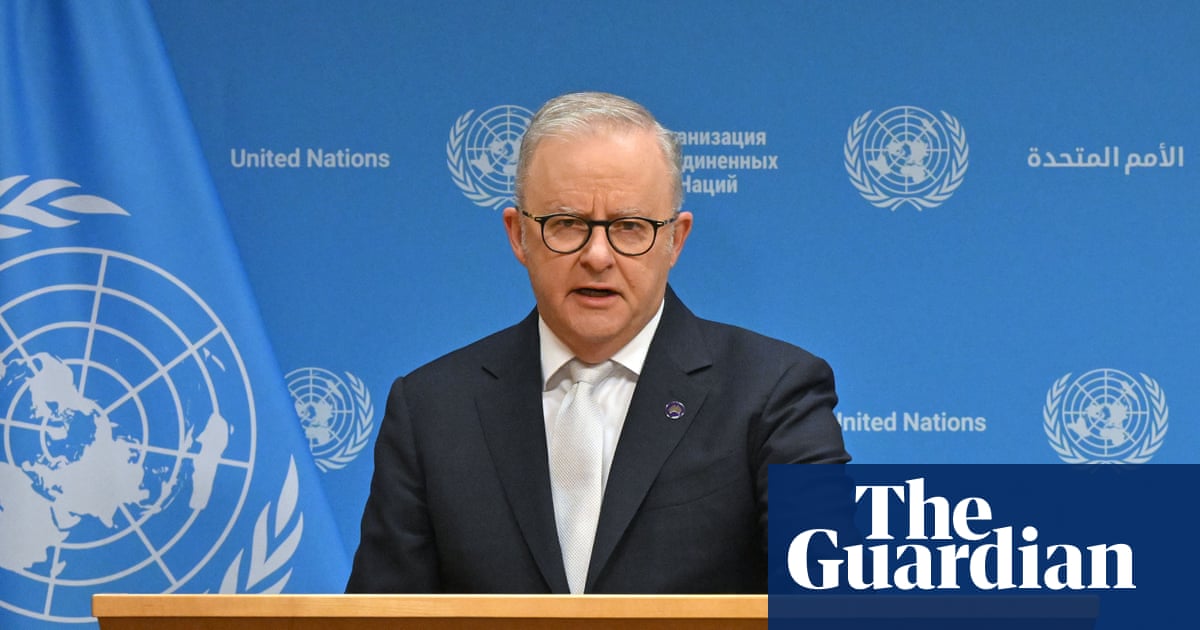
Albanese launches Australia's bid for UN Security Council seat, names former Murdoch aide as New York consul general
Prime Minister Anthony Albanese announced Australia's formal candidacy for a two-year term on the UN Security Council in 2029–2030, concurrent with appointing Siobhan McKenna, a former News Corp broadcasting executive, as consul general to New York.

In Germany, Friedrich Merz's CDU suffers historic defeat in Eastern state
For the first time since 1949, the Christian Democratic Union has fallen below the 5% threshold in a regional election, the minimum required to gain seats in the local parliament.

Australian Opposition Defends Fuel Excise Cut Plan Amid Cost-of-Living Debate
Shadow energy minister Dan Tehan says the Coalition's proposed 50% fuel excise reduction when oil exceeds US$100 per barrel is a sensible measure to address cost pressures.

CDU Wins Just 4.9% in Mecklenburg-Western Pomerania, Election Body Says
The state election commission reported a sharp drop in support for Chancellor Friedrich Merz's party in the northeastern German state

United Russia Leads Preliminary Vote Count With Half of Ballots Processed
Russia's Central Election Commission reports early results showing the ruling party ahead, with the Communist Party in second place, according to TASS.
United Russia Leads Duma Election With Over 41% of Vote Counted
Russia's Central Election Commission reports early returns showing the ruling party ahead, followed by four other parties clearing the threshold for seats
Comments
Loading comments…