United States: Courts Block Massive Sharing of Tax Data with Immigration Authorities
A federal court has prohibited the U.S. tax administration from massively sharing sensitive taxpayer information with immigration services.
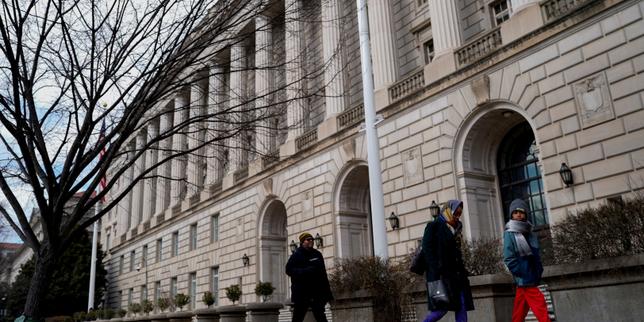
A U.S. court ruling prohibits the massive sharing of sensitive data collected by the American tax authority (IRS) with immigration services, according to reporting by Le Monde.
According to the source, the American tax authority has long allowed millions of undocumented immigrants to file and pay taxes. This practice is viewed by those involved as a way to support potential legalization applications, while also contributing to federal budget revenues.
The court determined that the bulk transmission of this tax information, considered sensitive, to immigration authorities was not in compliance with existing law, according to details reported by Le Monde.
This decision comes at a time when the American administration is seeking to strengthen its means of monitoring and identifying undocumented persons in the country, particularly by relying on administrative databases.
Le Monde notes that this case raises questions about the confidentiality of tax data and the balance between administrative cooperation and the protection of taxpayers' rights, including those in undocumented status.
Sources
- Aux Etats-Unis, la justice interdit le partage massif de données sensibles du fisc aux services de l’immigration — Le Monde — Une
EGazette summarizes reporting from multiple sources; follow the links for the originals.
Related articles

Farage says he wants to 'hijack' Trump's ICE czar to help secure UK border
The Reform UK leader told a US event that Europe should take a "more sensible view" of the Trump administration.

Australian PM Rejects EU Membership Speculation Amid Migration Policy Clash
Prime Minister Anthony Albanese ruled out Australia joining the EU while defending his government's immigration stance against One Nation's proposals.

Opposition leader Taylor pledges major immigration cuts ahead of NSW election
Federal opposition leader Angus Taylor vows to deliver "one of the biggest immigration cuts in Australian history" as Coalition seeks to regain ground six months before NSW state poll.

Iraq: Trial opens in Baghdad for six French nationals accused of joining ISIS
Despite calls for repatriation made by their lawyers, six French citizens who fought in the ranks of the Islamic State group saw their trial begin Sunday in Baghdad.

Iraq: Trials Begin for Suspected French Jihadists Facing Death Penalty
About fifty French nationals transferred from Syria face Iraqi justice starting Sunday on terrorism charges related to the Islamic State.

Cultural Heritage Sites Face Destruction Amid Global Conflicts, Report Says
BBC News highlights efforts by individuals and groups seeking accountability for the loss of cultural monuments in war zones worldwide.
Comments
Loading comments…