Erdogan renews call for UN Security Council reform, end to veto power
The Turkish president urged member states to turn long-standing reform demands into a concrete roadmap centered on abolishing the veto privilege held by the Council's five permanent members.
Turkish President Recep Tayyip Erdogan has renewed his call for a sweeping overhaul of the United Nations Security Council, arguing that the body's current structure no longer reflects the realities of the modern world and that reform efforts must move from rhetoric to action.
"It is essential to turn the need for reform into a concrete roadmap," Erdogan said, adding that any such roadmap should place the abolition of the veto privilege at its center. The veto power, held exclusively by the Council's five permanent members — the United States, Russia, China, France and the United Kingdom — has long been criticized by Turkey and other countries as an outdated mechanism that allows a handful of states to block collective action even when the rest of the international community is in agreement.
A recurring theme for Ankara
Erdogan has repeatedly used the phrase "the world is bigger than five" in past addresses to argue that the Council's permanent membership should be expanded and its decision-making made more representative of the UN's broader membership. His latest remarks continue that campaign, framing veto reform as a prerequisite for the Council to function effectively in addressing modern crises, from regional conflicts to humanitarian emergencies.
Turkey has positioned itself among a group of middle powers pushing for changes to the post-World War Two architecture of the Security Council, which has remained largely unchanged since the UN's founding in 1945 despite dramatic shifts in global population, economic weight and geopolitical influence.
Reform efforts face steep obstacles
Calls to reform the Security Council are not new, and previous initiatives have made little headway, largely because any structural change would require the consent of the current permanent members, several of which have shown reluctance to dilute their own influence. Diplomats and analysts have long noted that any amendment to the UN Charter altering the veto system would need to be ratified by all five permanent members — the very powers whose privileges would be curtailed.
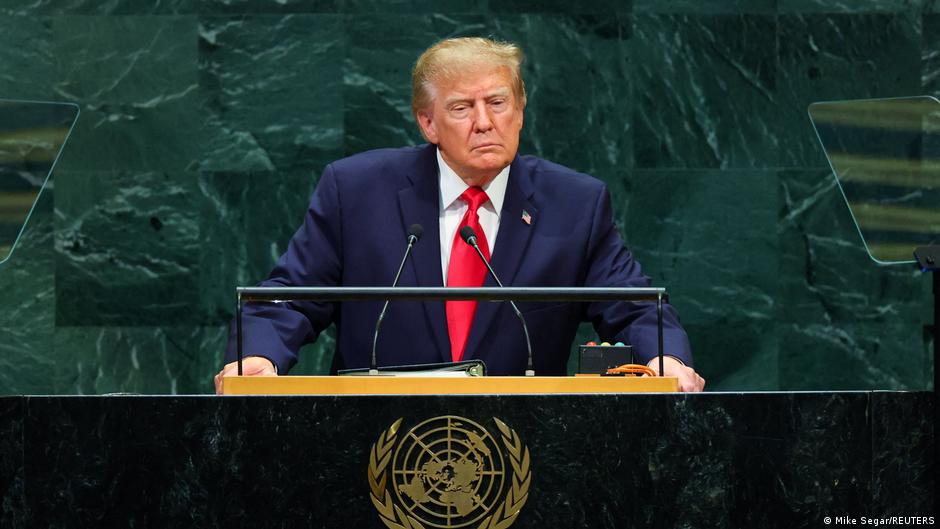
Despite these obstacles, Erdogan's comments add to a growing chorus of leaders from the Global South and beyond who argue that the Council's legitimacy is increasingly in question as it struggles to respond decisively to ongoing conflicts. The remarks come as world leaders gather in New York for the UN General Assembly's high-level week, a setting where reform of the Security Council is expected to be a recurring topic of discussion on the sidelines of formal sessions.
Sources
- Turkish president calls for UN Security Council reform, end to veto privilege — Anadolu Agency (Turkey)
EGazette summarizes reporting from multiple sources; follow the links for the originals.
Related articles
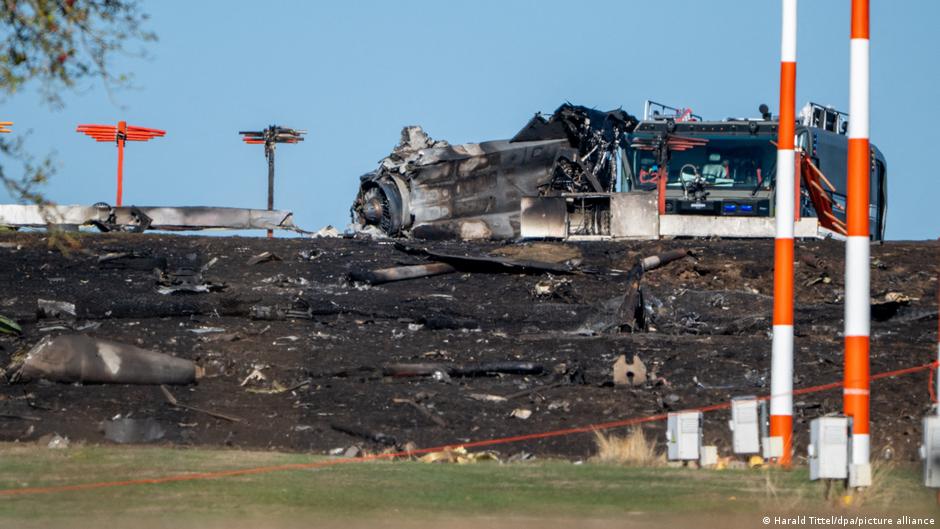
Report: Military aircraft crashes near US air base in Spangdahlem, Germany
A report from Deutsche Welle — English sets out the main available details, with claims kept attributed to their sources.
Report: Red Sox commit to Tracy as long-term manager, keep Breslow through 2030
A report from ESPN sets out the main available details, with claims kept attributed to their sources.
Report: British jets refuel Saudi fighter jets from the air to repel Houthi attacks
The Deutsche Welle — Arabic report presents the highlights of the available material on this development, while keeping the allegations attributable to their sources.
Report: Fantasy basketball: Sleepers, breakouts and busts for 2026-27
A report from ESPN sets out the main available details, with claims kept attributed to their sources.
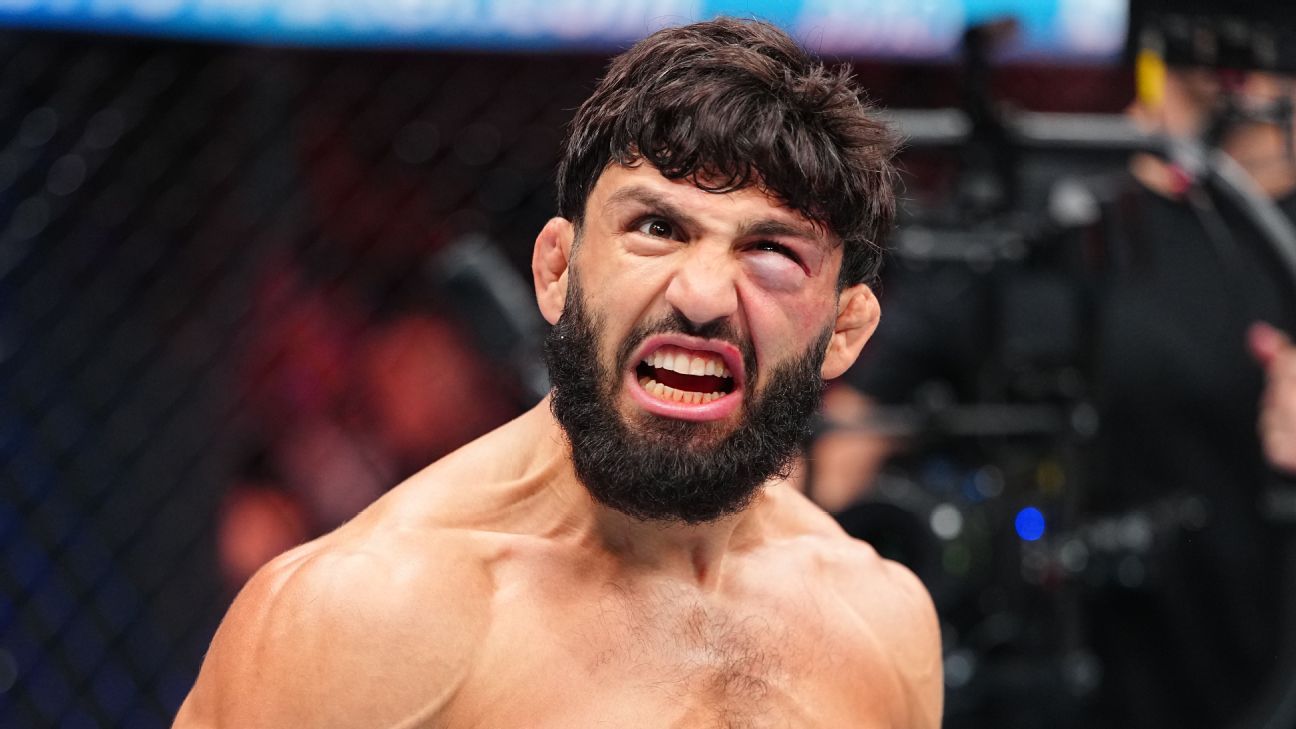
Report: MMA divisional rankings: No denying Tsarukyan's rise at lightweight
A report from ESPN sets out the main available details, with claims kept attributed to their sources.

Report: Trump Says Before UN General Assembly He Is Considering Option of Either Reaching Deal With Iran or "Pushing It to Hell"
BBC Arabic's report highlights the main points available on this development, while keeping all claims attributed to their sources.
Comments
Loading comments…