Sweden's Public Sector Remains Dependent on Foreign Workers Despite Anti-Immigration Political Rhetoric
As Sweden heads toward legislative elections on September 13, all major political parties are defending restrictive immigration policies, while municipalities and regions rely more than ever on foreign-born workers to meet labor shortages in public services, according to Le Monde.

Just days before Sweden's legislative elections scheduled for September 13, all of the country's major political parties are defending restrictive immigration policy and seeking to limit refugee arrivals, Le Monde reports. This hardening of rhetoric, however, contrasts sharply with a different economic and social reality on the ground.
According to the article, Swedish municipalities and regions have never needed foreign-born workers more to fill labor shortages in public services. This dependence affects sectors essential to the country's day-to-day functioning, though Le Monde does not specify which ones in the available excerpt.
This paradox illustrates a tension between the political positions displayed by Swedish parties during the election period and the concrete needs of local public employers, who struggle to recruit sufficient staff without turning to workers of foreign origin.
Le Monde underscores that this situation unfolds in a context where immigration has become a central issue in Swedish public debate ahead of the September 13 vote, with all major parties displaying a shared determination to restrict migration flows, particularly regarding refugee intake.
Sources
- En Suède, malgré les discours anti-immigration, le service public reste dépendant de la main-d’œuvre étrangère — Le Monde — Une
EGazette summarizes reporting from multiple sources; follow the links for the originals.
Related articles

Germany: After heavy electoral defeat, Chancellor Merz refuses to change course
Despite setbacks inflicted on his party by the far right and radical left in Sunday's elections, Friedrich Merz has ruled out any early departure and promised to continue with his reform agenda.

Germany: Two regional elections pose risks for Chancellor Merz
Voters in Berlin and Mecklenburg-Western Pomerania go to the polls Sunday amid expected breakthroughs by the far right and radical left.
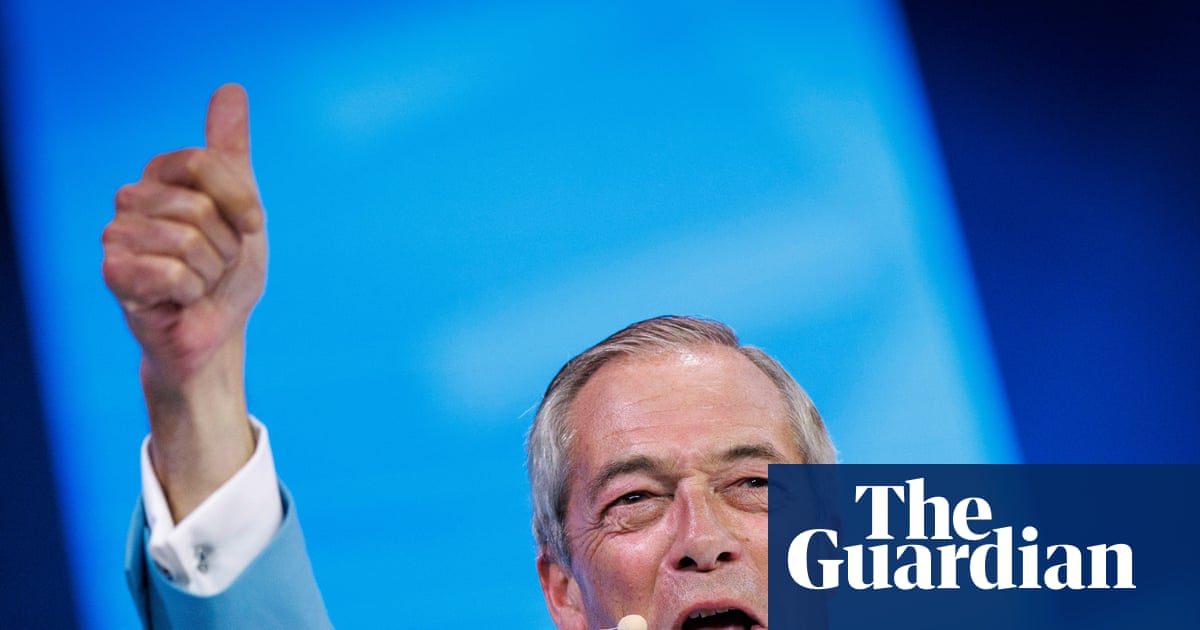
Farage says he wants to 'hijack' Trump's ICE czar to help secure UK border
The Reform UK leader told a US event that Europe should take a "more sensible view" of the Trump administration.
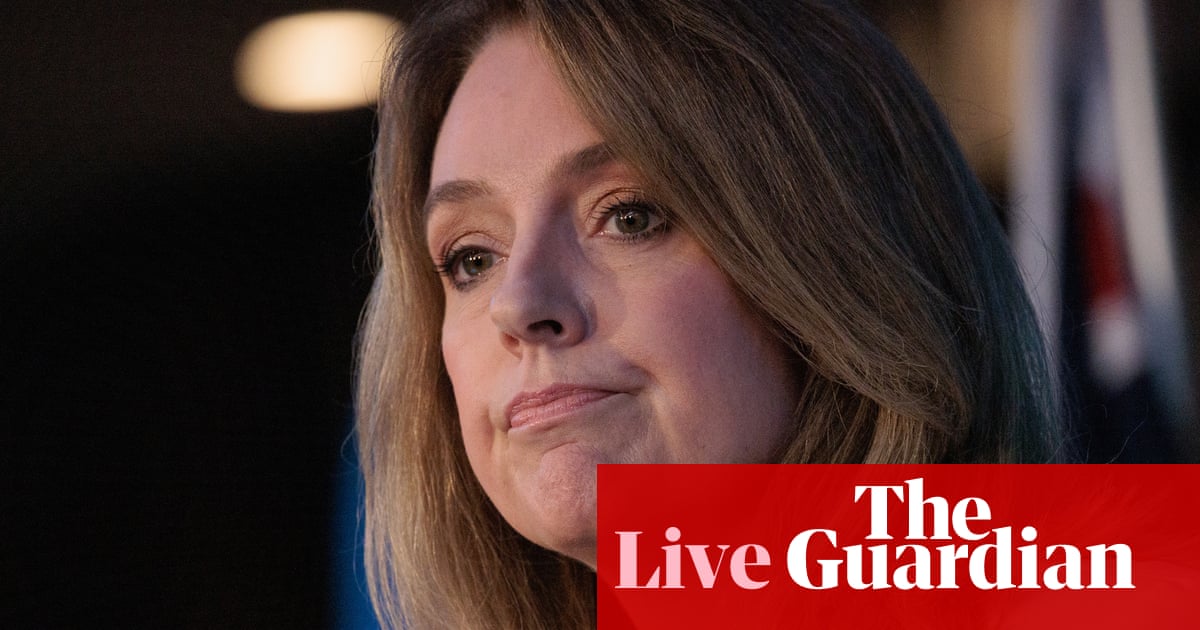
Australian PM Rejects EU Membership Speculation Amid Migration Policy Clash
Prime Minister Anthony Albanese ruled out Australia joining the EU while defending his government's immigration stance against One Nation's proposals.
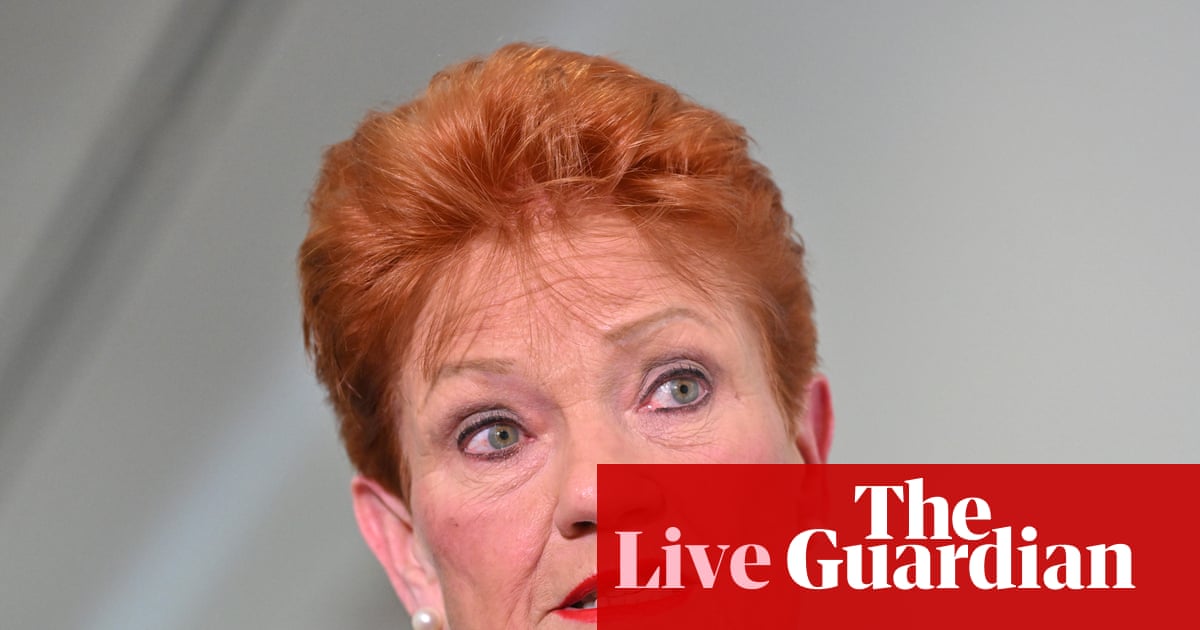
Opposition leader Taylor pledges major immigration cuts ahead of NSW election
Federal opposition leader Angus Taylor vows to deliver "one of the biggest immigration cuts in Australian history" as Coalition seeks to regain ground six months before NSW state poll.
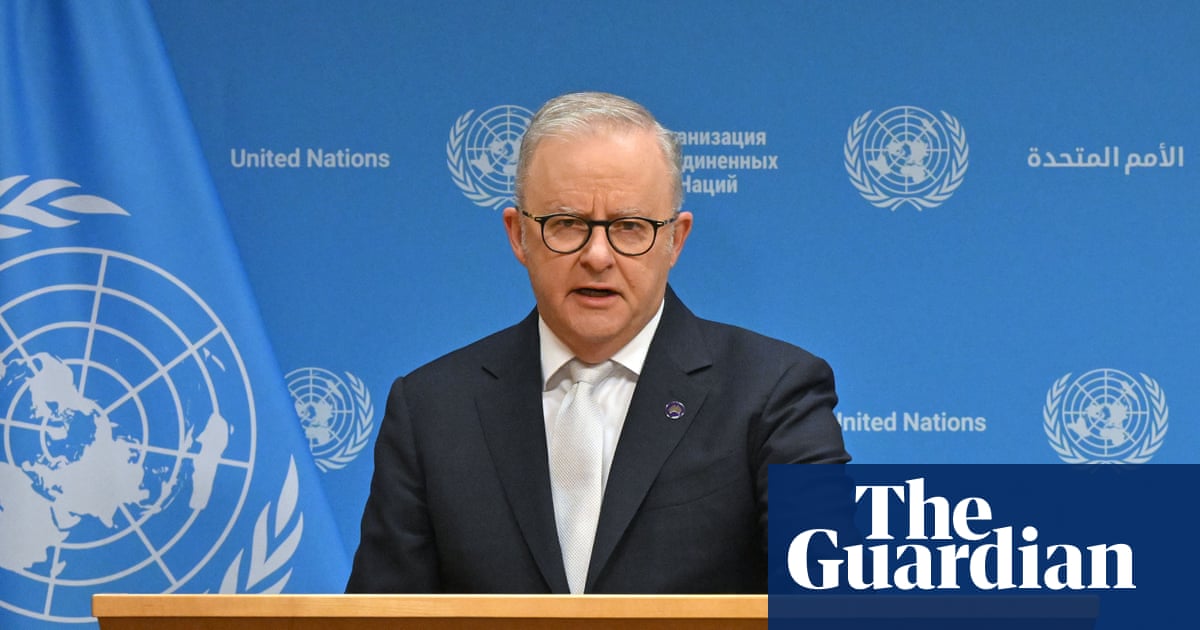
Albanese launches Australia's bid for UN Security Council seat, names former Murdoch aide as New York consul general
Prime Minister Anthony Albanese announced Australia's formal candidacy for a two-year term on the UN Security Council in 2029–2030, concurrent with appointing Siobhan McKenna, a former News Corp broadcasting executive, as consul general to New York.
Comments
Loading comments…