Dolphins Observed Feeding on Vomit From Frightened Fish, Study Finds
Researchers report that some dolphins appear to terrify prey fish into regurgitating, then consume the resulting vomit as an easy meal.
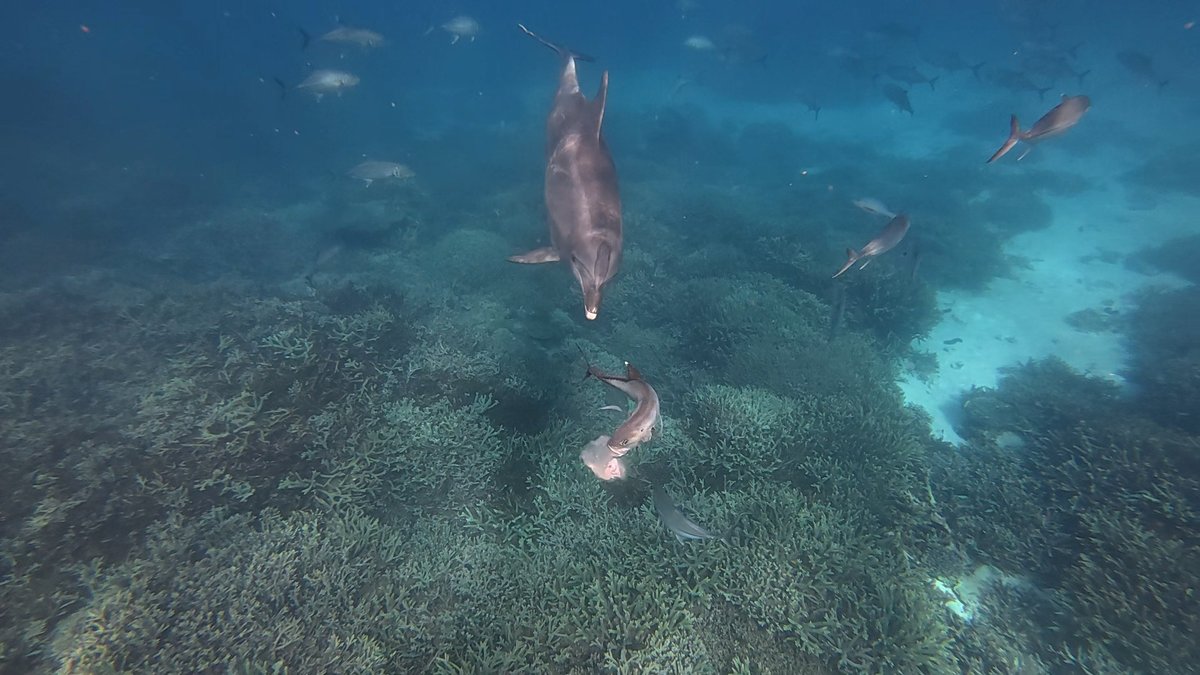
A report published by Scientific American describes an unusual feeding behavior observed in dolphins, in which the marine mammals appear to frighten fish so severely that the fish vomit, after which the dolphins consume the regurgitated material.
According to the source, researchers documented instances of this behavior as part of ongoing observations of dolphin foraging strategies. The article characterizes the tactic as a low-energy alternative to traditional hunting, allowing dolphins to obtain food without directly chasing down and capturing live prey.
Scientific American frames the discovery within broader scientific interest in the diverse and sometimes unconventional feeding strategies employed by marine mammals. The publication did not specify the exact dolphin species involved or the geographic location where the behavior was recorded, based on the available excerpt.
The report suggests that such behavior may offer dolphins a way to conserve energy while still obtaining nutrition, though further details on the frequency of the behavior, the species affected, or the broader ecological implications were not included in the available excerpt.
Scientific American's coverage indicates that researchers continue to study dolphin behavior to better understand the range of foraging methods these animals use in the wild.
Sources
- This dolphin terrifies fish until they puke—and then eats it — Scientific American
EGazette summarizes reporting from multiple sources; follow the links for the originals.
Related articles
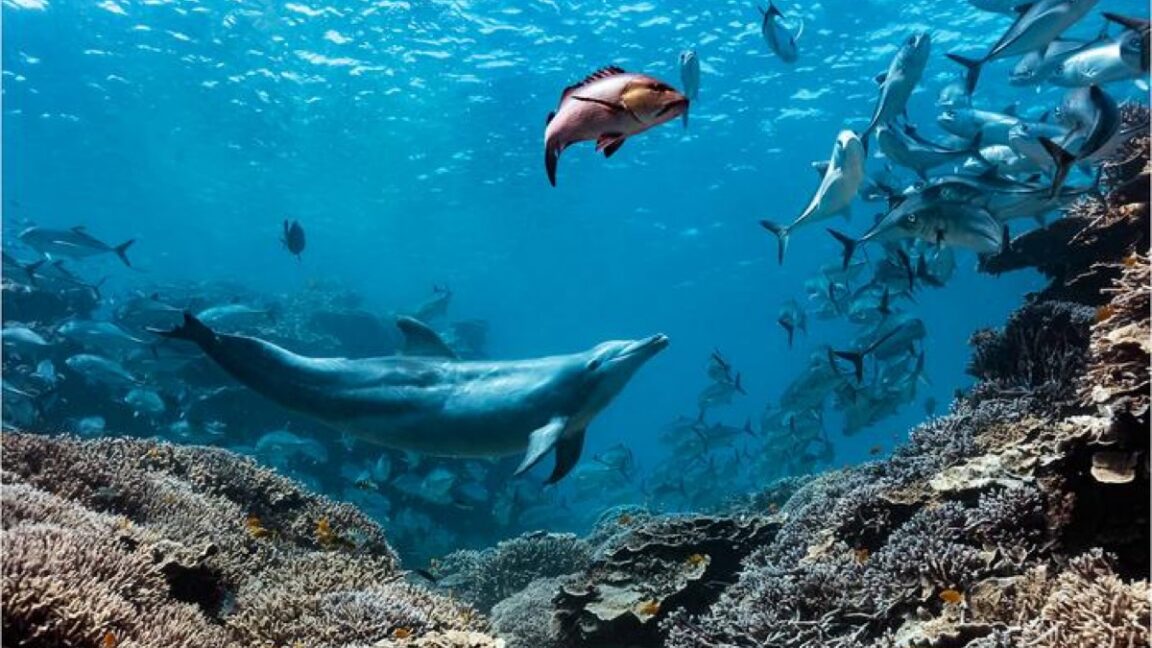
Dolphin Named Bubbles Observed Forcing Other Fish to Vomit Before Eating the Regurgitated Prey
Researchers describe a rare feeding behavior in which a dolphin appears to induce vomiting in other fish to steal their food, according to a report by Ars Technica.
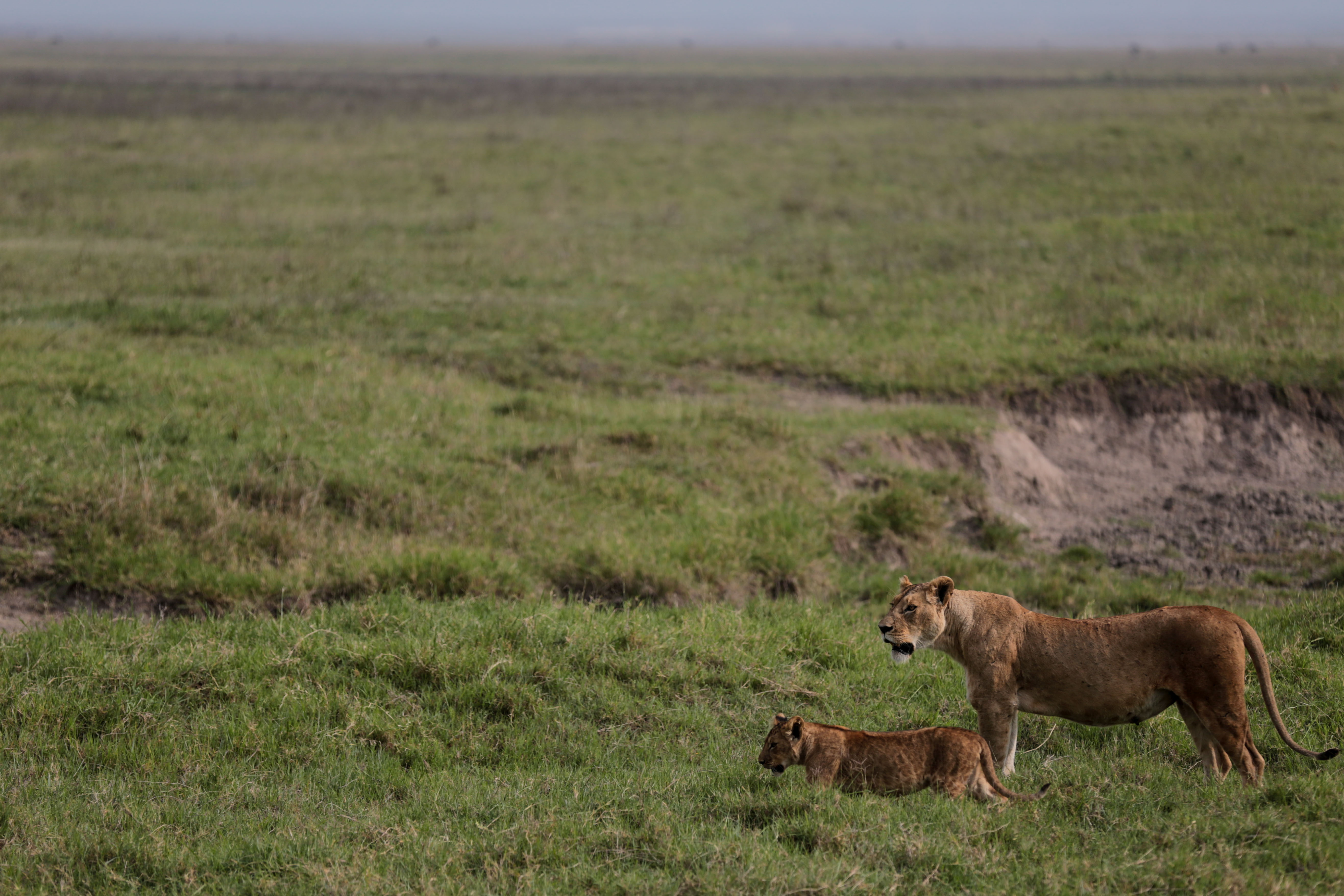
Poison suspected in deaths of ten lions at Tanzania game reserve
The lions were discovered dead in the Ngorongoro Conservation Area, prompting wildlife officials to investigate.

Hummingbird Hawk Moths and Ivy Bees Reported Thriving as Temperatures Rise
BBC Science & Environment reports sightings of insects often mistaken for small birds, linked to warming conditions in parts of the UK
Hummingbird Hawk Moths Spotted Across West Midlands
Sightings of the bird-like moth, often mistaken for a hummingbird, have been reported in the region, according to the BBC.
New Tiger Cat Species Identified in Bolivia, First in Over a Century
Researchers have named Leopardus tilcayo, described as the first new living cat species to be identified and named in more than 100 years, according to Al Jazeera.
New Living Cat Species Identified for First Time in Over a Century
Al Jazeera reports scientists have identified a new species of living cat, the first such discovery in more than 100 years.
Comments
Loading comments…