Doctors Confirm Rare Brain Worm Infection After Eggs Hatch Tails in Lab Test
A woman's parasitic brain infection was confirmed using an unconventional lab method, after eggs extracted for testing developed tails, according to Ars Technica.
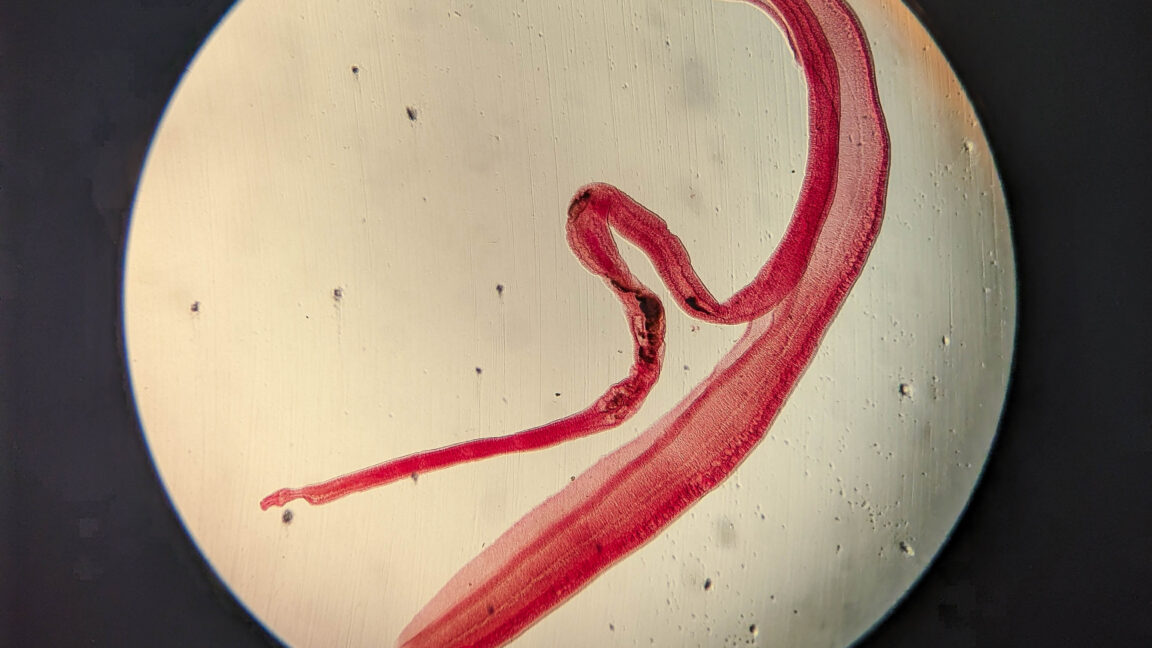
Doctors have confirmed a case of parasitic brain worm infection in a woman using an unconventional laboratory method, after eggs extracted from a sample developed tails during testing, according to a report from Ars Technica.
The report notes that there is no single definitive test capable of confirming this type of parasitic infection, which made the diagnostic process more complex than identifying many other conditions. Instead, doctors relied on an observation-based method: watching to see whether eggs collected from the patient would develop tails in a laboratory setting, a sign considered fairly convincing evidence of the parasite's presence and life cycle stage.
An unusual diagnostic path
Brain worm infections, caused by certain parasites capable of migrating to the central nervous system, can be difficult to diagnose because symptoms often overlap with other neurological conditions and standard tests do not always detect the parasite directly. Physicians in cases like this one may need to combine imaging, blood work and specialized laboratory observation to reach a confirmed diagnosis.
The case highlights the diagnostic challenges that can accompany parasitic infections affecting the brain, which remain relatively rare in some regions but can cause serious neurological symptoms if left untreated.
Further details on the patient's treatment, prognosis or the specific parasite involved were not included in the available reporting.
Sources
EGazette summarizes reporting from multiple sources; follow the links for the originals.
Related articles

Student Nearly Dies After Accidental Paracetamol Overdose
Parents describe the frightening speed of their child's organ failure after an accidental overdose, and are speaking out to raise awareness of the risks.

Report: Sex-based discrimination in medicine costs lives | Letters
A report from The Guardian — Opinion sets out the main available details, with claims kept attributed to their sources.

'Ghost Patient' Policy Wrongly Removing At-Risk People From GP Lists, Doctors Say
An NHS England initiative that shortened the cut-off period for inactive patients is disproportionately affecting the most deprived areas, according to analysis.

Report: Updated: Russian attack on Kyiv leaves one dead, eight injured
A report from Ukrinform (Ukraine) sets out the main available details, with claims kept attributed to their sources.

Report: Children as young as 13 being referred to UK hospital suffering from ‘ketamine bladder
A report from The Guardian — World sets out the main available details, with claims kept attributed to their sources.

Report: Ongoing week-long anti-Polio campaign achieves 30% target on day one: EOC Sindh
A report from APP (Pakistan) sets out the main available details, with claims kept attributed to their sources.
Comments
Loading comments…