High school students share their schedules on social media at the start of the school year
A Monde column devoted to the "invisible transformations" of our era examines reactions from high school students posted online when they discover their course schedules, particularly when these include free periods.
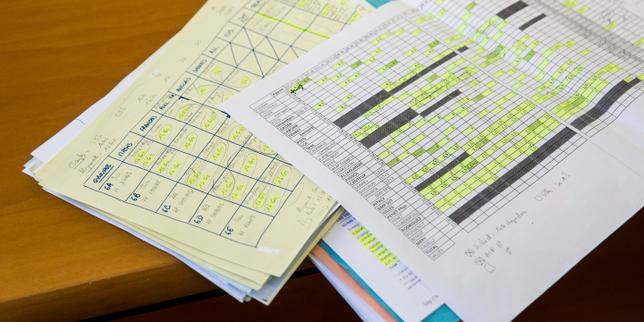
Le Monde newspaper published a column by Guillemette Faure about a phenomenon observed on social media at the start of the school year: high school students sharing their newly received schedules.
According to the column, these posts generate numerous reactions, particularly when the schedules contain "gaps"—that is, free periods between classes. These empty slots are perceived by some students as justification for skipping classes, with one student quoted in the column stating that "those with gaps are a reason for me to drop out."
Guillemette Faure's column is part of a series devoted to subtle shifts in contemporary society, as they manifest themselves notably through young people's use of social media.
Le Monde does not specify the quantitative scale of this phenomenon nor does it provide numerical data on the number of posts or students involved, with the article falling within the register of column writing and observation of social trends.
Sources
- Sur les réseaux, le partage des emplois du temps : « Ceux avec des trous, c’est un motif pour me déscolariser » — Le Monde — Une
EGazette summarizes reporting from multiple sources; follow the links for the originals.
Related articles
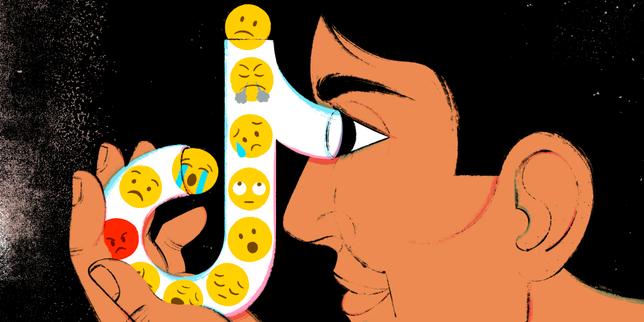
TikTok celebrates ten years marked by controversies and regulatory scrutiny
The social network favored by teenagers celebrates its tenth anniversary on September 20, a decade that Le Monde describes as punctuated by controversies that have made the platform a prime target for American and European regulators.
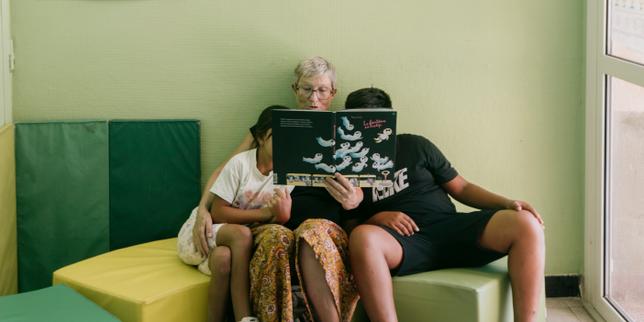
Reading: Gender gap widens between boys and girls, according to latest PISA study
An international survey shows a decline in reading comprehension among French students, more pronounced among boys, confirming a trend observed over several years.
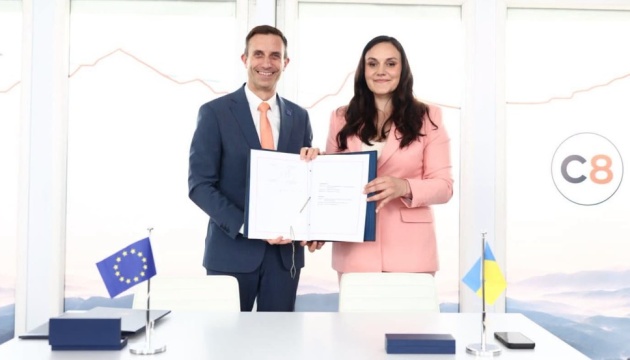
Ukraine Signs Council of Europe Convention on TV Series Co-Production
The agreement, signed during the Carpathian Summit, is intended to open new opportunities for Ukrainian involvement in European television production.
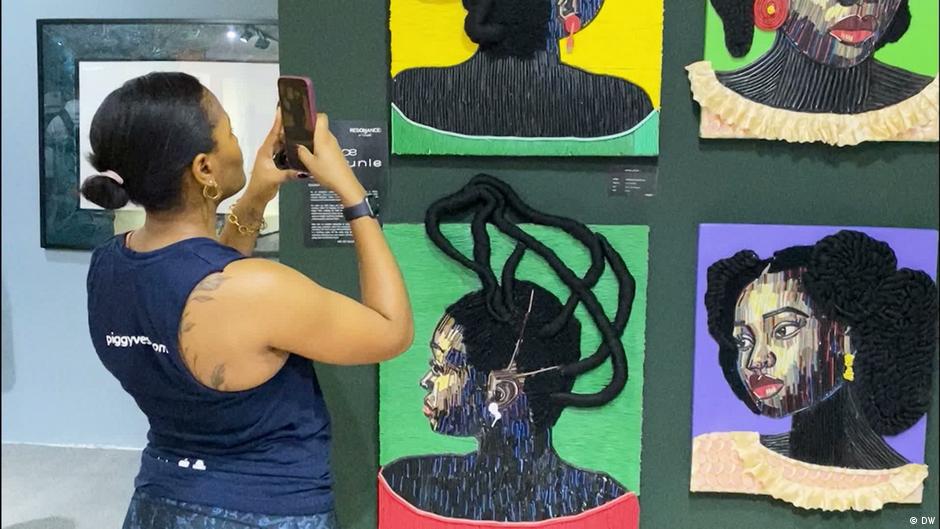
UN Resolution and New Initiatives Aim to Correct Global Perceptions of Africa
Efforts including a push to redraw the world map, school curriculum reforms and awareness campaigns seek to present a more accurate and positive image of the African continent, according to Deutsche Welle.

Taylor Swift, Tom Cruise Seen Sharing Suite at Arrowhead Stadium
The pop star and the actor were reported to have sat together while watching Kansas City Chiefs tight end Travis Kelce play.

New £1m grant launched to help communities protect green spaces
Fund aims to support local groups safeguarding threatened wildlife sites and green spaces, according to a BBC report.
Comments
Loading comments…