Debate Grows Over Whether Social Media Is to Blame for Teen Mental Health Decline
A new report from The Verge revisits the arguments in Jonathan Haidt's 'The Anxious Generation,' as psychologist Peter Gray and others question the claim that smartphones and social media are the main driver of youth anxiety.

Two years after social psychologist Jonathan Haidt published his bestselling book "The Anxious Generation," a new report from The Verge examines ongoing debate over his central claim: that the rise of social media and smartphone use is largely responsible for a documented decline in teen mental health since 2010.
According to The Verge, Haidt's book quickly became a rallying point for a broader backlash against social media platforms, with policymakers, parents and educators citing his research to support restrictions on youth screen time and app usage.
The report notes that Haidt's thesis has not gone unchallenged. Psychologist Peter Gray, referenced in the article's title, has been among those questioning whether the correlation between social media use and rising rates of teen anxiety and depression reflects a direct causal relationship, as Haidt argues, or whether other factors may be at play.
The Verge's report situates this debate within a wider scientific and public discussion about the effects of digital technology on adolescent development, suggesting that despite the popularity and influence of Haidt's book, questions remain among researchers about the strength of the evidence linking social media specifically to the mental health trends observed over the past decade.
The Verge did not indicate that a final scientific consensus has been reached on the matter, framing the discussion as part of an ongoing reassessment of claims that have shaped recent public policy debates around youth and technology.
Sources
- What if social media isn’t hurting kids? — The Verge
EGazette summarizes reporting from multiple sources; follow the links for the originals.
Related articles
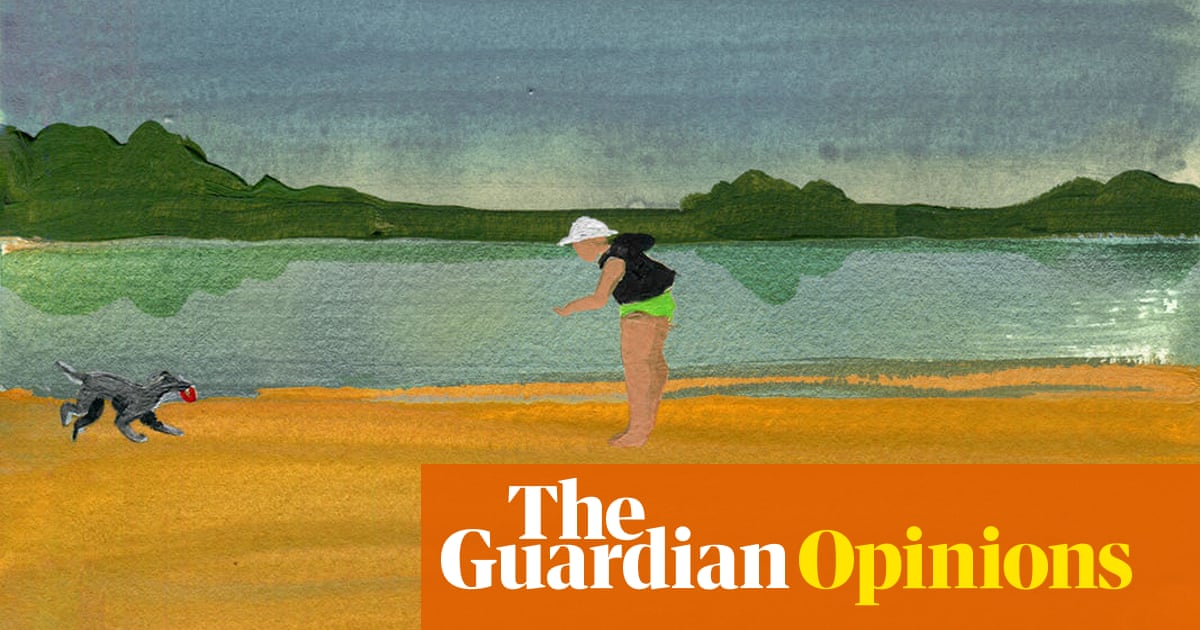
Ukrainian Artist Seeks Moments of Peace Amid Ongoing Conflict
An opinion piece from Kyiv explores how ordinary life briefly resurfaces in wartime before war's reality returns.

Report Highlights Social Isolation Among Older LGBTQ+ People
A new report cited by the BBC finds older LGBTQ+ individuals face higher rates of social isolation than their heterosexual peers, with some saying they fear their identity is being overlooked.

Viral video of mother's barefoot race for daughter's school seat reignites debate on India's education system
Footage of a 47-year-old widow running 3km unprepared and in flip-flops to try to secure her daughter's school admission has spread widely online, according to BBC News.
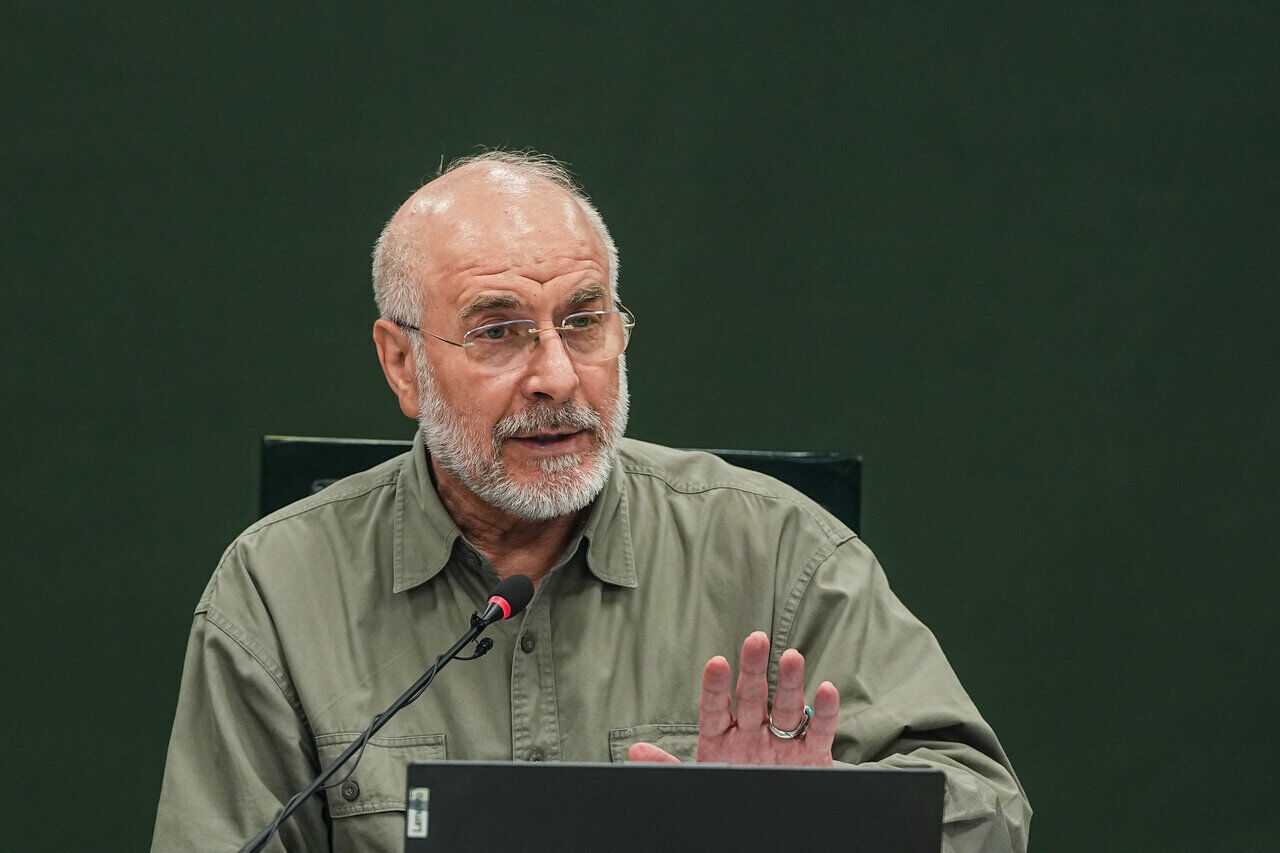
Iran's Ghalibaf Uses Math Equation on X as "Weapon" Against US, Al Jazeera Reports
Al Jazeera describes Iranian politician Mohammad Bagher Ghalibaf's social media posts as political propaganda involving a mathematical formula.
Influencers accused of exploiting Nepal flood survivors for social media engagement
Content creators face criticism for using disaster footage to boost followings rather than provide genuine aid.

EU's Proposed KIDS Act Would Restrict Young Children's Access to Social Media
A new EU legislative proposal reported by Anadolu Agency would bar children aged 3 to 13 from most social media platforms, with exceptions for child-friendly video-sharing services.
Comments
Loading comments…