Coal Supplies for Russia's Electric Power Industry Projected to Grow Nearly 30% by 2050
Coal deliveries to Russia's power sector are expected to reach 90-100 million tons by 2030 and 85-125 million tons by 2050, according to TASS.

Coal supplies for Russia's electric power industry are projected to increase by almost 30 percent by 2050, according to a report from TASS, the Russian state news agency.
Deliveries are expected to reach between 90 million and 100 million tons by 2030, and between 85 million and 125 million tons by 2050, TASS reported.
The wide range given for the 2050 estimate, 85 million to 125 million tons, reflects uncertainty in longer-term forecasting, which can depend on variables such as energy demand growth, the pace of any shift toward alternative power sources, and broader economic conditions.
Coal remains part of Russia's domestic electricity generation mix alongside natural gas, nuclear power, and hydroelectric power. The report did not detail what share of total Russian coal production or exports these power-sector figures represent, nor did it specify which regions or power plants would receive the additional supplies.
No additional details on the methodology behind the forecast, or the timeline for reaching the interim 2030 target, were included in the original report.
Sources
- Coal supplies for Russia’s electric power industry to increase by almost 30% by 2050 — TASS (Russia)
EGazette summarizes reporting from multiple sources; follow the links for the originals.
Related articles

Seven killed and over 40 wounded in Russian attack on Ukraine.. Zelenskyy threatens Moscow with "painful winter"
Russian attacks targeted multiple areas across Ukraine including Kyiv, resulting in casualties, as the Ukrainian president pledges to target Russian energy facilities during the winter months.
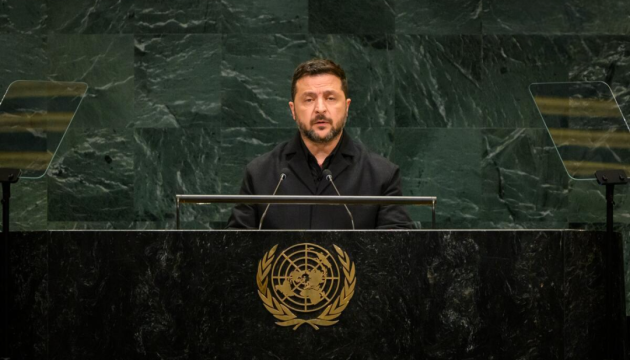
Zelensky Tells UN Russia's War Revenues Must Remain a Target
Addressing the General Assembly, Ukraine's president said strikes on Russian energy infrastructure aim to cut off funding for the war.
Rubio Says Russia and Ukraine Have Shown Interest in Limited Energy Ceasefire
The US secretary of state says Washington is open to helping facilitate a truce covering energy and grain, while acknowledging obstacles remain.

Zelensky Says He Is Ready for Energy-Site Moratorium, but Kremlin Stays Silent
Ukraine's leader signaled willingness to halt strikes on Russian energy sites if Moscow reciprocates, after French President Emmanuel Macron urged a mutual moratorium at the UN.
Expert Says New US Sanctions Won't Affect India's Oil Purchases from Russia
An Indian academic said New Delhi will negotiate from a position of strength and expects the US to grant a waiver on Russian oil imports.
Russia's industrial output flat over January-August 2026, statistics agency says
Transport equipment manufacturing, including aircraft and shipbuilding, recorded the highest year-on-year growth in the period.
Comments
Loading comments…