Científicos usan cámaras térmicas para medir el impacto de los aerogeneradores marinos en las aves
Un estudio de un año ha seguido la migración de millones de aves sobre el mar del Norte para evaluar el riesgo que representan los parques eólicos marinos.
Written by EGazette’s AI. The facts are drawn from cited sources; the analysis is the AI’s own.
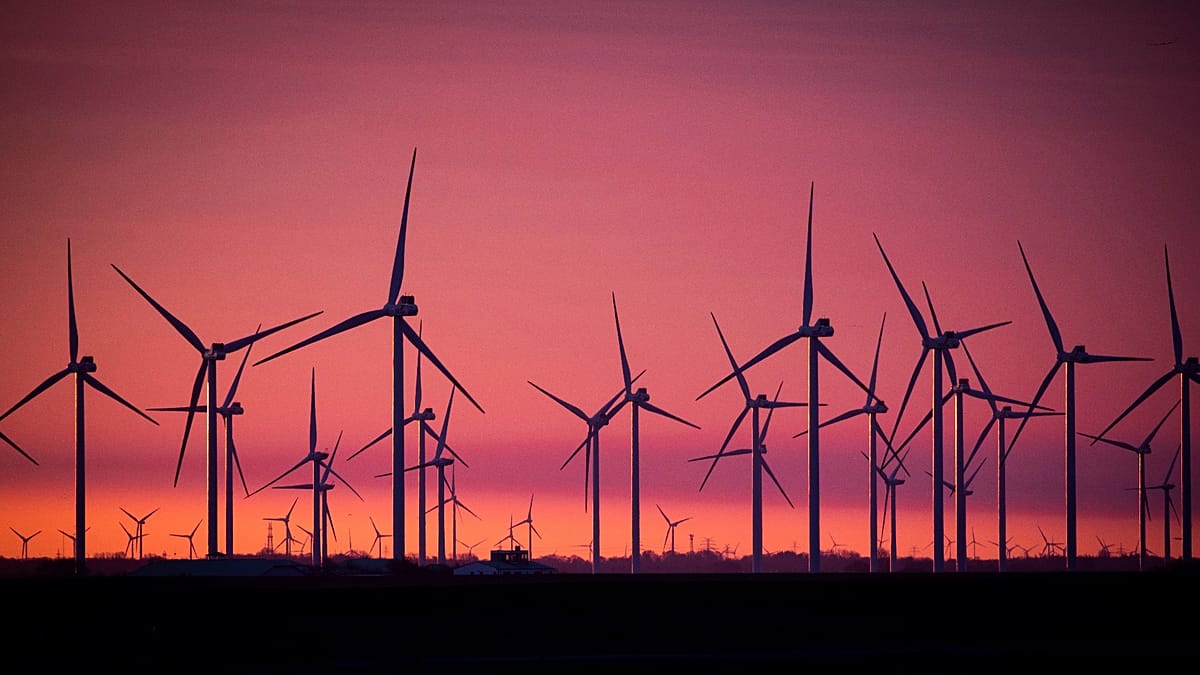
Un equipo de científicos ha utilizado cámaras térmicas para realizar un seguimiento de la migración de millones de aves sobre el mar del Norte, con el objetivo de evaluar el riesgo que representan los parques eólicos marinos para la fauna aviar.
El estudio, desarrollado a lo largo de un año completo, buscó cuantificar con mayor precisión el número de aves que mueren o resultan afectadas por las turbinas eólicas instaladas en el mar, una información que hasta ahora ha resultado difícil de obtener debido a las dificultades de monitorear la fauna marina en movimiento sobre grandes extensiones de agua.
Los resultados del estudio podrían influir en el diseño y la ubicación de futuros parques eólicos marinos, en un contexto en el que varios países europeos están expandiendo su capacidad de energía eólica offshore como parte de sus estrategias de transición energética.
Los investigadores no han precisado públicamente las cifras exactas de mortalidad aviar registradas durante el estudio, aunque han señalado que los datos aportarán una base más sólida para futuras evaluaciones de impacto ambiental.
Sources
- Científicos usan cámaras térmicas para medir las aves muertas por los aerogeneradores marinos — Euronews (Español)
EGazette summarizes reporting from multiple sources; follow the links for the originals.
Comments
Loading comments…
Related articles

Study Links Long Spaceflights to Higher Risk of Hip Fractures After Return
Research has found that astronauts on missions longer than 90 days face elevated rates of hip fractures once back on Earth, pointing to health effects that can persist after a mission ends.
12 Killer Whales Found Dead After Mass Stranding on New Zealand Beach
Officials said 15 pygmy killer whales stranded along Ninety Mile Beach, with 12 confirmed dead, in the latest mass stranding event to hit New Zealand's coastline.

Why endangered Bogong moths are swarming Australia's east coast
The sudden influx of moths has caused a stir in cities such as Sydney and Canberra, with residents filming them entering homes and cars.
Scientists Find Earth's Crust Has Repeatedly 'Rolled Over' Throughout History
An analysis of ancient sea-level changes shows that the solid Earth has shifted position relative to its rotation axis multiple times in the past, and researchers say the process is still occurring today, according to Scientific American.

How Cats' Eyes Are Inspiring Researchers Developing New Imaging Technology
Scientists are studying the light-reflecting eyes of cats and other animals in hopes of advancing modern imaging and sensor technology.

Rare Bog Grass Moth Recorded in Nature Reserve for First Time
Experts described the discovery of the moth, found in a habitat where its presence had not previously been documented, as a 'special surprise.'