Cairo mural depicting Tutankhamun and Nefertiti with dark skin sparks controversy
A large artwork painted ahead of a state visit by China's president was removed after allegations it revived Afrocentric claims about the origins of the Pharaohs.
Written by EGazette’s AI. The facts are drawn from cited sources; the analysis is the AI’s own.
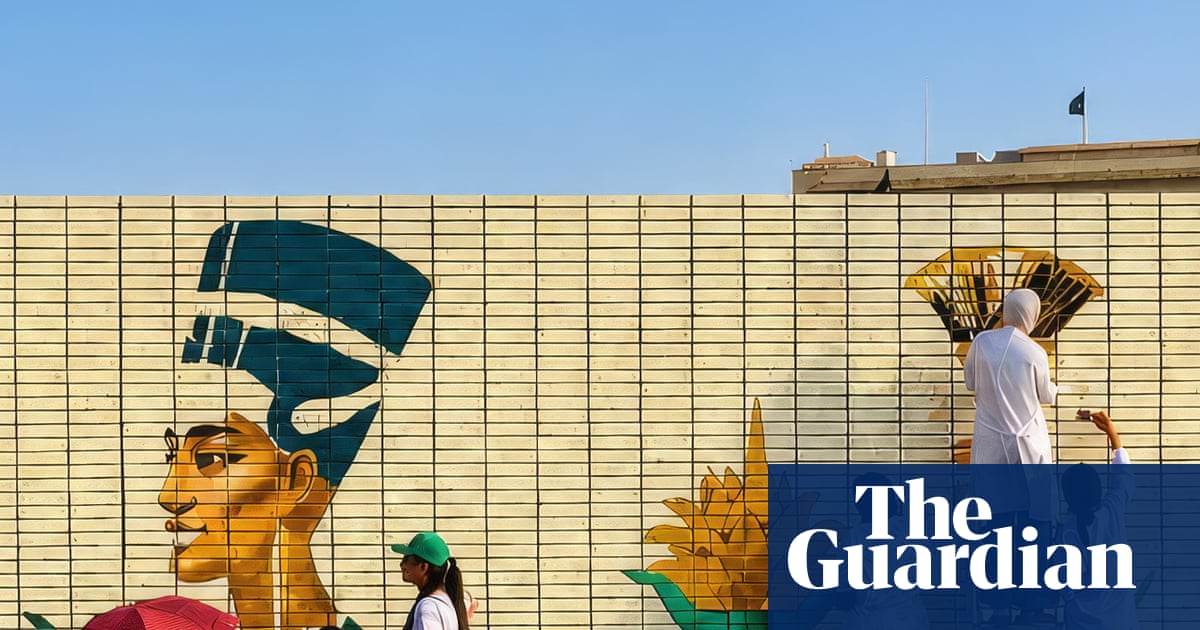
A mural in central Cairo depicting the ancient Egyptian ruler Tutankhamun and Queen Nefertiti with dark skin has become the center of a public controversy after it was painted over just before a state visit by Chinese president Xi Jinping.
The 66-metre-long artwork was one of around 40 murals commissioned by city authorities to beautify Cairo ahead of Xi's visit. It was created by Rasmet Basma, a volunteer youth group, and was installed in Tahrir Square, one of the most prominent public spaces in the Egyptian capital.
According to reports, the mural was removed from the route the Chinese delegation was expected to take through the city shortly before the visit took place. Its removal has been linked by critics to allegations that the artwork's depiction of the two ancient Egyptian figures revived long-running Afrocentric claims regarding the racial origins of the Pharaohs, a subject that has periodically sparked debate among historians and the public in Egypt and beyond.
The episode has reignited broader discussions about how ancient Egyptian history and iconography are represented in public art, with some commentators defending the mural as a legitimate artistic interpretation and others arguing that such depictions risk promoting a disputed historical narrative.
City authorities have not issued a detailed public explanation for the mural's removal. The incident adds to a long history of debate over the depiction of skin color in representations of ancient Egyptian rulers, a topic that continues to generate strong reactions whenever it resurfaces in public discourse.
Sources
- Row erupts over Cairo mural depicting Tutankhamun and Nefertiti with dark skin — The Guardian — World
EGazette summarizes reporting from multiple sources; follow the links for the originals.
Comments
Loading comments…
Related articles
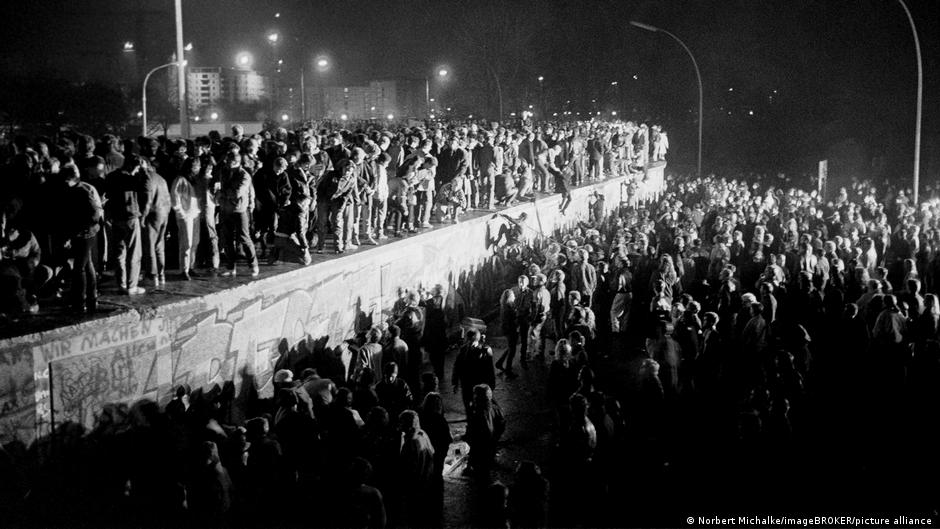
How Did Pieces of the Berlin Wall Spread Around the World?
Since its fall on November 9, 1989, fragments of the Berlin Wall have become historic landmarks scattered across sites around the world.
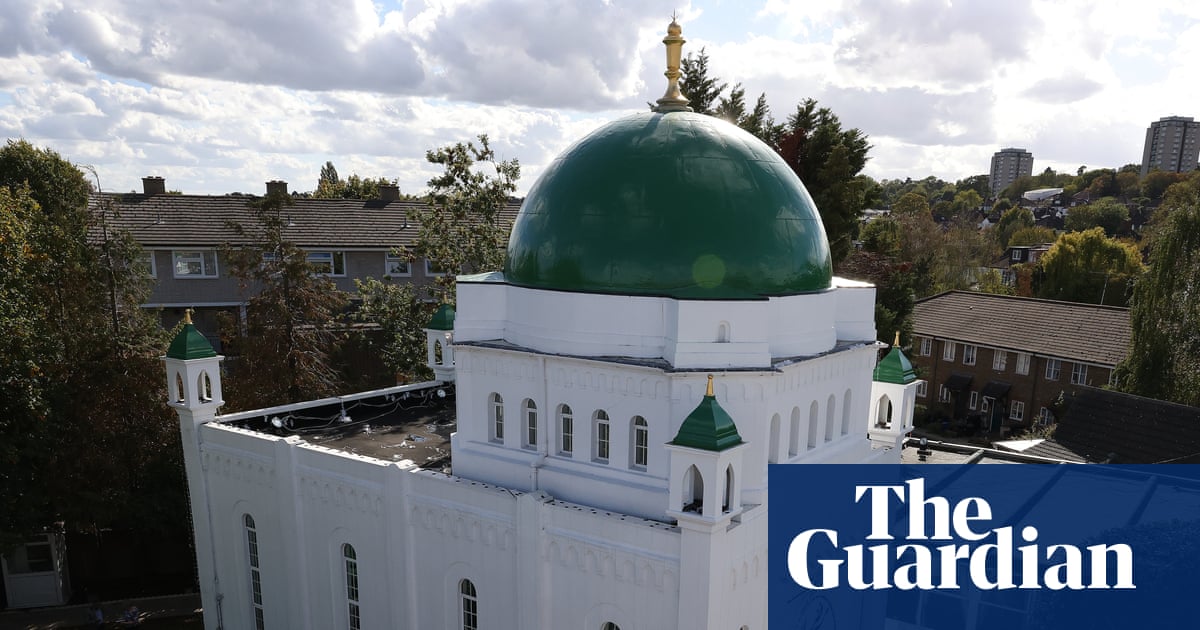
London's oldest mosque marks 100 years since opening
The Fazl Mosque in Wandsworth, which served as an air raid shelter during the war, is celebrating a century since its doors first opened.

Ethiopia Says It Has 'Sovereign Right' to Use Nile Water Resources
Ethiopia's water and energy minister rejected calls for downstream countries' prior approval of projects on the Nile.

A Decades-Old Standoff Returns to Northern Ireland, Reviving Old Fears
Families who lived through one of the Troubles' worst flashpoints worry its legacy is being felt by a new generation.

Without a formal apology, King Charles addresses Britain's past in the slave trade during his Caribbean visit
Buckingham Palace confirms King Charles will address Britain's role in the transatlantic slave trade during his Caribbean tour, without offering a formal apology.

Analysts debate whether Ethiopia's internal conflict could spread regionally
Addis Ababa has accused Egypt, Eritrea and Sudan of backing armed groups operating inside Ethiopia.