Bipartisan Bill Would Tie Highway Funding to Limits on Flock Camera Use
Lawmakers propose restricting license plate-reading cameras made by Flock Safety to a narrow set of public safety purposes, using federal highway funds as leverage, according to a report by Ars Technica.
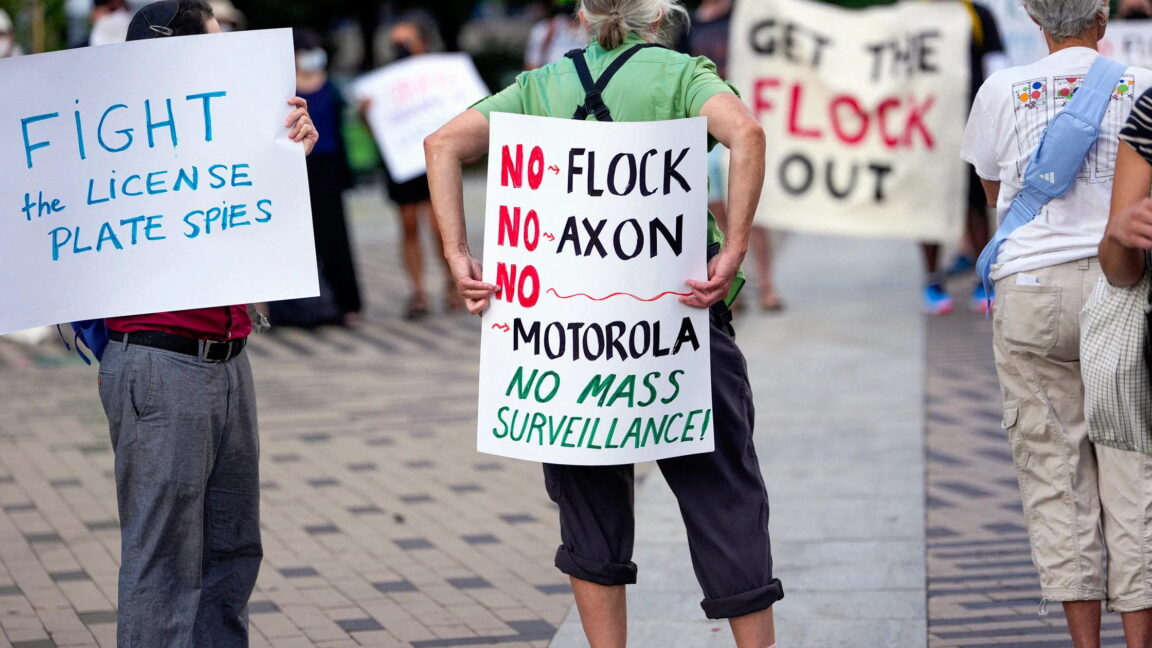
A bipartisan group of lawmakers has introduced legislation that would restrict the use of automated license plate reader cameras made by Flock Safety, according to a report published by Ars Technica.
The bill would limit the cameras to a handful of specified public safety uses, the report said. To enforce compliance, the legislation would threaten to withhold federal highway funding from jurisdictions that do not comply with the proposed restrictions, according to Ars Technica.
Flock Safety's camera systems, which are used by law enforcement agencies and other entities across the United States, capture license plate data that can be used to track vehicle movements. The technology has drawn scrutiny from privacy advocates and some lawmakers concerned about the scope of data collection and how it may be used beyond its stated purposes.
Details about the specific sponsors of the bill, the exact list of permitted public safety uses, and the timeline for potential implementation were not fully specified in the available reporting. Ars Technica indicated the measure reflects a bipartisan effort to place guardrails on the deployment of the camera technology.
The proposal comes amid broader debates in Congress and state legislatures over the use of surveillance technology by law enforcement and the balance between public safety objectives and civil liberties protections. Further details on the bill's provisions and legislative progress were not immediately available.
Sources
EGazette summarizes reporting from multiple sources; follow the links for the originals.
Related articles

Albanese launches Australia's bid for UN Security Council seat, names former Murdoch aide as New York consul general
Prime Minister Anthony Albanese announced Australia's formal candidacy for a two-year term on the UN Security Council in 2029–2030, concurrent with appointing Siobhan McKenna, a former News Corp broadcasting executive, as consul general to New York.
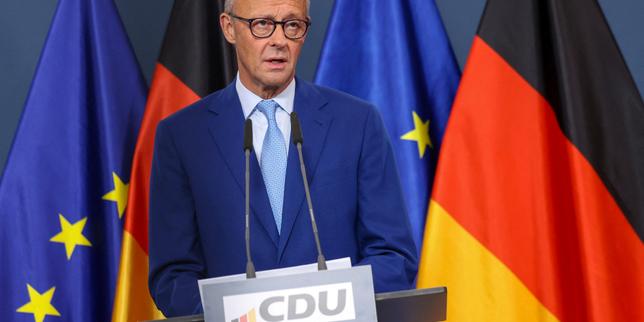
In Germany, Friedrich Merz's CDU suffers historic defeat in Eastern state
For the first time since 1949, the Christian Democratic Union has fallen below the 5% threshold in a regional election, the minimum required to gain seats in the local parliament.

Australian Opposition Defends Fuel Excise Cut Plan Amid Cost-of-Living Debate
Shadow energy minister Dan Tehan says the Coalition's proposed 50% fuel excise reduction when oil exceeds US$100 per barrel is a sensible measure to address cost pressures.

CDU Wins Just 4.9% in Mecklenburg-Western Pomerania, Election Body Says
The state election commission reported a sharp drop in support for Chancellor Friedrich Merz's party in the northeastern German state

United Russia Leads Preliminary Vote Count With Half of Ballots Processed
Russia's Central Election Commission reports early results showing the ruling party ahead, with the Communist Party in second place, according to TASS.
United Russia Leads Duma Election With Over 41% of Vote Counted
Russia's Central Election Commission reports early returns showing the ruling party ahead, followed by four other parties clearing the threshold for seats
Comments
Loading comments…