Astronomers Confirm Youngest Known Planet, Less Than a Million Years Old
NASA-funded data reveal a newborn world still forming within its natal disk of dust and gas, challenging existing planet-formation models.
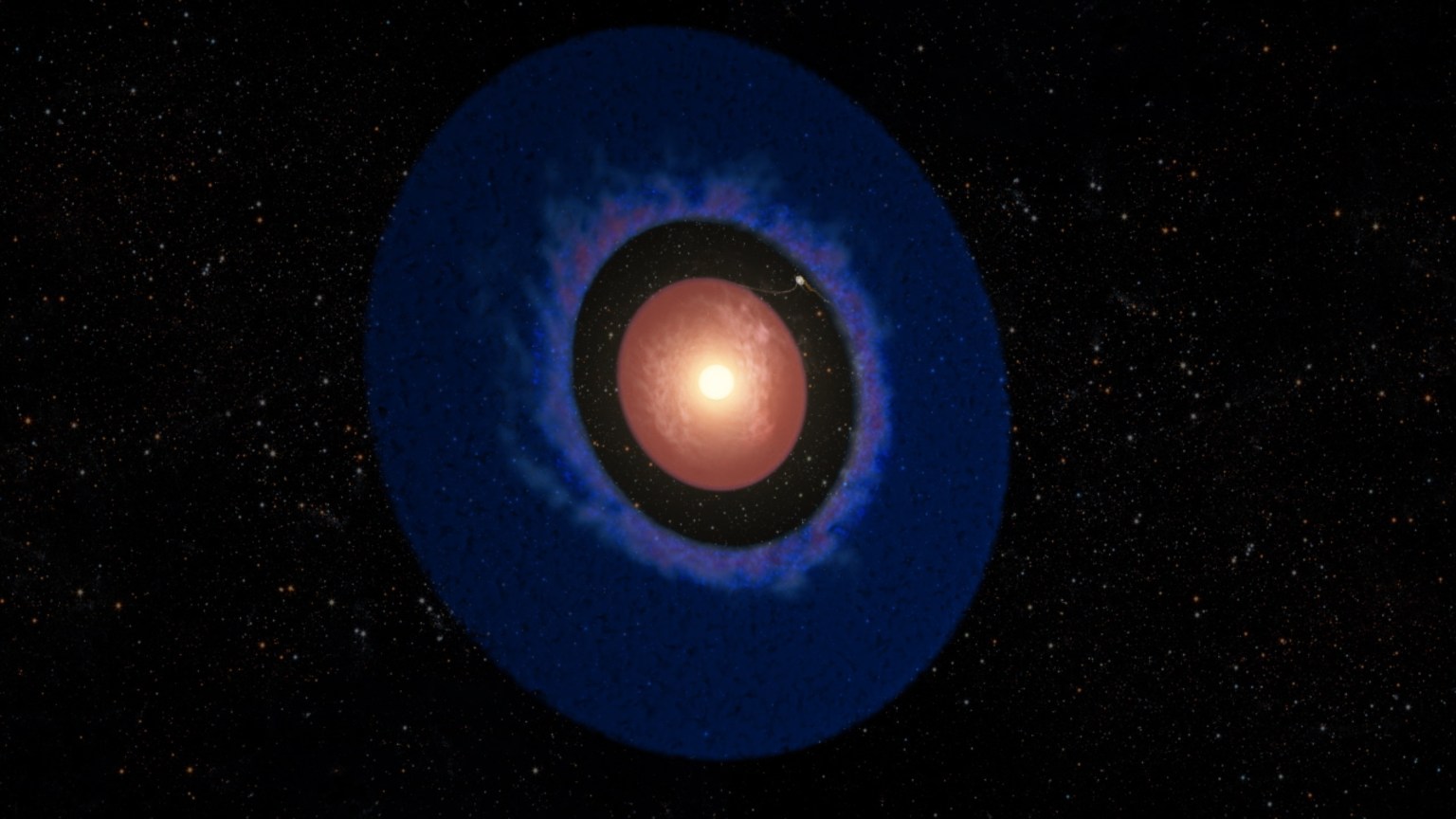
Astronomers have confirmed the existence of a planet less than a million years old, making it the youngest known world discovered to date, according to NASA.
The planet, named Elias 2-24 b, was identified using data from NASA-funded archives, the space agency said. It remains embedded within its natal disk, the swirling collection of dust and gas from which planets and stars are formed.
According to NASA, the discovery challenges current understanding of how planets form. Researchers said existing planet-formation models already struggled to explain the previous record holders for the youngest known planets, suggesting that Elias 2-24 b may require scientists to revisit theories about how quickly planets can form and grow.
NASA did not provide additional details in the announcement regarding the planet's exact age, size, host star, or the specific archival data used to confirm the discovery. The agency described the finding as part of ongoing efforts to understand early planetary formation using observational data.
NASA has not indicated when or where further findings related to Elias 2-24 b might be published.
Sources
- Newfound ‘Baby’ Planet Smashes Record for Youngest Known World — NASA Breaking News
EGazette summarizes reporting from multiple sources; follow the links for the originals.
Related articles
NASA Selects SpaceX to Launch StarBurst Gamma-Ray Detector
The small satellite mission will study neutron star mergers and short gamma-ray bursts, launching on a Falcon 9 rocket from Florida.
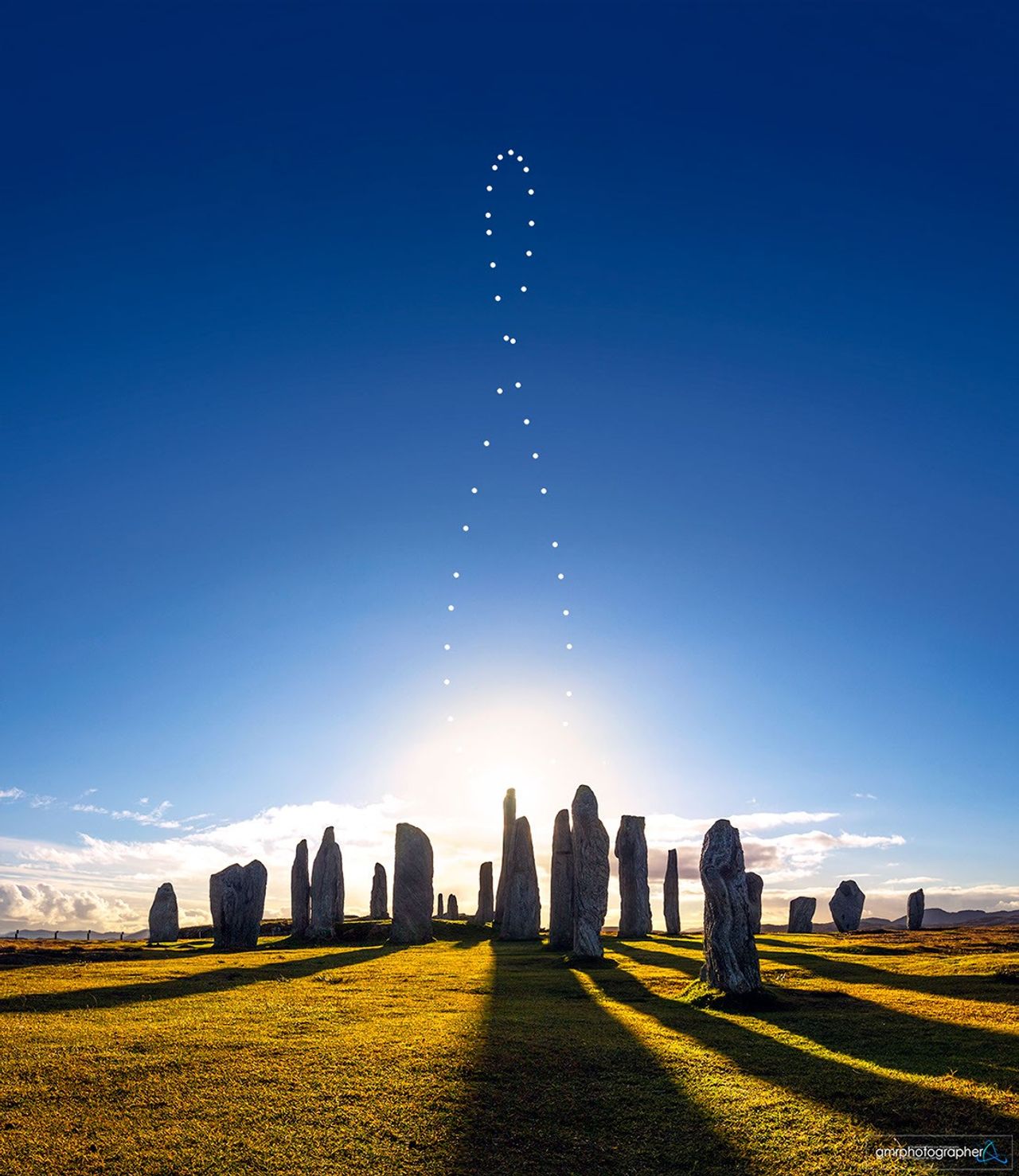
NASA's Astronomy Picture of the Day Features Analemma Over Scotland's Callanish Stones
The September 20, 2026 edition of NASA's long-running APOD series highlights a composite image showing the sun's yearly path above the ancient Callanish Stones.
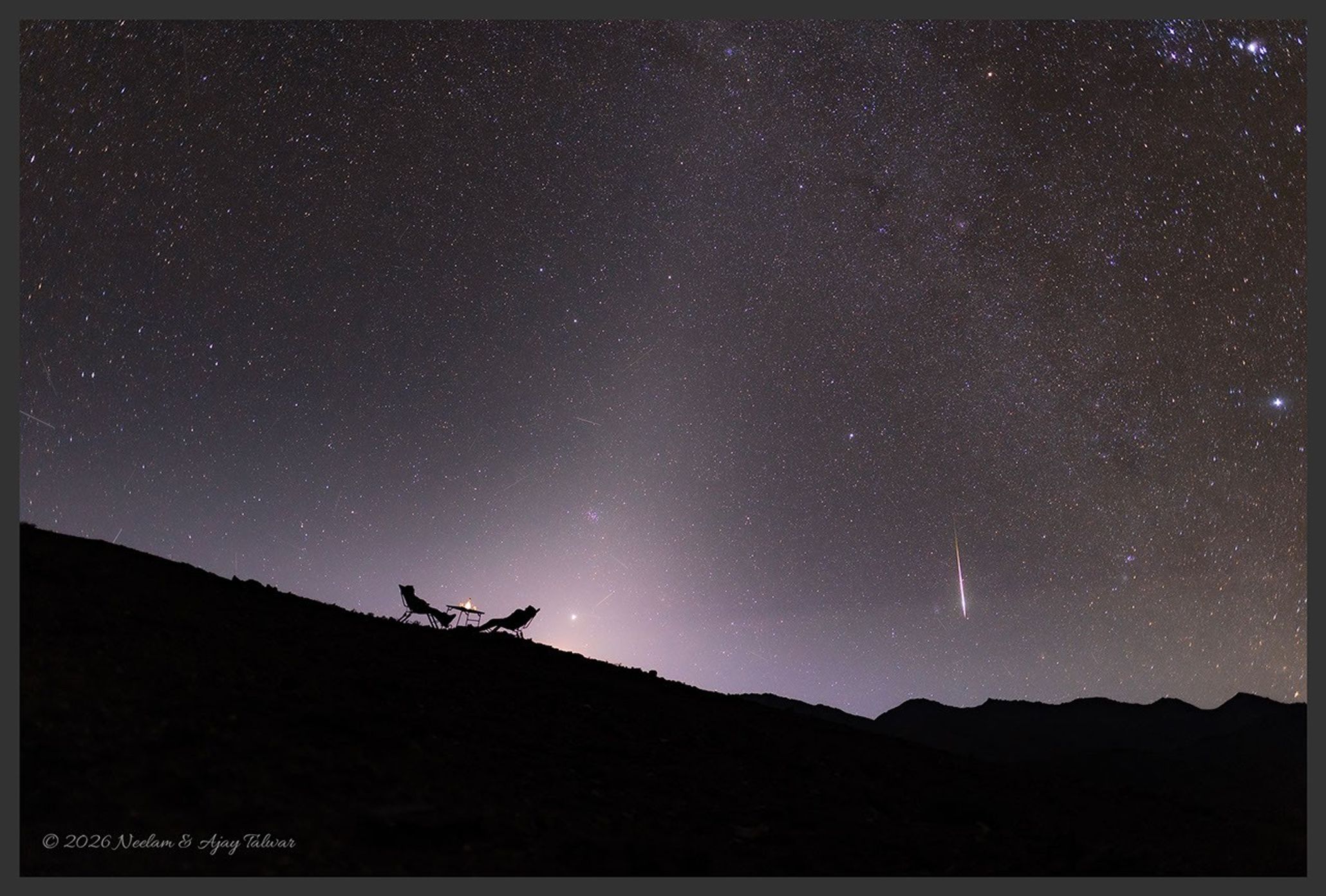
NASA’s Astronomy Picture of the Day to Feature “A Zodiacal Night” on September 19, 2026
The long-running NASA APOD series is set to showcase a night-sky image highlighting the zodiacal light, according to the program’s website.
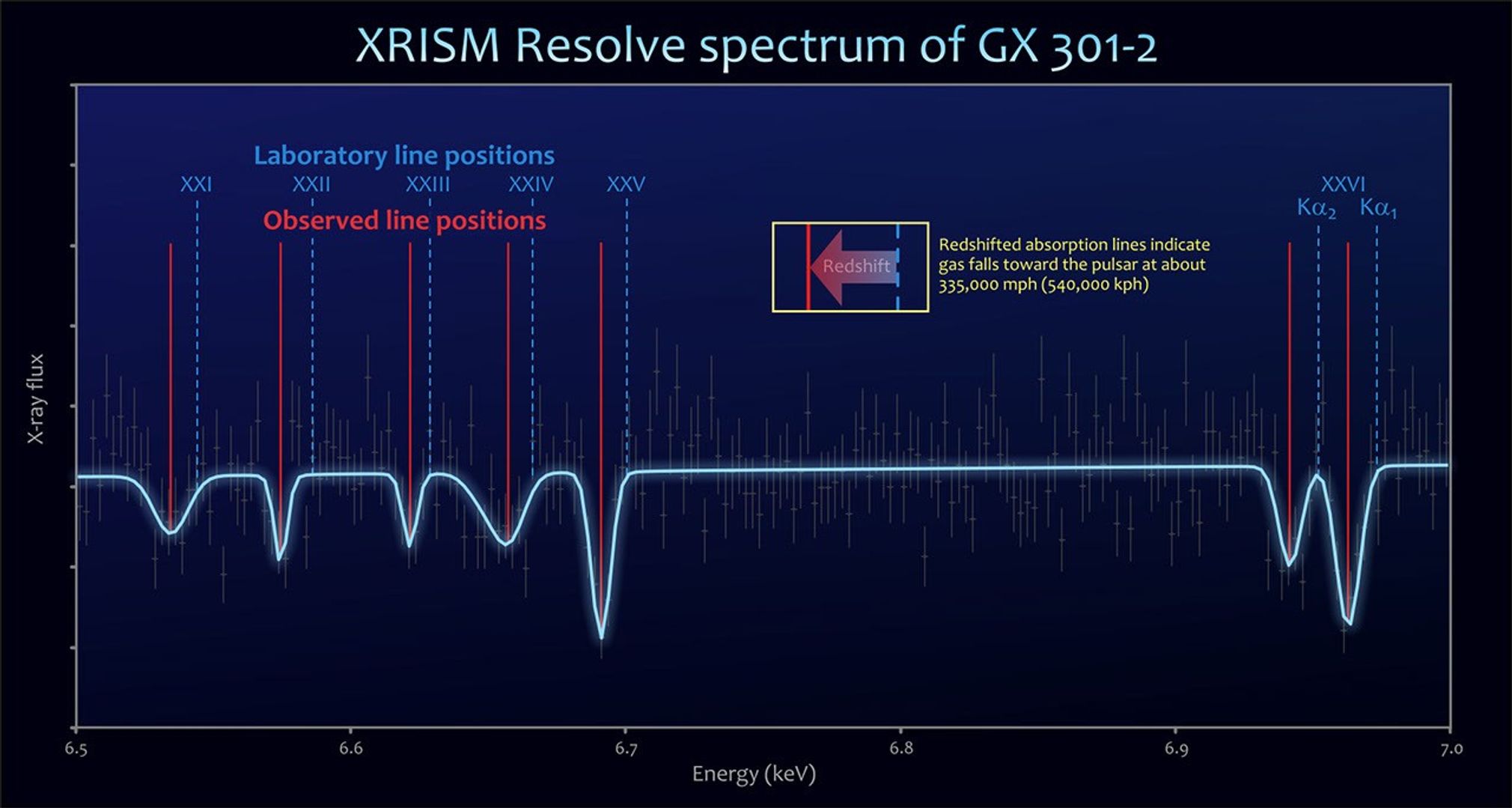
XRISM Mission Observes Pulsar Capturing Stellar Wind From Companion Star
Astronomers using the Japan-led XRISM X-ray observatory say they have directly observed a giant star's outflow being captured by a compact companion, powering intense X-ray flares.
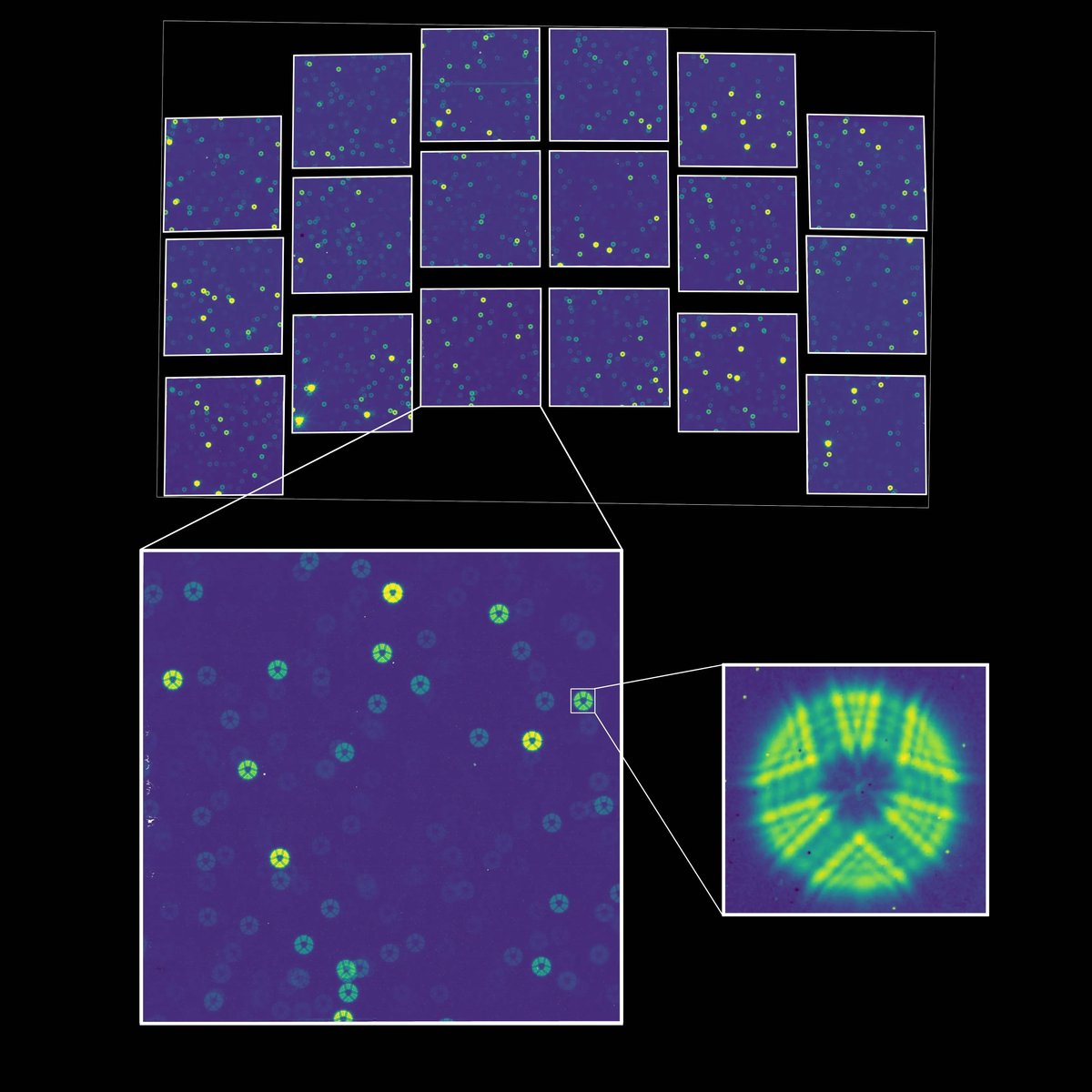
NASA's Nancy Grace Roman Space Telescope Captures First Light
The new observatory, designed to hunt for thousands of exoplanets and probe dark matter and dark energy, has recorded its first cosmic images, according to a report by Scientific American.

Scientific American Traces the Sun's Long Road to Its Eventual Demise
A new feature explores the key stages the sun will pass through before its light finally fades, billions of years from now.
Comments
Loading comments…