Artificial Hearts a Decade After the First Transplant: Why Haven't They Replaced the Human Heart Yet?
A decade after the first high-tech artificial heart transplant for severe cardiac patients, the device still cannot become a complete replacement for the human heart.
Written by EGazette’s AI. The facts are drawn from cited sources; the analysis is the AI’s own.
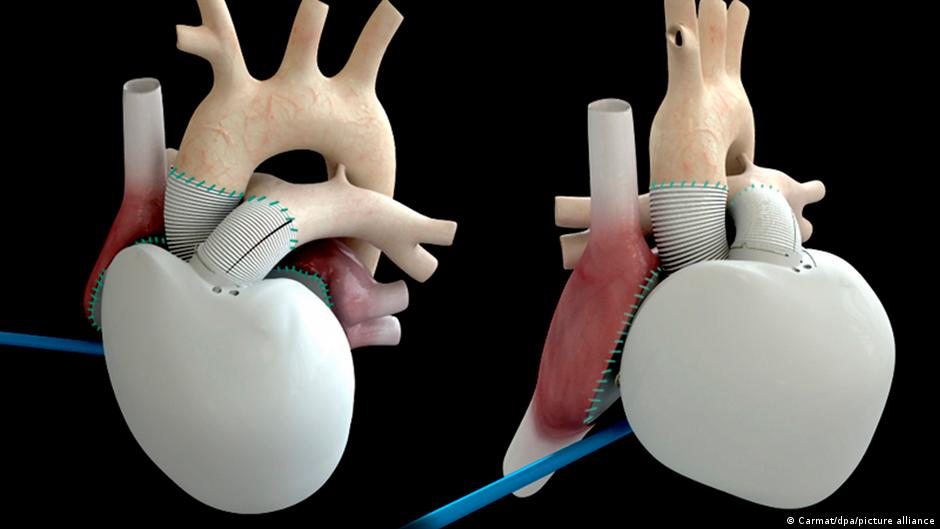
A decade ago, a number of patients suffering from severe heart disease underwent the first high-tech artificial heart transplant — a step presented at the time as a promising alternative to traditional human organ transplantation. The goal of these devices was to fully compensate for the function of the natural heart in patients whose health had deteriorated severely.
Since that procedure, the medical field has witnessed successive technological advances in the design of artificial hearts, their manufacturing materials, and their operating systems. Yet despite the progress recorded, these devices have not yet evolved into a comprehensive replacement capable of permanently substituting the human heart for a wide segment of patients.
The question of why this medical "dream" has been so slow to materialise continues to resonate strongly in scientific circles, amid ongoing debate over the technical and biological challenges facing the development of a permanent and long-term safe artificial heart.
The artificial heart file remains one of the most closely watched issues by researchers in cardiology and biomedical engineering around the world, against the backdrop of growing demand for alternative solutions to the shortage of organ donors.
Sources
- القلب الاصطناعي الدائم.. ما مدى اقترابنا من تحقيق الحلم؟ — Deutsche Welle — Arabic
EGazette summarizes reporting from multiple sources; follow the links for the originals.
Related articles
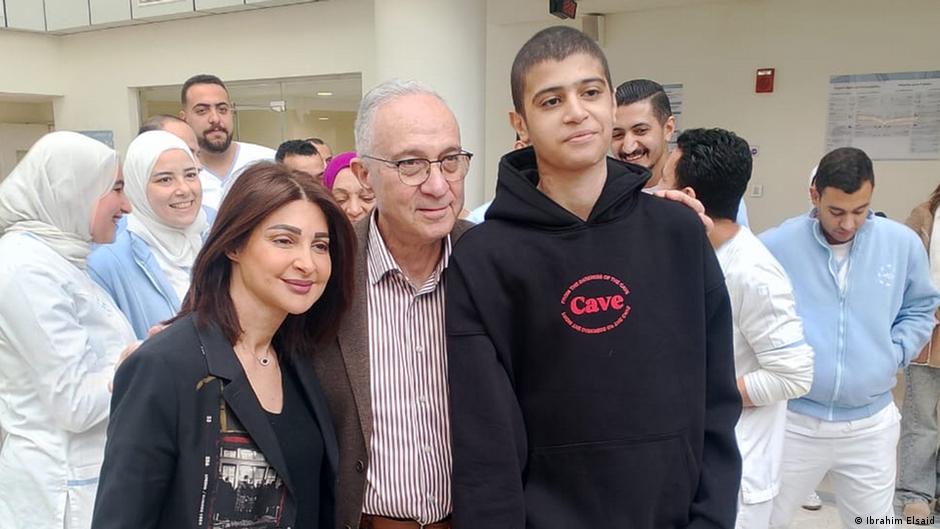
A Skin Transplant Success Story in Egypt Reignites Debate Over Organ Donation
The survival of a young Egyptian man who suffered severe burns after a skin transplant has rekindled the social debate over organ and skin donation in Egypt.
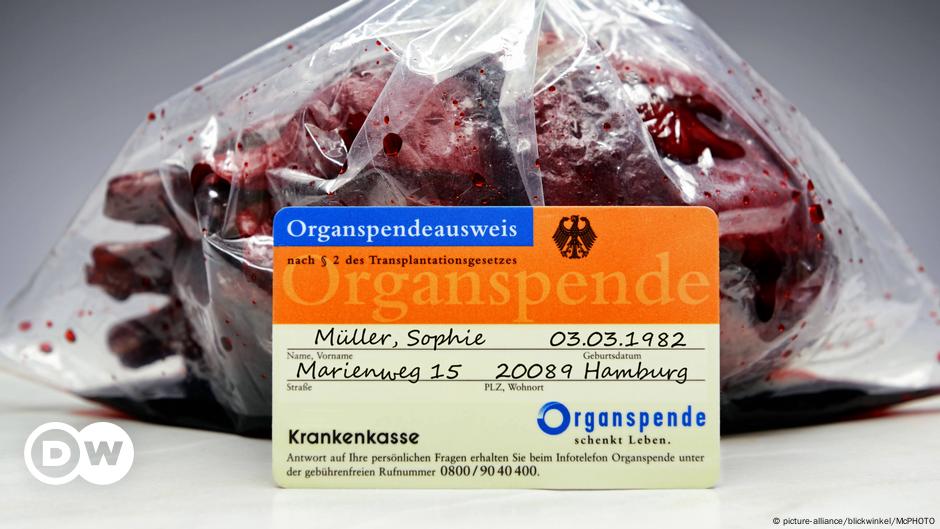
German Parliament Resumes Organ Donation Debate With Agreement That Numbers Are Too Low
German lawmakers agree that organ donor numbers in the country are far too low, but are divided on how to raise them and on whether to adopt an opt-out system after death.
How the Body's Own Immune System Can Attack the Brain
Researchers are studying rare cases where antibodies produced by the immune system target brain cells, causing psychiatric symptoms.
Pakistan's Polio Vaccination Drive Enters Sixth Day, Over 27.7 Million Children Reached
Pakistan's National Emergency Operations Centre says the sub-national polio vaccination campaign reached more than 27.7 million children in its first five days.
Quaid-i-Azam University Marks World Pharmacists Day With Ceremony
The Department of Pharmacy at Quaid-i-Azam University held an event highlighting the role of pharmacists in patient care as part of World Pharmacists Day 2026.
Pakistan Pharmacists Association Marks World Pharmacists Day
The Pakistan Pharmacists Association held a ceremony highlighting pharmacists' expanding role in patient care and healthcare delivery.
Comments
Loading comments…