Syria Turns the Page on Factions After Dissolution of SDF: A Step Toward National Integration
Damascus seeks to close the chapter on armed factions by integrating the SDF into state institutions amid growing international openness and complex internal and regional challenges.
Written by EGazette’s AI. The facts are drawn from cited sources; the analysis is the AI’s own.
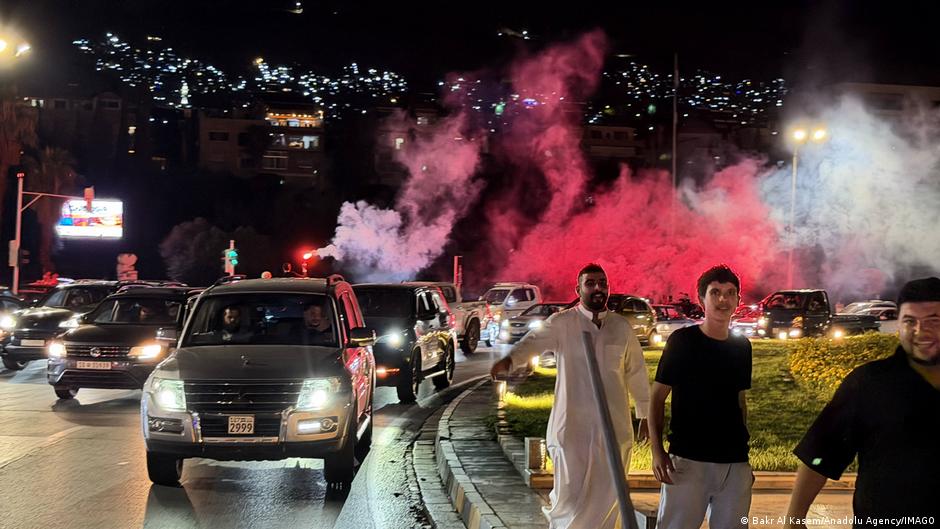
Syria is witnessing a notable political and security transformation with the announcement of the dissolution of the Syrian Democratic Forces (SDF) and the integration of their members into official state institutions, a move that reflects attempts to close the chapter on the era of multiple armed factions that has defined the Syrian landscape for many years.
This development comes at a time when the international scene is showing growing openness toward Damascus, with several regional and international parties seeking to rebuild their relations with the Syrian government, amid a renewed assessment of the transitional phase the country is going through.
Complex Internal Challenges
While the integration of the SDF into state institutions represents an important symbolic step toward unifying security and military efforts under one umbrella, observers note that the road to full stability remains elusive, due to the continued existence of internal divisions among components of Syrian society over the shape of the anticipated state and the distribution of powers within it.
Questions also arise about the mechanisms for integrating former fighters within formal frameworks, and whether this step will include adequate political and administrative guarantees for the communities that the SDF previously represented.
Ongoing Regional Pressures
Alongside internal challenges, Damascus faces complex regional pressures, as the interests of several neighboring countries intersect with the course of Syria's internal settlement, making the political transition process also contingent on broader regional equations that extend beyond Syria's borders.
Analysts believe that the success of this transitional phase will depend largely on the Syrian government's ability to manage this integration in a way that takes internal balances into account, and on the continuation of the international openness whose contours have begun to emerge recently.
Sources
- سوريا تطوي زمن الفصائل.. فماذا بعد حل "قسد"؟ — Deutsche Welle — Arabic
EGazette summarizes reporting from multiple sources; follow the links for the originals.
Comments
Loading comments…
Related articles
Turkey's National Security Council Calls for 'Concrete Steps' Against Israel
Turkey's top security body accused Israel of violating Syria's territorial integrity and urged a return to negotiations amid the wider Israel-Iran confrontation.

Germany: Syrian Arrested for War Crimes, Iraqi Detained on ISIS Membership Charges
German authorities announced the arrest of a Syrian suspect on charges of committing war crimes in 2015, alongside the detention of an Iraqi on charges of ISIS membership.
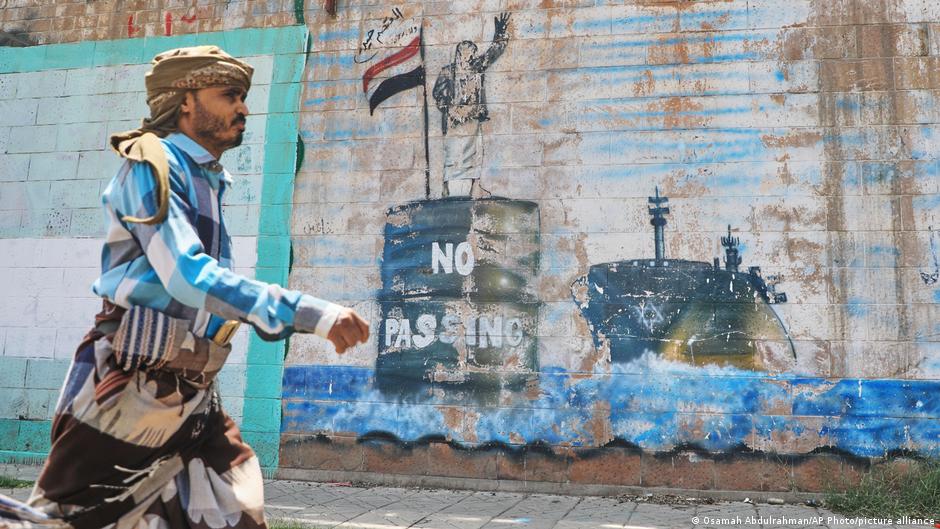
Houthi Pressure on Saudi Arabia Exposes Limited Options for Riyadh
With Washington disengaged and European powers hedging, it remains unclear how Saudi Arabia can defuse the threat posed by the Houthis in neighboring Yemen.
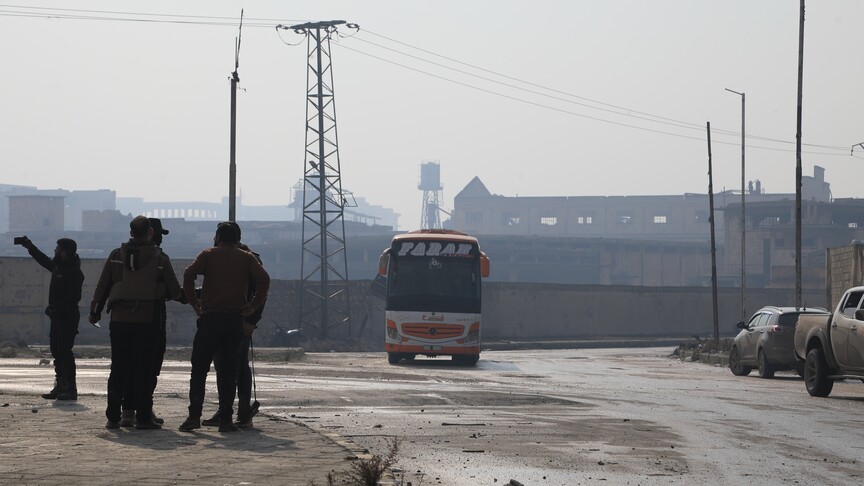
State media reports deaths, injuries after bus attacked in western Syria
Syrian state media said an unidentified group carried out an attack near Masyaf Bridge in the Homs countryside, resulting in casualties.
Local media report massive explosion near Damascus International Airport
Syrian media reported a large explosion near Damascus International Airport on Wednesday night, though full details remain unconfirmed.
Gas Pipeline Explosion Reported Near Damascus in Syria's Eastern Ghouta
A blast was reported near the Tishreen power station in the Damascus countryside, according to Anadolu Agency.