Why are Sudanese scrambling to extract gold despite the high risks?
The economic crisis and declining sources of income are pushing many Sudanese to traditional gold mining for a living (i.e. a livelihood).

A large number of Sudanese are turning to traditional gold mining in light of the worsening economic crisis in the country and the decline in the sources of income available to them, despite the high risks involved in this activity, according to a report by BBC Arabic.
Many gold prospectors see this activity as a relatively quick opportunity to make money in a country whose economy is under great pressure, making it an option that many turn to as a way to secure their daily needs.
Multiple Risks
Traditional gold mining is not without serious risks, including collapses at drilling sites, the use of hazardous chemicals in gold-soil separation, and the absence of occupational safety standards at many irregular mining sites.
Although many workers are aware of the risks surrounding their work, increasing economic pressures are pushing them to continue this activity in search of an alternative source of income in light of the scarcity of other available opportunities.
The report did not specify exactly how much revenue the sector was generating or how many people were working in it nationwide.
Sources
EGazette summarizes reporting from multiple sources; follow the links for the originals.
Related articles
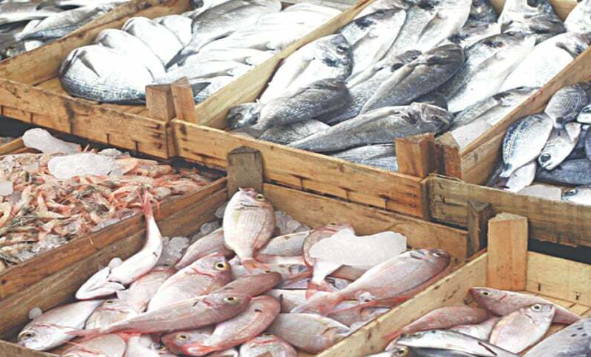
Fish and Meat Exports Grow in First Two Months of Pakistan's FY27
Exports of fish and fish preparations rose 3.23 percent compared with the same period last year, according to official data.
Treasury Yields Little Changed as Oil Prices Swing
U.S. government bond yields held steady early Wednesday even as crude oil prices moved sharply in both directions.
High Diesel Prices Cost the EU an Extra $220 Million a Day, Group Says
An environmental organization says lowering highway speed limits could cut diesel demand by 15 percent.
Russian Flour Exports Expected to Hold Steady at 528,000 Tonnes in 2026
A forecast from the Russian Union of Flour Mills and Cereal Plants projects flour exports will remain near last year's level in 2026.
OECD's Scarpetta Says Italy's Growth More Resilient Than Expected
The organization's chief economist pointed to ongoing reforms as a factor behind Italy's stronger-than-anticipated economic performance.
Russia's Coal Production Forecast to Rise 49% by 2050 to 662 Million Tons
A forecast projects Russian domestic coal supplies climbing from 179 million tons in 2024 to 199.2 million tons by 2030, part of a broader long-term production increase.
Comments
Loading comments…