Data Analysis: Oil Flows Through Strait of Hormuz Reach Half Pre-War Levels
A U.S.-secured maritime corridor has boosted shipments through the strategic waterway, but volumes remain below pre-war levels
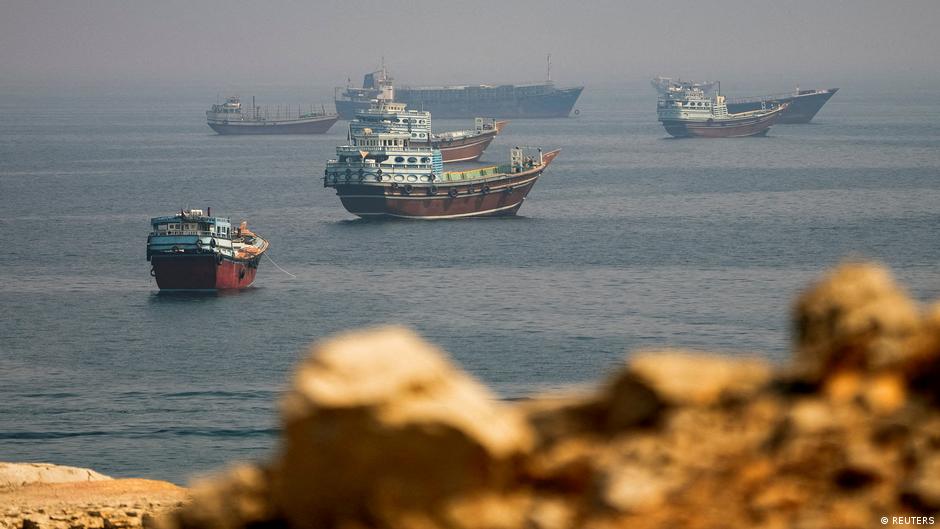
An analysis of specialized data, reported by Deutsche Welle, shows that oil flows through the Strait of Hormuz, a strategic maritime passage, have risen significantly since the establishment of a U.S.-secured maritime corridor, though shipping volumes still remain at roughly half their pre-war levels.
According to the analysis, the maritime corridor placed under U.S. protection has played a role in improving shipping traffic through the strait, which is one of the world's most critical routes for transporting crude oil, with a substantial portion of Gulf oil exports passing through it to global markets.
The analysis does not clarify, according to Deutsche Welle's reporting, the precise reasons preventing flows from returning to their full pre-war levels, at a time when global markets are closely monitoring any developments related to the security of this maritime passage given its direct impact on energy markets and international oil supplies.
The Strait of Hormuz serves as a vital transit point for tankers laden with oil and liquefied gas between the Arabian Gulf and the Arabian Sea, with estimates indicating that a significant share of global crude oil exports passes through it annually, making any disruption to its flows a matter of continuous concern for both investors and governments.
Sources
- تحليل بيانات: تدفقات النفط عبر هرمز تصل لنصف مستوى قبل الحرب — Deutsche Welle — Arabic
EGazette summarizes reporting from multiple sources; follow the links for the originals.
Related articles
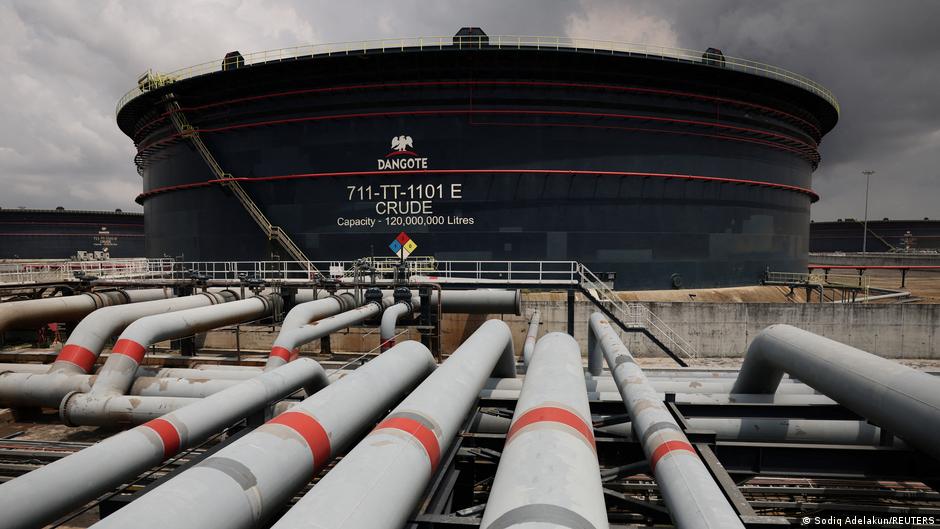
Dangote Refinery's $1.6 Billion Share Offer Seen as Out of Reach for Many Nigerians
Africa's richest man, Aliko Dangote, is seeking $1.6 billion from investors to fund a major expansion of his oil refinery, but analysts say the offer may be unaffordable for ordinary Nigerians.
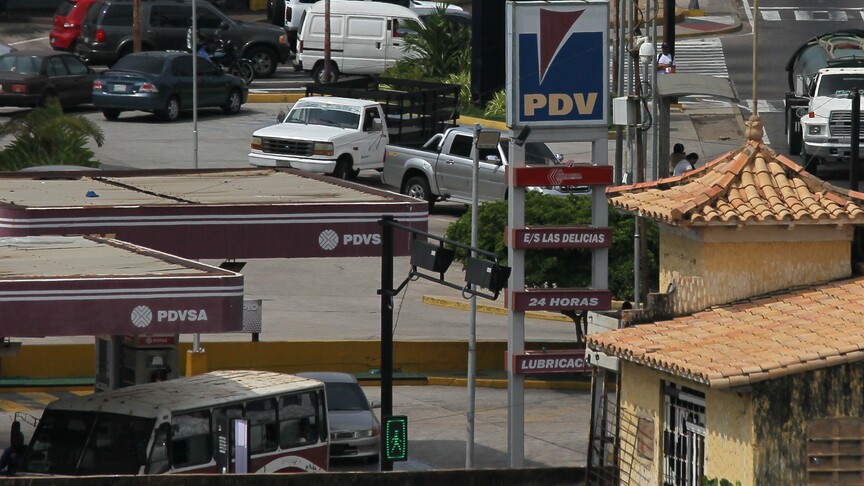
Venezuela's PDVSA Signs Energy Cooperation Deal with TotalEnergies Subsidiary
Acting President Delcy Rodriguez oversaw the signing of an agreement between state oil company PDVSA and TotalEnergies E&P New Ventures in Caracas, according to Anadolu Agency.

Fair Featuring Veteran-Owned Businesses and Craft Producers Held at Carpathian Economic Forum
Event brought together local artisans and businesses run by veterans as part of a wider regional economic gathering

Chiltern Railways becomes sixth train operator to enter UK public ownership
The London Marylebone-to-Birmingham operator is the latest to be nationalised as Labour presses ahead with plans to bring all major passenger rail services under public control by the end of 2027.

Senegal: Sadio Mané launches construction of mango agro-industrial park in Casamance
The Senegalese international footballer laid the foundation stone for a mango processing facility, named SM10 Agro, presented as a project aimed at supporting economic development in his native region.

Bessent, China's He Lifeng Set for Talks on AI, Trade and Critical Minerals
U.S. Treasury Secretary Scott Bessent and Chinese Vice Premier He Lifeng are expected to discuss artificial intelligence, trade and critical minerals, Reuters reported.
Comments
Loading comments…