Political Misinformation: How to Detect Propaganda Behind the News
DW's fact-checking team offers practical guidelines for distinguishing government propaganda from objective news coverage.
Written by EGazette’s AI. The facts are drawn from cited sources; the analysis is the AI’s own.

Politicians around the world resort to methods to influence public thinking and behavior, whether in democratic or authoritarian systems. According to DW's fact-checking team, distinguishing between political propaganda and objective information has become more urgent with the increasing spread of news through the internet and social media platforms.
This summary notes that propaganda does not take a single form but comes in multiple guises, ranging from official speeches to online content, and aims overall to direct public opinion toward a particular position rather than presenting balanced information.
Warning Signs to Watch For
Among the tools fact-checkers use to detect propaganda: tracing the source of news and verifying the identity of the publishing party, comparing the presented narrative with multiple independent sources, and monitoring emotionally charged language designed to provoke fear or anger rather than presenting facts. The team also alerts readers to exercise caution with messages that present a one-sided picture without sufficient context, or that deliberately ignore counter-information.
Fact-checkers also recommend verifying photos and videos accompanying news stories, as old content or material from a different context can be used to support a misleading narrative. It is also advisable to check whether the story is consistent with reports from other trusted media outlets before believing or sharing it.
The team concludes that media literacy and ongoing fact-checking remain among the most important defenses against misinformation, in an increasingly complex media environment where objective news and targeted propaganda are intertwined.
Sources
- الدعاية السياسية.. كيف تكتشف التضليل خلف الأخبار؟ — Deutsche Welle — Arabic
EGazette summarizes reporting from multiple sources; follow the links for the originals.
Comments
Loading comments…
Related articles
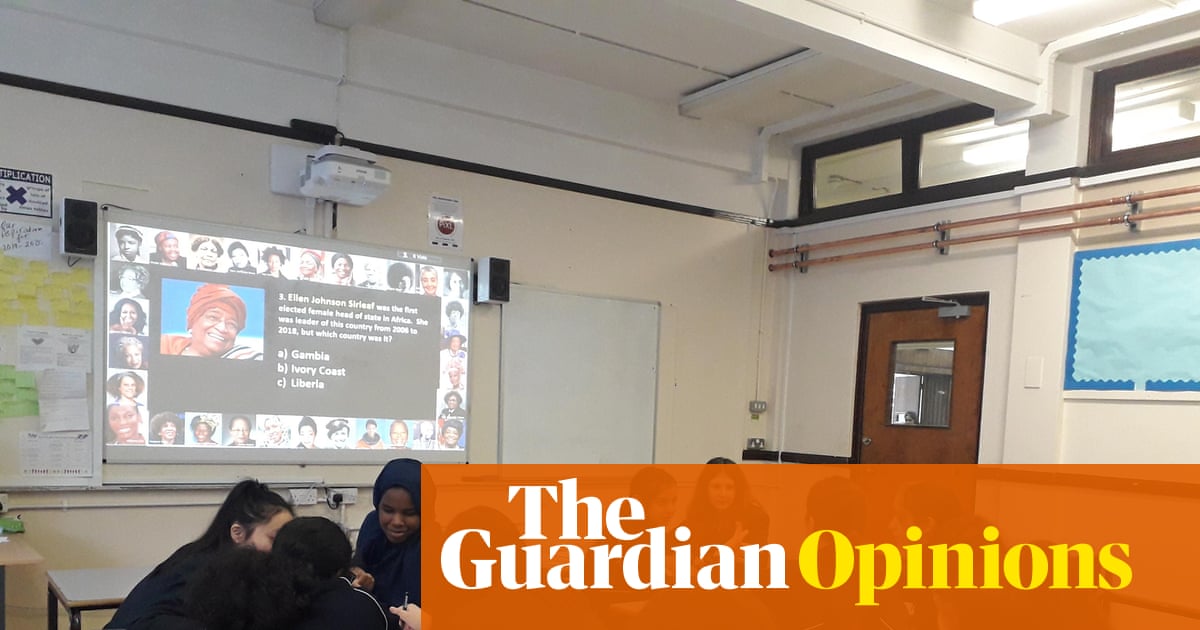
Opinion piece argues teaching Britain's role in the slave trade should not remain optional
Writing in the Guardian, former history teacher Morgan Ofori argues growing evidence of slavery's role in shaping Britain means the subject should be a mandatory part of the curriculum.
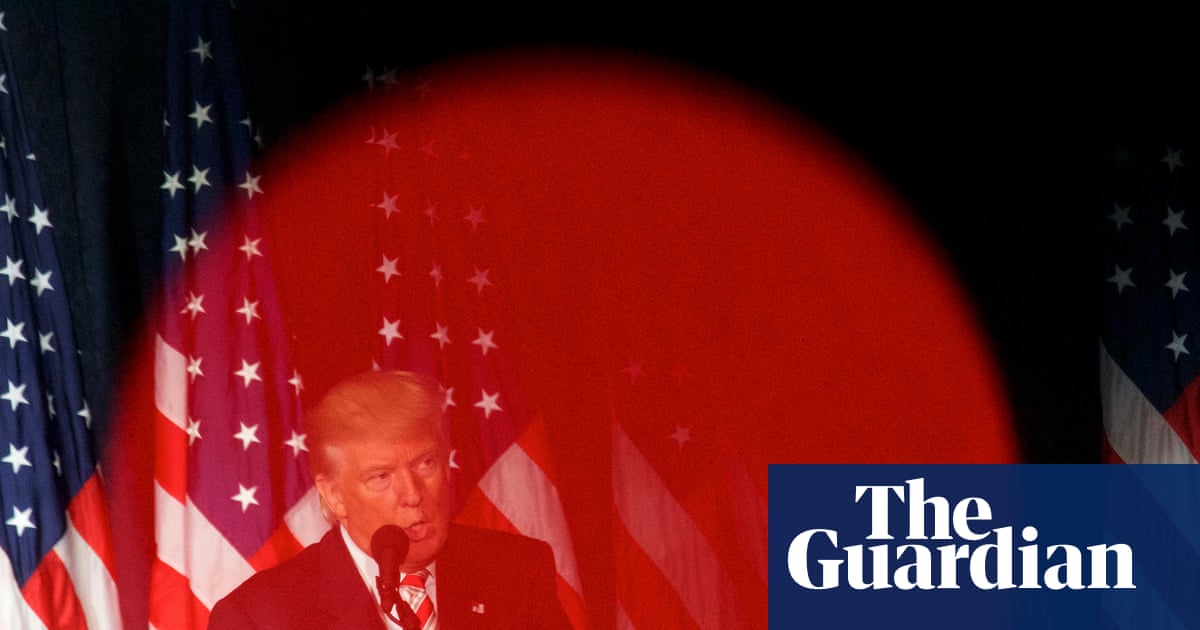
Opinion piece questions Republican anti-communism amid support for Trump's economic interventionism
A Guardian column argues Republican warnings about socialism sit uneasily alongside the party's backing of Donald Trump's state-driven economic moves, as the GOP leans on fears of figures like Zohran Mamdani ahead of the midterms.
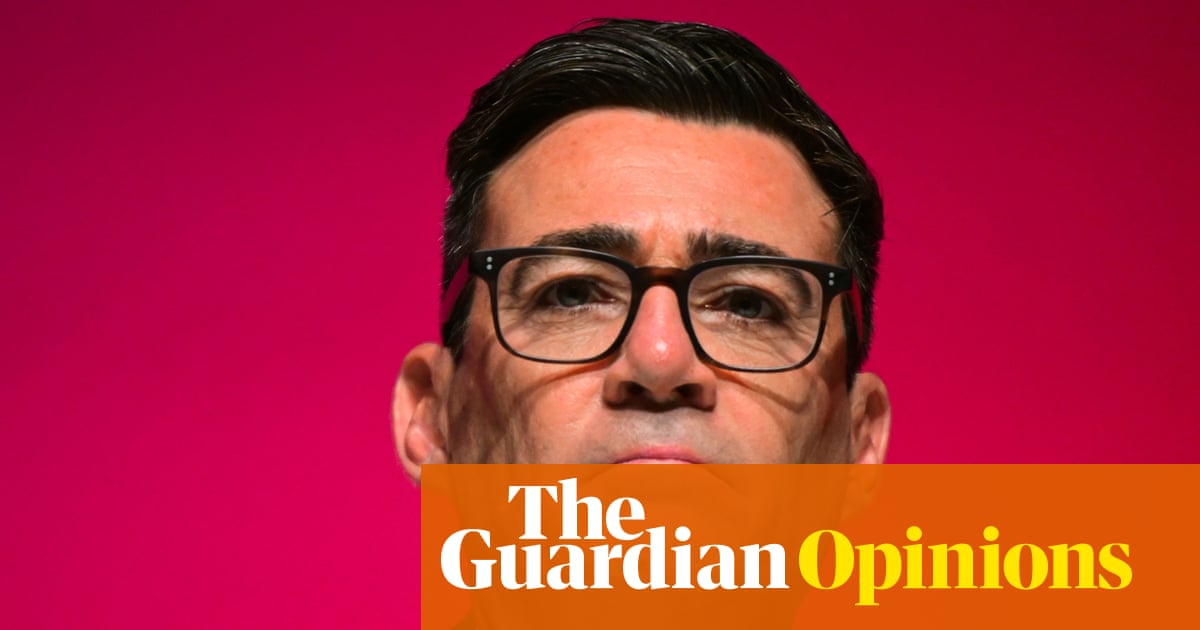
Opinion: Burnham's Social Care Plans Are Welcome, But Must Move Faster
Columnist Heather Stewart argues that Andy Burnham's proposals for social care and its workers are admirable, but families need funding changes now.
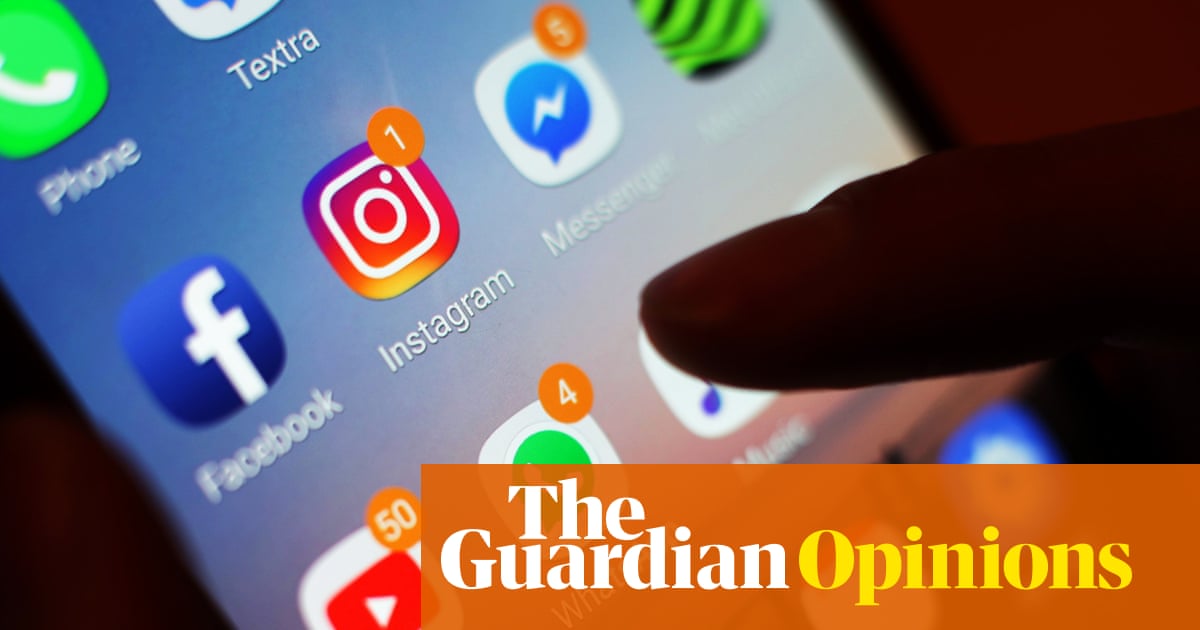
MP Chi Onwurah: smartphone users are paying an 'app tax' due to Apple and Google's duopoly
In an opinion piece, the Labour MP and science committee chair argues UK regulators should use existing powers to challenge the dominance of Apple and Google's app stores.

Opinion: ninety years on, the lessons of the Battle of Cable Street still resonate, writes Sarah Sackman
The Labour MP for Finchley and Golders Green argues that as sectarian forces seek to divide communities, the anti-fascist spirit of 1936 remains a call to unite for security, fairness and tolerance.
Opinion: More regulation is not the best way to improve public services, argues columnist
Writing in The Guardian, Phillip Inman argues that success in public services like the NHS should be measured by customer satisfaction rather than compliance checklists.