Opinion piece argues teaching Britain's role in the slave trade should not remain optional
Writing in the Guardian, former history teacher Morgan Ofori argues growing evidence of slavery's role in shaping Britain means the subject should be a mandatory part of the curriculum.
Written by EGazette’s AI. The facts are drawn from cited sources; the analysis is the AI’s own.
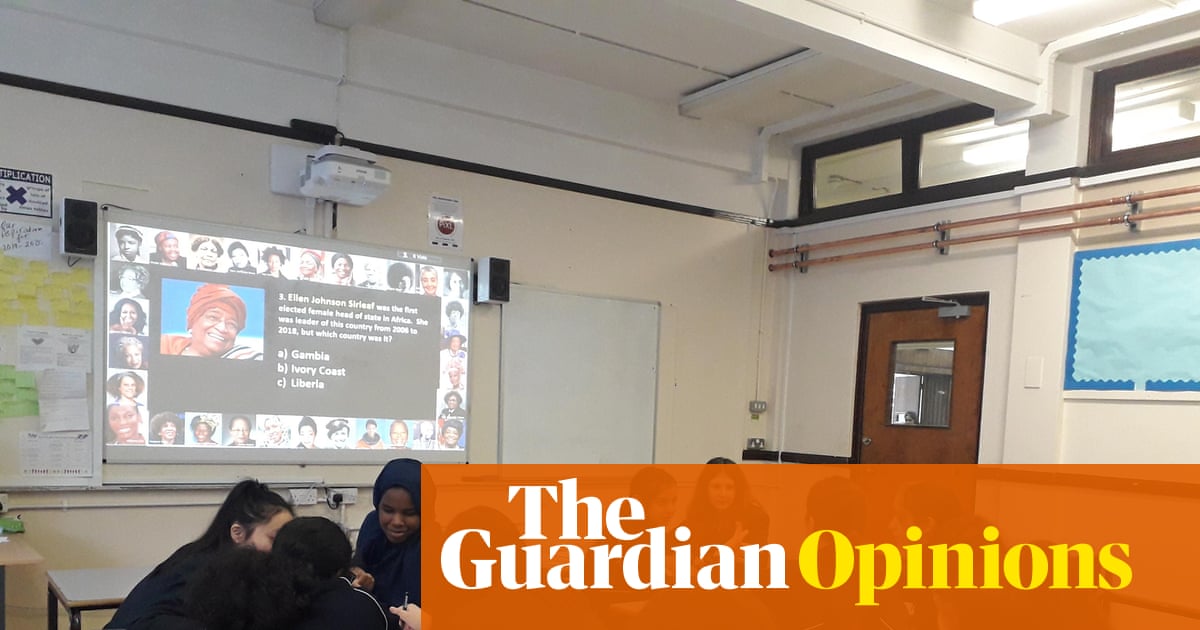
A Guardian opinion column by Morgan Ofori, a former secondary school history teacher, argues that teaching children in England about Britain's historical role in the transatlantic slave trade should no longer be treated as optional within the national curriculum.
The piece notes that history is taught in England from ages five to 14 with the stated aim of building critical thinking and helping pupils understand the world they have inherited. It cites the key stage 3 national curriculum, covering ages 11 to 14, which states that pupils should understand how "Britain has influenced and been influenced by the wider world."
Drawing on her own experience in the classroom, the author reflects on the limits of what she was able to teach about this period of British history, arguing that mounting historical evidence about slavery's role in shaping Britain's economy and society strengthens the case for making this content a required, rather than optional, part of the curriculum.
As an opinion piece, the column presents the author's personal argument and professional experience rather than a straight news report, and reflects an ongoing public debate in England over how the history of slavery and empire should be taught in schools.
The question of curriculum content around Britain's colonial and slave-trade history has been a recurring subject of public and academic debate in recent years, with educators and historians continuing to weigh in on what should be mandatory classroom content.
Sources
- Can teaching schoolchildren about Britain’s role in the transatlantic slave trade remain optional? | Morgan Ofori — The Guardian — Politics
EGazette summarizes reporting from multiple sources; follow the links for the originals.
Comments
Loading comments…
Related articles

French High School in Metz Set Ablaze Amid Nationwide Student Protests
A high school in the French city of Metz went up in flames as student protests over school conditions continue to spread across the country.

Opinion piece questions Republican anti-communism amid support for Trump's economic interventionism
A Guardian column argues Republican warnings about socialism sit uneasily alongside the party's backing of Donald Trump's state-driven economic moves, as the GOP leans on fears of figures like Zohran Mamdani ahead of the midterms.

Opinion: Burnham's Social Care Plans Are Welcome, But Must Move Faster
Columnist Heather Stewart argues that Andy Burnham's proposals for social care and its workers are admirable, but families need funding changes now.

Opinion Piece Highlights Confusion Over 'Hawks' and 'Hawkeyes' at Senate Hearing
An NPR opinion column notes that a Senate hearing this week underscored public confusion between two differently named basketball programs.

Al Jazeera opinion piece argues death penalty cases show a 'double standard'
The piece contends that a troubled execution involving Christa Pike would have drawn far more international outrage had it happened in the Middle East.

Guardian columnist argues the 'girl' prefix trend trivialises ordinary adult life
Elle Hunt writes that labelling everyday activities as a 'girl walk' or 'girl dinner' infantilises women rather than celebrating them.