Can Gut Bacteria Reveal Children's Risk of Developing Diabetes Early?
Studies suggest that changes in the gut microbial community during the early years of life may be linked to a higher likelihood of developing Type 1 diabetes.
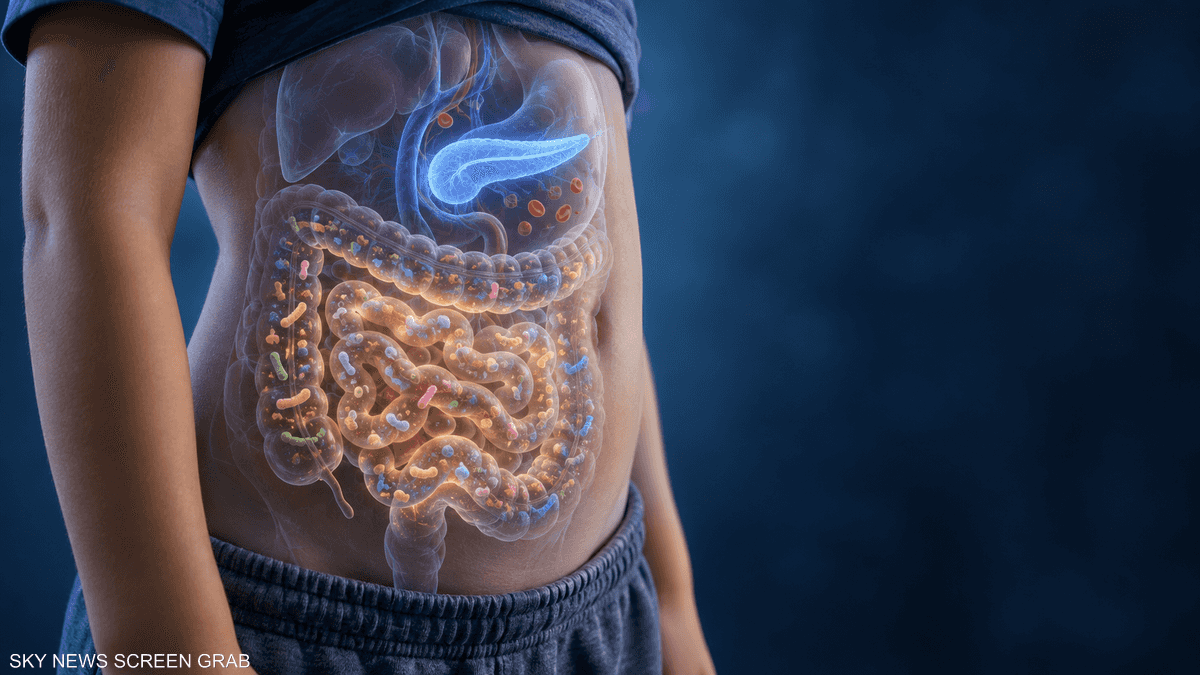
Recent research suggests that the gut of some children may carry, years before any symptoms appear, early signals associated with a higher likelihood of developing Type 1 diabetes, according to a report published by Sky News Arabia.
According to the report, the issue is not about a single specific type of bacteria responsible for this association, but rather about the way the entire gut microbial community changes during a child's early years.
Type 1 diabetes is defined as an autoimmune disease in which the immune system attacks insulin-producing cells in the pancreas, typically appearing during childhood or adolescence. Numerous studies in recent years have focused on the potential relationship between gut microbiome composition and the development of autoimmune diseases.
The report did not provide additional details about the scale of the studies involved or the methodologies used, nor did it indicate whether these findings could currently be used as a practical diagnostic or preventive tool.
Specialists believe that understanding the relationship between the gut microbiome and Type 1 diabetes risk could open the door in the future to early methods of identifying children at greater risk of developing the disease, though such applications are still in their early stages and require further research to confirm their accuracy and clinical utility.
Sources
- هل تنبئ بكتيريا الأمعاء بسكري الأطفال؟ — Sky News Arabia — Technology
EGazette summarizes reporting from multiple sources; follow the links for the originals.
Related articles

FDA advisory panel set to vote on Grail's multi-cancer blood test
An independent panel of experts will decide whether to recommend approval of Grail's Galleri test, which the company says can detect signs of up to 50 types of cancer from a single blood draw.
'Poop maxxing': is the online gut-health trend optimizing or obsessing?
A wellness trend dubbed 'poop maxxing' has people tracking and trying to improve their digestive health, raising the question of where healthy curiosity ends and unhealthy fixation begins.

Scientists race to understand whether football poses brain risks for children
Researchers are investigating the effects of youth football on developing brains, after a study found CTE in a quarter of professional players who died between 2016 and 2021.

Sick Workers Should Phone Their Boss, Not Just Text, Says Back-to-Work Adviser
Sir Charlie Mayfield says employees relying on text messages or email to report sickness are more likely to disengage from work and less likely to return.

Student Nearly Dies After Accidental Paracetamol Overdose
Parents describe the frightening speed of their child's organ failure after an accidental overdose, and are speaking out to raise awareness of the risks.

'Ghost Patient' Policy Wrongly Removing At-Risk People From GP Lists, Doctors Say
An NHS England initiative that shortened the cut-off period for inactive patients is disproportionately affecting the most deprived areas, according to analysis.
Comments
Loading comments…