German Homes That Tell Stories of the Past: Jewish Descendants Return to Trace Their Ancestors' Footsteps
Current German residents meet descendants of Jewish families who fled or were forcibly deported during the Nazi era, in moving journeys of genealogical discovery.
Written by EGazette’s AI. The facts are drawn from cited sources; the analysis is the AI’s own.
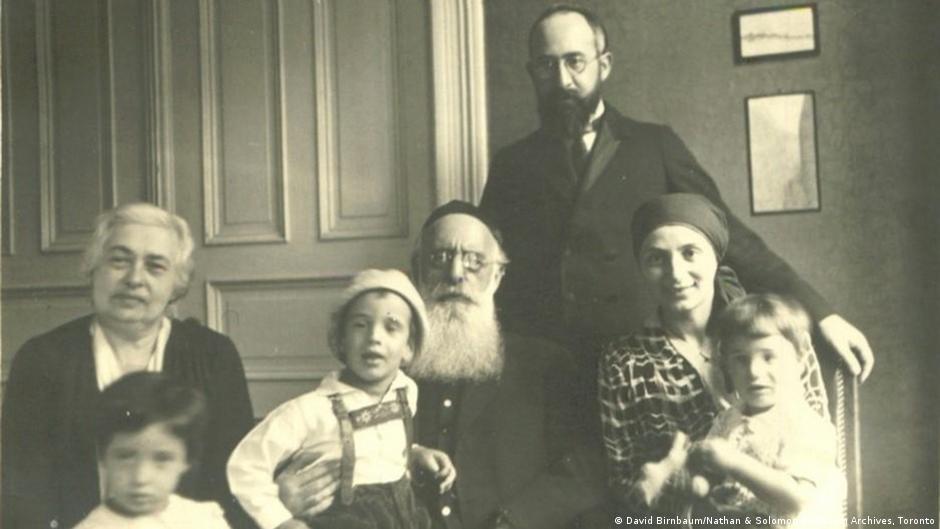
In towns and cities across Germany, current homeowners find themselves confronted by a recurring question: who lived here before them? This question leads many to search property records and local archives, seeking the identity of the families who once inhabited their homes decades ago.
Among these stories, the journeys of descendants of German-Jewish families — forced to flee the country during the Nazi era or later subjected to forced deportation — have become increasingly prominent. These descendants, many of whom now live outside Germany, have begun returning to the towns where their ancestors once lived, searching for any trace that might document that chapter of their family history.
In a number of cases, these journeys have led to direct encounters between descendants and the current residents of homes that once belonged to their ancestors. Those who participated in such meetings describe them as carrying a mixture of emotions: curiosity, grief over what the families lost, but also a sense of connection with a chapter of family history that had long remained unknown.
The current German residents of these homes have expressed, for their part, a desire to learn the history of the places where they live and to assist the descendants in their search — whether by sharing old documents and photographs or by allowing them to visit the homes where their ancestors once lived.
These encounters are part of a broader effort in Germany to document the history of the Jewish community that existed in the country before the Nazi era — a community in which many families were forced to flee, were subjected to forced deportation, or suffered persecution. These individual stories form an important part of the effort to preserve the collective memory of that period, by connecting present generations to the history of the families who once lived in these homes.
Sources
- البيوت تحكي قصصهم.. أحفاد يهود ألمان يعودون للبحث عن أثار أجدادهم — Deutsche Welle — Arabic
EGazette summarizes reporting from multiple sources; follow the links for the originals.
Comments
Loading comments…
Related articles

Taylor Swift Sets New Record for Most MTV VMAs as Madonna Also Wins
Swift took home the award for video of the year on a night that also saw the original 'Queen of Pop' perform, according to BBC.
Celia Birtwell looks back on fashion partnership with Ossie Clark ahead of new exhibition
A new show revisits the fabrics and designs that made Birtwell and Clark London's most fashionable couple of the 1960s and 70s.

Madonna, Taylor Swift and LISA among top winners at MTV VMAs
Taylor Swift, Madonna and LISA were among the leading winners at Sunday evening's MTV Video Music Awards in downtown Los Angeles.

Ceremony held at University of Tehran to mark Iran's flag
A ceremony took place at the University of Tehran on September 27 to commemorate Iran's national flag, attended by the minister of science.

Documentary Kikuyu Land examines colonial legacy behind Kenya's tea industry
A new documentary traces the impact of colonial and corporate agricultural development on Kenya's Kikuyu community, whose land and labour underpinned the country's tea industry.

Obama's new podcast series with Higher Ground features Tom Hanks as first guest
Barack Obama's six-part audio series about books that inspired him launches with a conversation with Tom Hanks about parenting and family.