Apollo Flags Rising Cost of Insuring Data-Center Debt as Warning Sign
Credit default swap prices tied to hyperscale data-center builders are climbing, a shift Apollo says points to growing investor caution rather than routine bank hedging.

Credit default swaps (CDS) linked to companies building large-scale data centers have become more expensive in recent trading, according to a report by CNBC citing commentary from Apollo Global Management.
CDS are financial instruments that function like insurance against a borrower defaulting on its debt. A rise in their price typically signals that market participants perceive a higher risk of default or are demanding greater compensation for holding that risk.
According to the report, the increase in CDS pricing for so-called hyperscalers — companies that operate massive data-center infrastructure to support cloud computing and artificial intelligence workloads — is not being driven by banks increasing their hedging activity, as might normally be assumed.
Apollo characterized the trend as a cautionary signal, according to CNBC, though the report did not detail the specific companies, dollar amounts, or timeframes involved in the pricing shifts.
The development comes amid broader industry scrutiny of the heavy borrowing undertaken by technology firms to finance the rapid expansion of data-center capacity needed to support artificial intelligence services.
CNBC's report did not specify further details on the scale of the debt in question or provide additional context from other market participants on the CDS movements.
Sources
- Hyperscaler debt signals warning sign, Apollo cautions — CNBC — Top News
EGazette summarizes reporting from multiple sources; follow the links for the originals.
Related articles

AI Boom Could Push Belgium's Data Center Power Demand Up Eightfold by 2034
Belgium's 47 large data centers currently consume 3.2 TWh annually, but demand is projected to surge to 27.3 TWh within a decade, according to Anadolu Agency.
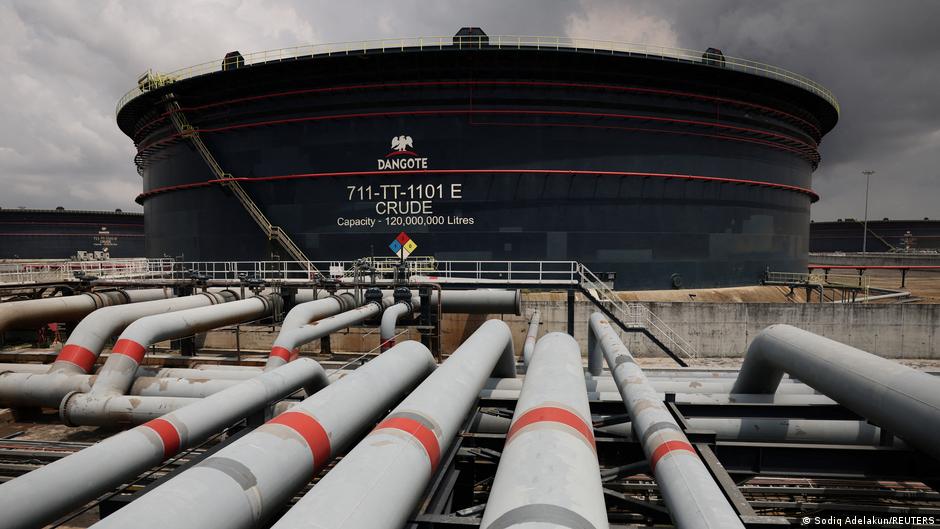
Dangote Refinery's $1.6 Billion Share Offer Seen as Out of Reach for Many Nigerians
Africa's richest man, Aliko Dangote, is seeking $1.6 billion from investors to fund a major expansion of his oil refinery, but analysts say the offer may be unaffordable for ordinary Nigerians.

Venezuela's PDVSA Signs Energy Cooperation Deal with TotalEnergies Subsidiary
Acting President Delcy Rodriguez oversaw the signing of an agreement between state oil company PDVSA and TotalEnergies E&P New Ventures in Caracas, according to Anadolu Agency.

Fair Featuring Veteran-Owned Businesses and Craft Producers Held at Carpathian Economic Forum
Event brought together local artisans and businesses run by veterans as part of a wider regional economic gathering

Japanese agencies help employees quit without telling their boss directly
New intermediary services in Japan enable workers to end their employment in less than 15 minutes without having to face their managers directly.
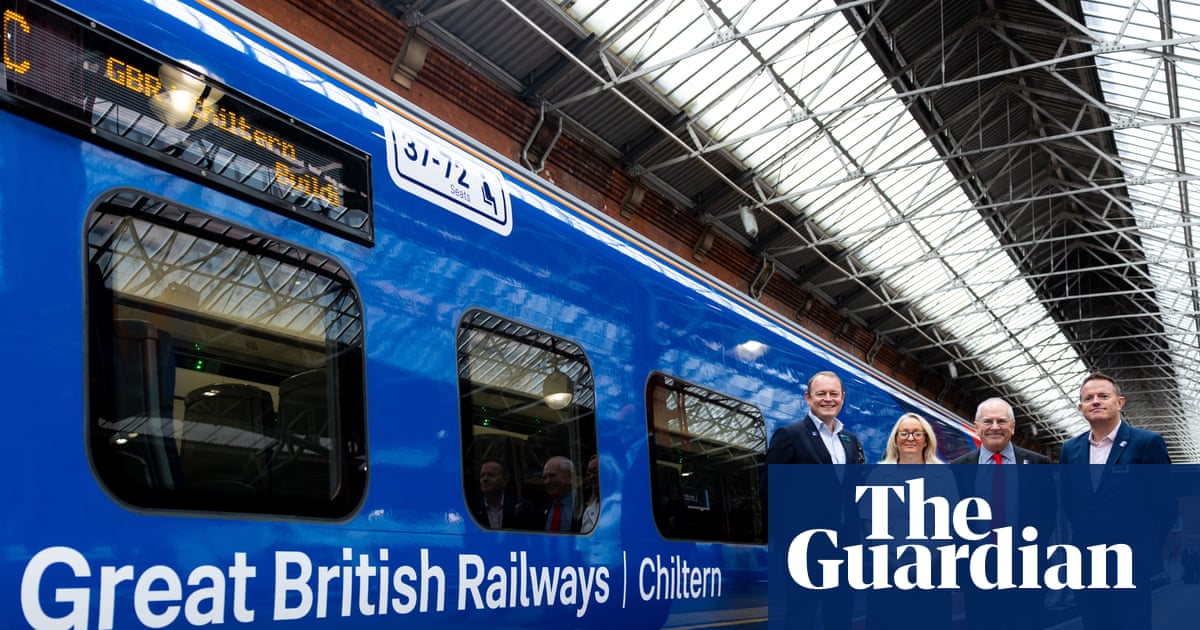
Chiltern Railways becomes sixth train operator to enter UK public ownership
The London Marylebone-to-Birmingham operator is the latest to be nationalised as Labour presses ahead with plans to bring all major passenger rail services under public control by the end of 2027.
Comments
Loading comments…