AI could not defeat humanity with an engineered virus on theory alone, scientist says
A Russian virology professor argues AI systems cannot experimentally verify their own biological theories and calculations, according to TASS.
Written by EGazette’s AI. The facts are drawn from cited sources; the analysis is the AI’s own.
Artificial intelligence would not be able to defeat humans using a deadly virus based on theoretical calculations alone, according to Nikolay Nikitin, Doctor of Biological Sciences and a professor at Lomonosov Moscow State University's Department of Virology, as reported by TASS.
Nikitin's central argument, as relayed by TASS, is that AI systems lack the ability to experimentally verify their own theories and calculations, a step he considers essential in biological research such as virus design. In his view, theoretical modeling alone is not sufficient to translate an AI-generated concept into a functioning, dangerous pathogen.
The comments come amid broader public and scientific debate over the potential risks posed by advanced AI systems, including concerns raised by some researchers internationally that AI tools could, in theory, assist in designing novel pathogens. Nikitin's remarks, as reported by TASS, push back against the more alarmist end of that debate specifically with respect to the creation of an effective, deadly virus.
TASS's report does not specify the context in which Nikitin made his comments, such as whether they were delivered at a conference, in an interview, or as part of a published paper, nor does it detail what particular AI capabilities or claims he was responding to.
The debate over AI and biosecurity risks has drawn increasing attention from scientists, policymakers and AI developers in recent years, with various perspectives on how significant the threat of AI-assisted bioweapon design actually is, given the practical laboratory verification steps that experts like Nikitin say remain necessary regardless of computational advances.
Sources
- AI will not defeat humans with deadly virus as theory alone is not enough — scientist — TASS (Russia)
EGazette summarizes reporting from multiple sources; follow the links for the originals.
Comments
Loading comments…
Related articles

Expert says US sanctions increasingly target Russia's transnational companies
Analyst Fyodor Voitolovsky says growing international expansion by Russian firms, alongside Indian companies, is drawing greater attention from US sanctions policy.

Volodin becomes first State Duma speaker to serve more than two terms
Vyacheslav Volodin was nominated for the position by the United Russia faction.

Japan court rules voice rights protected in AI cloning case
The Tokyo District Court issued its ruling in a lawsuit filed by voice actor Kenjiro Tsuda over unauthorized AI use of his voice.
Russian mass strikes cause damage across Ukraine's energy sector, official says
Overnight attacks on September 29-30 struck energy facilities in Kyiv, the Kyiv region and other parts of Ukraine.
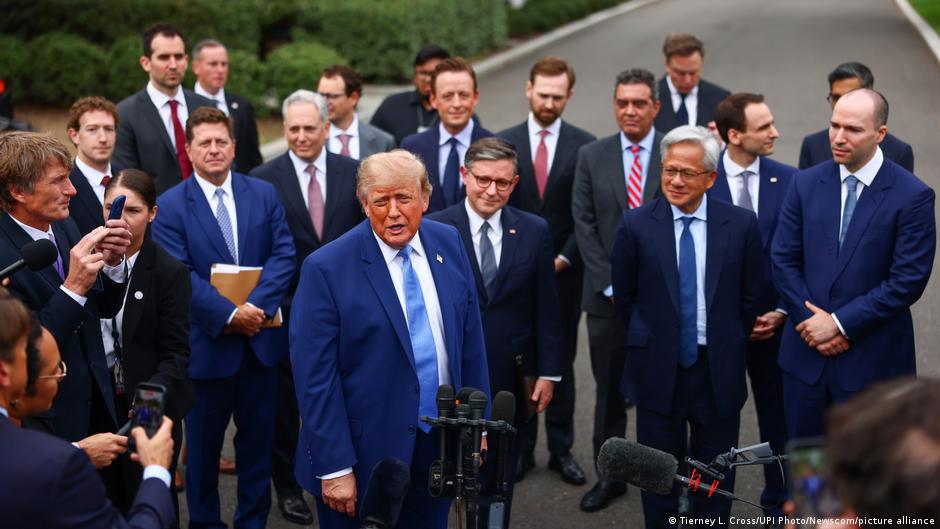
Trump announces ethics agreement with AI companies at White House
The US president unveiled a voluntary ethical framework with leading artificial intelligence firms as calls grow for binding regulation of the industry.
AI firms bid for data from bankrupt companies, including Spirit Airlines' passenger records
Google and startup Micro1 are among bidders seeking bankrupt firms' data sets for AI training, according to Anadolu Agency.