Expert says US sanctions increasingly target Russia's transnational companies
Analyst Fyodor Voitolovsky says growing international expansion by Russian firms, alongside Indian companies, is drawing greater attention from US sanctions policy.
Written by EGazette’s AI. The facts are drawn from cited sources; the analysis is the AI’s own.

US sanctions are increasingly targeting the growing transnational reach of Russia's economy, according to Russian expert Fyodor Voitolovsky, as cited by state news agency TASS.
Voitolovsky noted that investment by Indian companies expanding their international operations is growing, while a number of Russian companies have similarly become more transnational in scope, a trend he suggested is drawing increased attention from US sanctions policy.
The comments point to a broader pattern in which Russian firms have sought to expand their international footprint despite years of Western sanctions imposed in response to Russia's actions in Ukraine, with sanctions authorities adapting their focus to address companies operating across multiple jurisdictions.
According to the analysis, the growing transnational character of some Russian companies presents both a challenge and a target for sanctions regimes, as firms with international operations can be harder to isolate but also become subject to secondary sanctions risk in the countries where they operate.
The reference to Indian companies suggests a broader comparison being drawn between the internationalization strategies of firms from different countries, with Voitolovsky's comments framing Russian corporate expansion as part of a wider global trend rather than an isolated phenomenon.
TASS did not provide additional detail on which specific Russian companies or sectors have been most affected by the sanctions measures referenced, nor on the timeline for any recent expansion of the sanctions regime targeting transnational firms.
The comments come as Western governments continue to refine sanctions targeting Russia's economy, seeking to close gaps that allow sanctioned entities to operate through international corporate structures.
Sources
EGazette summarizes reporting from multiple sources; follow the links for the originals.
Comments
Loading comments…
Related articles
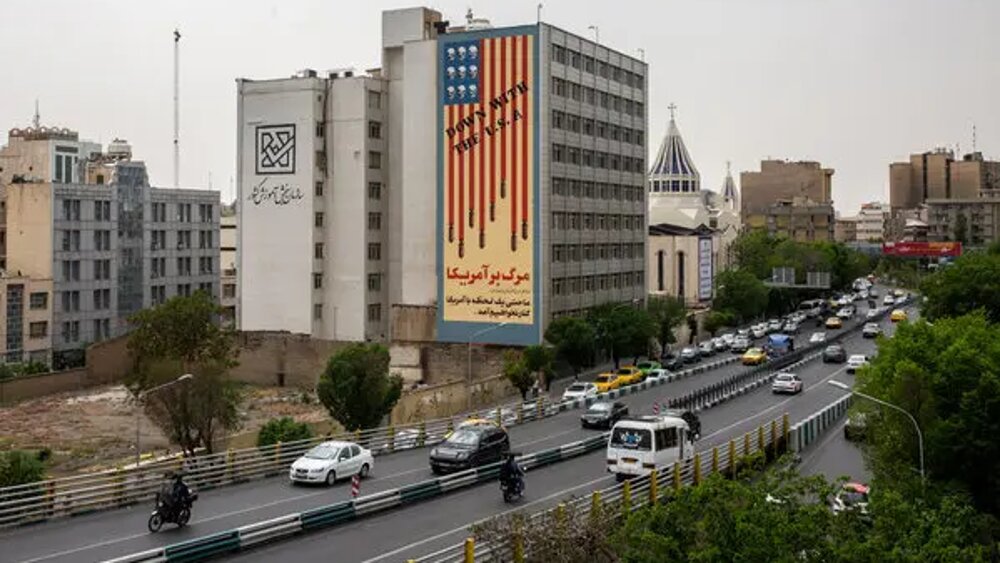
Iran says latest US economic campaign against its trade has failed
Iran's deputy economy minister said Tehran has managed to keep foreign trade flowing despite Washington's latest campaign targeting Iranian commerce, describing the effort as unsuccessful.
Missile Alerts Cost Ukraine $45 Million for Every Hour They Halt Business
Ukraine's economy minister cited the figure as Kyiv weighs trade-offs in keeping normal life moving under intensifying Russian strikes.
US Sanctions on Iran's Aviation Sector Raise Safety and Humanitarian Concerns, Tehran Says
Iranian officials and state media argue that sanctions on the country's civil aviation industry endanger passenger safety and disrupt travel for medical, educational and family purposes.
Russian State Media Cites Group Saying Europeans Seek Information on Russia Despite 'Media Blockades'
A representative of an organization called GFCN told Russia's TASS that finding accurate information about Russia remains difficult for Europeans amid what she described as restrictions on Russian media.
Turkiye's foreign trade deficit narrows month-on-month in August
The export-to-import coverage ratio rose to 81.7% in August, signaling an improving trade balance.
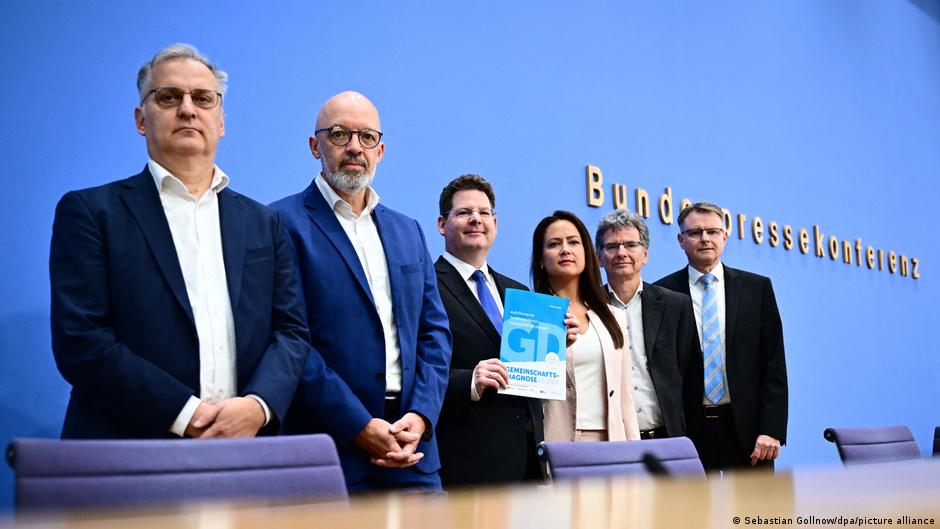
Germany's Economy Returns to Growth, but Analysts Warn Foundations Remain Fragile
Renewed growth in the German economy is being propped up largely by high government spending, even as energy costs, debt and labor shortages weigh on the outlook.