AI agents face a new hurdle: getting websites to let them in
As personal AI agents promise to shop, book flights and make reservations on users' behalf, anti-bot defenses are increasingly blocking them, prompting work on a new standard to let legitimate agents through.
Written by EGazette’s AI. The facts are drawn from cited sources; the analysis is the AI’s own.

Personal AI agents designed to shop, book flights and make reservations on behalf of users are running into a persistent obstacle: many websites are not built to let them in, and often block them outright through anti-bot defenses.
The promise of these agents is straightforward. Rather than a person manually navigating a retailer's or airline's website, an AI agent handles the process autonomously, following instructions to complete tasks like finding deals or securing bookings. But websites frequently cannot distinguish between a legitimate AI agent acting on a real user's behalf and an automated bot attempting something harmful, such as scraping data or abusing a service.
Consumers caught in the middle
That ambiguity leaves everyday users stuck between the two outcomes: either the website blocks their AI agent as a precaution, defeating the purpose of using the agent, or sites remain exposed to the kinds of automated abuse that anti-bot defenses were designed to stop in the first place.
Deliberate blocks against automated traffic, often implemented to protect against fraud, scraping or denial-of-service activity, were generally built before the recent wave of consumer AI agents existed, meaning many of today's defenses were not designed with legitimate agent traffic in mind.
A new standard is being developed to address the problem, aiming to give websites a reliable way to recognize and permit legitimate AI agents while continuing to block harmful automated traffic. The approach reflects a broader industry effort to adapt web infrastructure to a growing category of software acting directly on behalf of individual users rather than browsing on a human's own input.
Sources
EGazette summarizes reporting from multiple sources; follow the links for the originals.
Comments
Loading comments…
Related articles

What Is a Supercomputer For, and Who Gets to Use One?
A look at what supercomputers actually do, how they work, and who has access to their computing power.

Early Impressions of Google's New 'Googlebook' Laptops: Promising but Unfinished
The first Android-based Googlebook laptops went on sale this week, and initial testing suggests the devices show promise but still have rough edges.

Meta May Abandon Cloud Business Plans in Favor of Muse, Report Suggests
A report suggests Meta could forgo building out a standalone cloud computing business as it focuses on its Muse initiative.

Finland Orders Halt to Construction on Two Planned Google Data Centers
The order follows concerns over forest clearance associated with the projects.
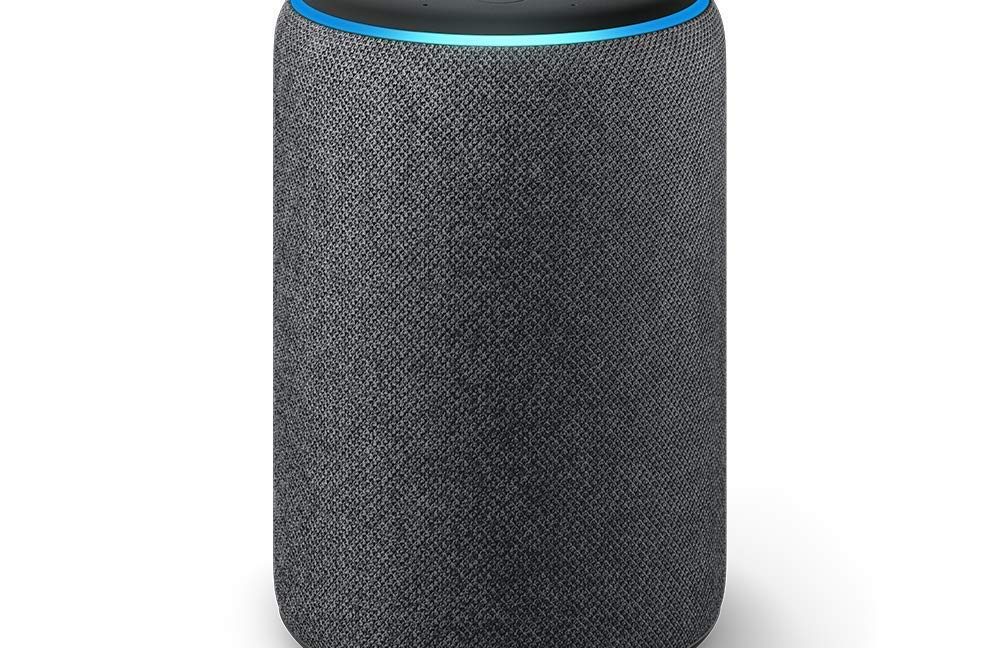
Amazon removes Alexa's ability to control Echo speakers' AUX input
The change affects a feature Amazon had not updated on new Echo devices in roughly six years.

Anker's 100W universal charger discounted to $64 during October Prime Day
The travel-focused adapter supports outlets in more than 200 countries and regions.